Food in Iwate reflects the prefecture’s vast geography. With mountains, plains, and coastline stretching across a wide area, there is no single “Iwate cuisine.” Instead, food here changes subtly from place to place, shaped by local ingredients, climate, and daily routines.
To eat in Iwate is to experience diversity without excess—meals that are practical, grounded, and deeply connected to the land.
A Prefecture of Many Tables
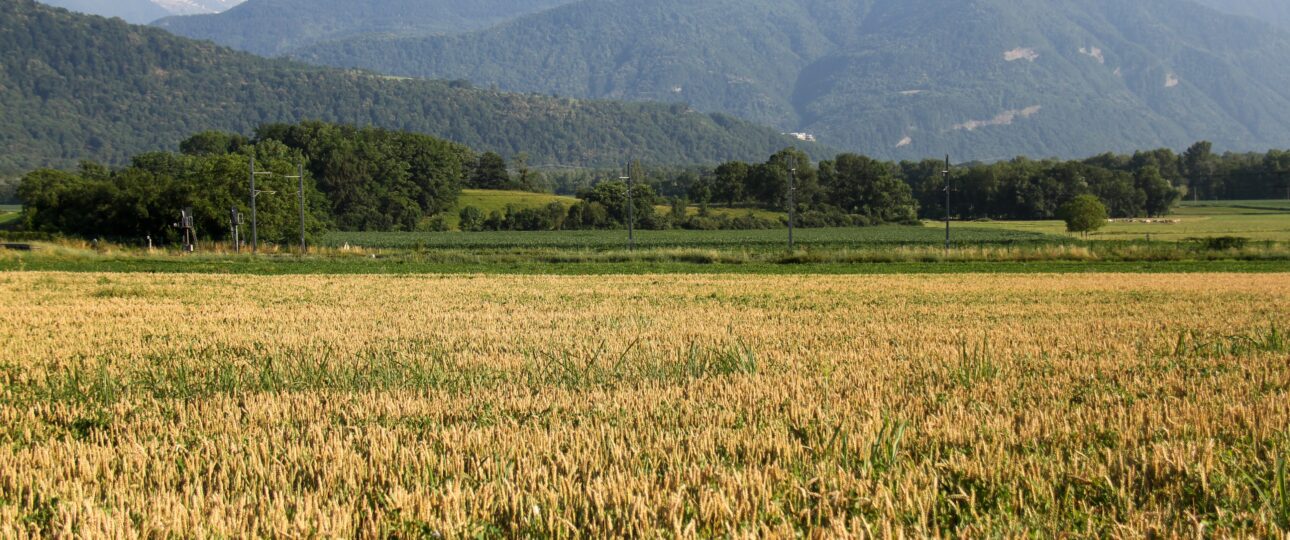
Because of its size, Iwate’s food culture varies significantly by region. Coastal communities focus on what the sea provides, while inland areas rely on agriculture, preserved foods, and mountain ingredients.
This diversity creates a culinary landscape where meals feel regional rather than standardized. Even simple dishes reflect where they come from, carrying local habits and preferences rather than a fixed identity.
Everyday Meals Over Showpieces
Iwate’s food culture prioritizes everyday eating. Meals are designed to sustain rather than impress, with an emphasis on balance and familiarity.
Common characteristics include:
- Modest seasoning that allows ingredients to stand out
- Dishes meant to be shared
- Comfort-focused preparations
This approach results in food that feels honest and dependable—meals that belong naturally to daily life.
Looking for a tailor-made Japan travel experience?
The Influence of Climate
Iwate’s climate has shaped how people cook and eat. Cold winters encourage warming dishes and preserved ingredients, while warmer months bring lighter preparations and seasonal vegetables.
Traditional cooking methods—such as simmering, drying, and pickling—reflect a long history of adapting to seasonal constraints. These techniques continue to influence modern kitchens, blending practicality with flavor.
Local Ingredients and Seasonal Awareness
In Iwate, ingredients are closely tied to place. Farmers, fishers, and producers supply local markets with products that reflect the region’s natural conditions.
Eating seasonally here often means:
- Adjusting meals to what is available locally
- Appreciating subtle changes throughout the year
- Accepting variation rather than expecting consistency
This mindset shapes a food culture rooted in awareness rather than abundance.
Dining Out in Iwate
Restaurants in Iwate tend to mirror home cooking rather than restaurant trends. Many are family-run, focusing on consistency and warmth rather than innovation.
Visitors may notice:
- Menus that change with the seasons
- Familiar flavors repeated across different towns
- A relaxed pace of dining
This makes eating out feel less like an event and more like participation in local life.

For travelers seeking a personalized and stress-free Japan journey, our consultation service offers expert guidance every step of the way.
Why Iwate’s Food Feels Grounded
Iwate’s cuisine reflects values of resilience and continuity. Meals are designed to fit into long days, changing weather, and shared routines.
Rather than standing apart as an attraction, food in Iwate supports the broader travel experience—quietly reinforcing the connection between people and place.
Experiencing Iwate Through Its Food
For travelers, the most meaningful meals in Iwate are often the simplest ones: a warm dish on a cold day, a seasonal vegetable prepared without excess, or a shared table in a small local restaurant.
These moments offer insight into how people live, eat, and relate to their environment—making food an essential lens through which to understand Iwate.

Create Your Own Travel Booking With Us
We specialize in crafting unforgettable journeys across Japan. Whether you’re a solo traveler, couple, or family, our expert planners, multilingual guides, and customer care team ensure your adventure is seamless and unique — from first click to final destination.
Create your travel booking website with us — and let your story unfold in Japan.