Hokkaido offers travelers something different from the rest of Japan. While cities like Tokyo and Kyoto are shaped by centuries of danse history and tradition, Hokkaido feels open, spacious, and deeply connected to nature. Its culture, daily life, and identity have been shaped by indigenous heritage, frontier history, and a slower pace that sets it apart from the main island.
Understanding Hokkaido’s local culture adds depth to any visit and helps travelers experience the region beyond sightseeing.
A Brief History of Hokkaido
For much of Japan’s history, Hokkaido developed separately from the rest of the country. Formerly known as Ezo, the island was home to indigenous communities long before it became part of modern Japan.
Large-scale settlement by the Japanese government began in the late 19th century during the Meji era, when Hokkaido was developed as a frontier region. This late start shaped Hokkaido’s layout, architecture, and lifestyle, giving it a more open and less crowded feel compared to older Japanese cities.
Ainu Heritage: The Indigenous Culture of Hokkaido
One of the most important cultural elements in Hokkaido is the heritage of the Ainu people, the indigenous inhabitants of the island.
Key Aspects of Ainu Culture
- Deep respect for nature and animals
- Unique language and oral traditions
- Distinctive clothing, patterns, and wood carving
- Spiritual beliefs connected to natural elements
Travelers can learn about Ainu culture through museums, cultural centers, and local experiences, especially around Lake Akan and Shiraoi.
Understanding Ainu heritage provides meaningful context for Hokkaido’s identity and history.
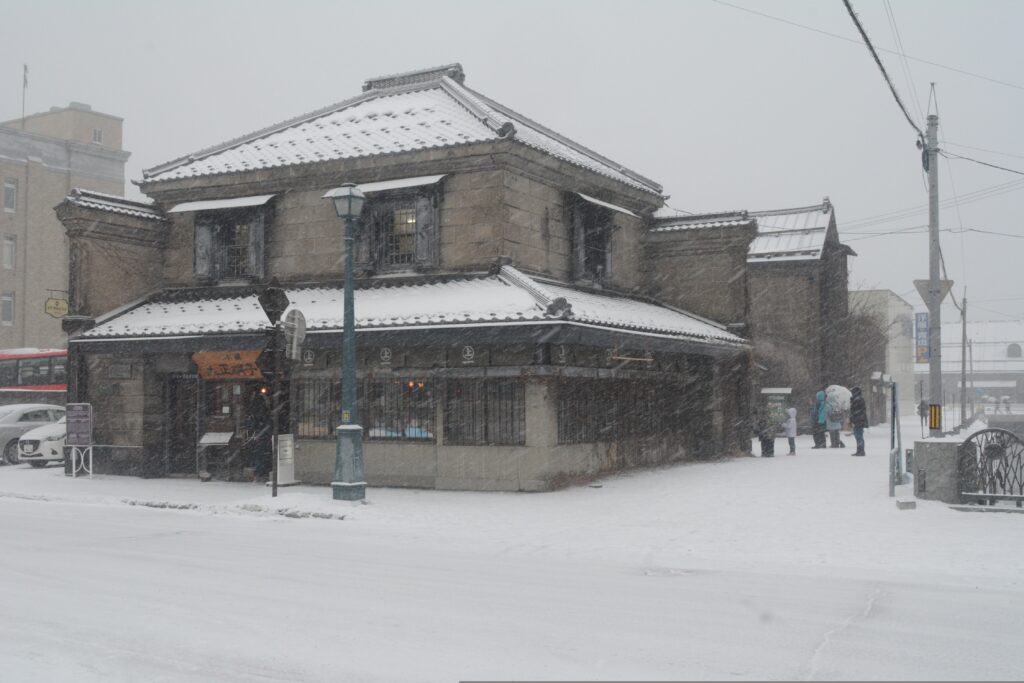
For travelers seeking a personalized and stress-free Japan journey, our consultation service offers expert guidance every step of the way.
Everyday Life in Hokkaido
Daily life in Hokkaido differs noticeably from that in major Japanese cities.
A Slower Pace
Life here moves more slowly. People tend to value personal space, time outdoors, and seasonal rhythms.
Nature as Part of Daily Life
Locals regularly enjoy hiking, skiing, fishing, and hot springs. Outdoor activities are not occasional hobbies but part of everyday living.
Seasonal Awareness
The seasons strongly influence lifestyle, from winter snow preparation to summer festivals and autumn harvests.
Food Culture and Local Pride
Hokkaido residents take pride in local ingredients. Dairy products, seafood, and vegetables are often sourced nearby, and regional specialties are deeply connected to place.
Meals tend to emphasize freshness and simplicity rather than elaborate presentation, reflecting Hokkaido’s practical and grounded culture.
City Culture vs. Rural Life
Urban Life: Sapporo and Regional Cities
Sapporo offers a modern city lifestyle with wide streets, green spaces, and a relaxed atmosphere compared to Tokyo or Osaka. Smaller cities like Hakodate and Asahikawa maintain strong local identities while remaining easy to navigate.
Rural Communities
Outside the cities, rural towns focus on agriculture, fishing, and seasonal work. These areas offer travelers insight into traditional ways of life and a strong connection to the land.
Festivals and Seasonal Traditions
Hokkaido’s festivals reflect its environment and climate.
- Snow festival celebrate winter and community resilience
- Harvest festival highlight agricultural traditions
- Summer events focus on outdoor gatherings and local food
These events offer opportunities to interact with locals and experience regional traidtions firsthand.
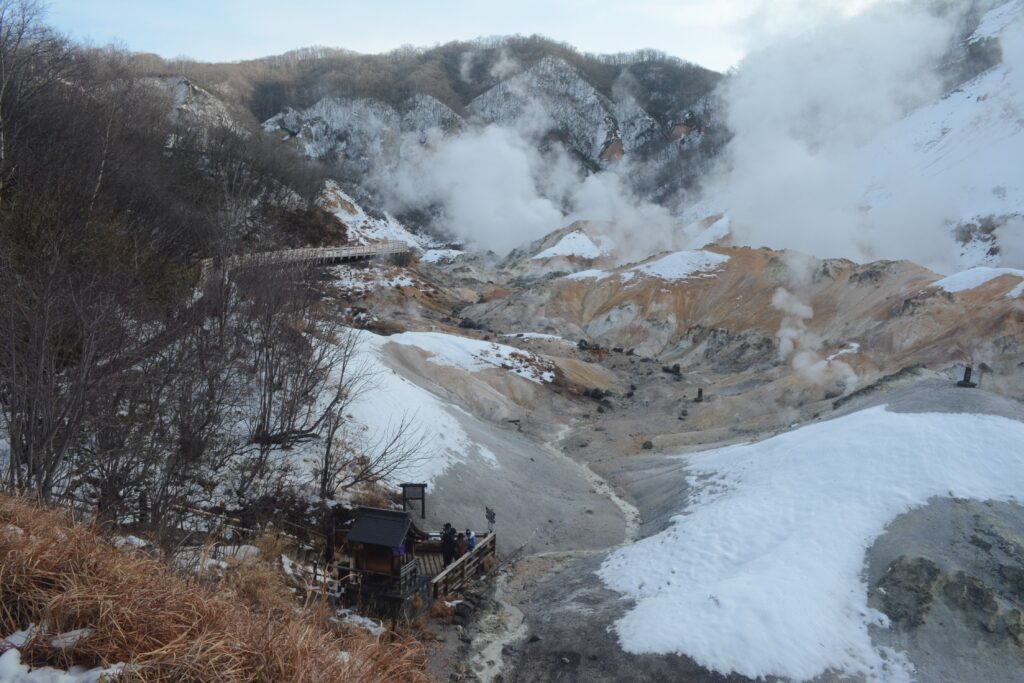
If you’d like help planning a smooth and well-organized trip to Japan, our travel consultants are here to assist.
How Hokkaido’s Culture Shapes Travel Experiences
Because of its history and lifestyle, travel in Hokkaido feels different:
- Longer distances between destinations
- Emphasis on nature and scenery
- Relaxed scheduling and fewer crowds
- Strong seasonal contrasts
Travelers often fine that slowing down leads to richer and more rewarding experiences.
Traveling Respectfully in Hokkaido
Visitors are encouraged to:
- Respect natural environments
- Follow local rules in onsen and rural areas
- Be mindful of seasonal conditions
- Appreciate local customs and community rhythms
Engaging respectfully helps preserve the balance between tourism and daily life.
Conclusion: Experiencing Hokkaido Beyond the Surface
Hokkaido’s culture is shaped by nature, history, and independence. From indigenous heritage to modern frontier life, the island offers a side of Japan that feels open, calm, and deeply grounded.
For travelers seeking more than famous landmarks–those looking to understand how people live, work, and connect with the land–Hokkaido offers an enriching and memorable journey.

Create Your Own Travel Booking With Us
We specialize in crafting unforgettable journeys across Japan. Whether you’re a solo traveler, couple, or family, our expert planners, multilingual guides, and customer care team ensure your adventure is seamless and unique — from first click to final destination.
Create your travel booking website with us — and let your story unfold in Japan.