For many travelers, Kanagawa appears on the map as a convenient extension of Tokyo—a place you “drop by” for a day in Kamakura, soak briefly in Hakone, or stroll along Yokohama’s waterfront before heading back to the capital. While its proximity to Tokyo is undeniably one of its strengths, reducing Kanagawa to a simple day-trip destination misses the deeper character of the region.
Kanagawa is not merely “near Tokyo.” It is a prefecture with its own rhythm, shaped by the sea, mountains, historic trade routes, and a long tradition of cultural exchange. Understanding what makes Kanagawa unique means seeing it as a destination that rewards time, curiosity, and slower exploration.
A Prefecture Defined by Geography and Contrast
One of Kanagawa’s most distinctive features is the dramatic variety packed into a relatively compact area. Within a short distance, landscapes shift from dense urban districts to quiet fishing ports, from forested mountain paths to open Pacific coastlines.
To the north and west, the terrain rises into mountainous regions around Hakone and Tanzawa, where volcanic activity, lakes, and hot springs have shaped both nature and local culture. These areas have long served as retreats—first for feudal lords seeking rest, later for artists, writers, and modern travelers searching for calm.
In contrast, Kanagawa’s southern and eastern edges open toward the sea. The Shonan coast, Miura Peninsula, and historic port of Yokohama reflect centuries of maritime life. Fishing villages, surf beaches, and international ports coexist, creating a coastal culture that feels distinctly different from inland Japan.
This constant contrast—urban and rural, historic and modern, mountain and sea—is not something you pass through quickly. It is something you experience gradually, often by simply staying a little longer than planned.
Kanagawa’s Role in Japanese History
Kanagawa occupies a pivotal place in Japan’s historical narrative. Long before Tokyo became the nation’s capital, this region was already a center of political power, religious significance, and transportation.
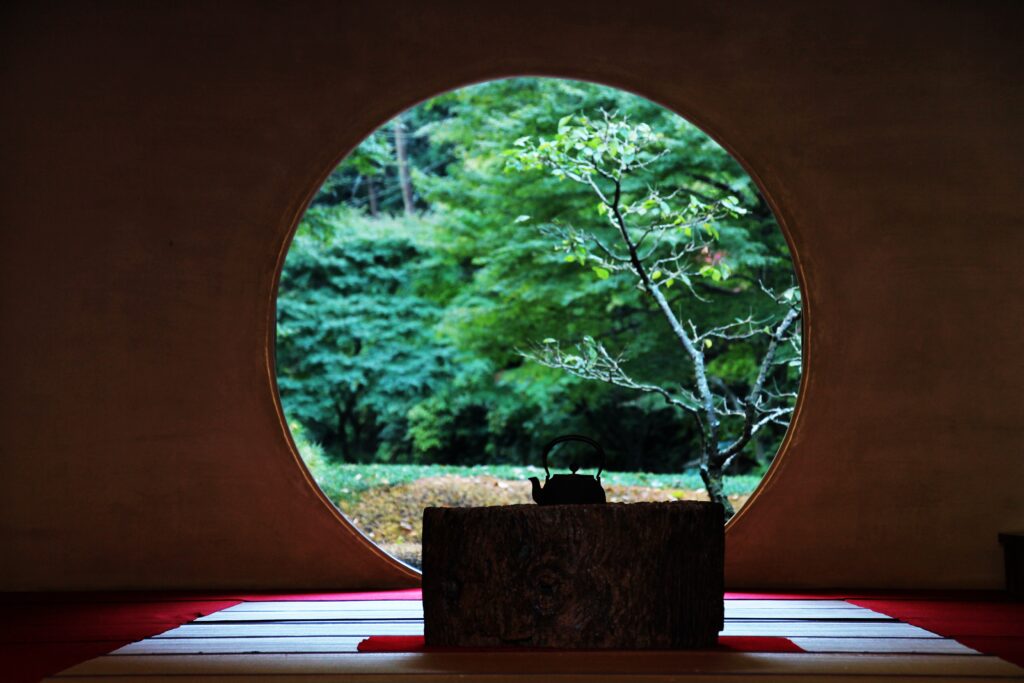
Kamakura, once the seat of Japan’s first shogunate, still carries the atmosphere of a former capital. Its temples, shrines, and forested paths are not preserved as museum pieces but remain woven into daily life. Locals pass centuries-old gates on their way to work, and seasonal festivals continue traditions established hundreds of years ago.
Meanwhile, Yokohama represents a very different chapter of history. As one of the first ports opened to international trade in the 19th century, it became a gateway between Japan and the world. Western architecture, foreign settlements, and early modernization left visible marks that still define the city’s character today.
What makes Kanagawa unique is how these historical layers coexist. Samurai-era temples, early modern port towns, and contemporary cityscapes are not separated into different regions—they are interconnected, often reachable within the same day.
For travelers seeking a personalized and stress-free Japan journey, our consultation service offers expert guidance every step of the way.
More Than Famous Landmarks
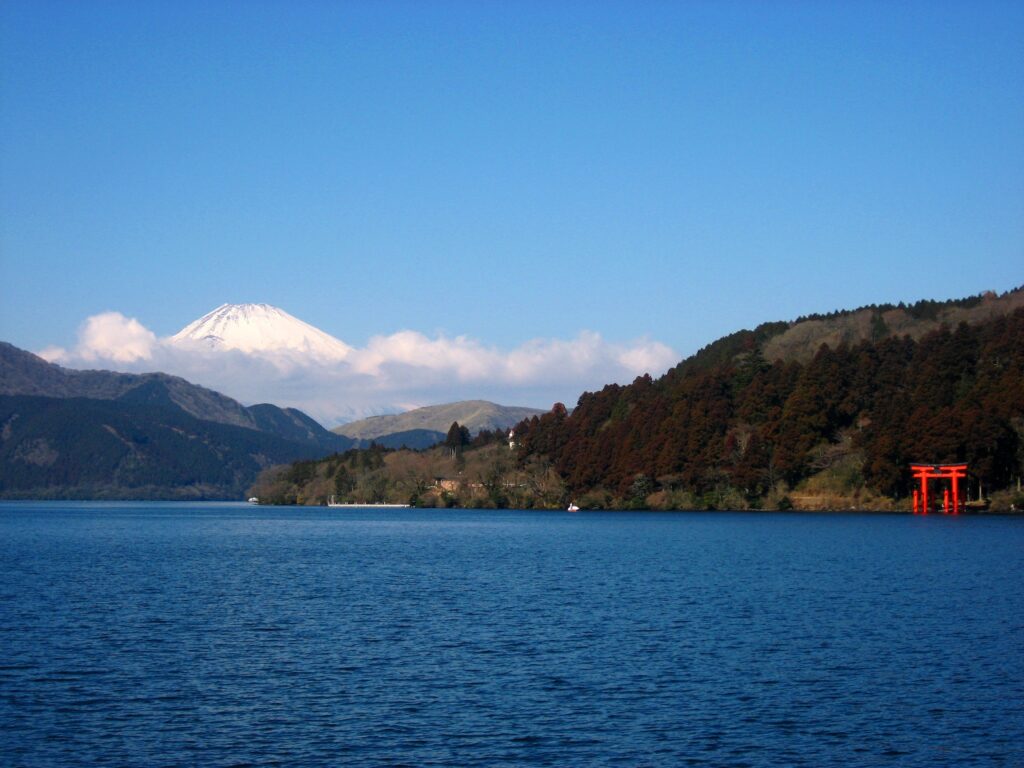
When people think of Kanagawa, a few iconic images often come to mind: the Great Buddha of Kamakura, the torii gate of Hakone Shrine rising from Lake Ashi, or Yokohama’s illuminated skyline at night. These landmarks deserve their reputation, but Kanagawa’s appeal lies just as much in its less-celebrated spaces.
Quiet residential neighborhoods near Kamakura’s main sites reveal local cafes, small galleries, and family-run restaurants that operate at a human pace. In coastal towns along the Miura Peninsula, fish markets, seaside shrines, and cliffside paths offer insight into everyday life shaped by the ocean.
Even in Hakone, beyond the well-known sightseeing loop, there are old highways, village trails, and lakeside hamlets where time feels slower. These places do not demand attention; they reward it.
Kanagawa is best understood not as a checklist of attractions, but as a collection of lived-in spaces where history and routine intersect.
A Food Culture Shaped by Land and Sea
Kanagawa’s culinary identity reflects its geography. Proximity to the ocean brings an abundance of fresh seafood, while mountainous areas contribute vegetables, tofu, and preserved foods associated with temple and rural cuisine.
In coastal regions, local dining often centers on simplicity—grilled fish, sashimi served hours after landing, and seasonal shellfish enjoyed without elaborate preparation. Shonan and Miura, in particular, are known for tuna, whitebait, and locally caught fish that appear on menus depending on the day’s catch.
Urban centers like Yokohama offer a different experience. International influences introduced through the port helped shape a diverse food scene, from Chinese-inspired dishes in historic districts to modern interpretations of Western and Japanese fusion cuisine.
What distinguishes Kanagawa’s food culture is not extravagance, but balance. Meals often emphasize freshness, seasonality, and a connection to place—qualities that become more noticeable the longer you stay.
If you’d like help planning a smooth and well-organized trip to Japan, our travel consultants are here to assist.
Why Kanagawa Deserves More Than a Single Day
Calling Kanagawa a “day trip from Tokyo” is not incorrect—but it is incomplete. A single day allows you to see highlights; multiple days allow you to feel the region.
Spending the night changes everything. Morning streets are quieter, temples feel more contemplative, and coastal towns reveal routines that disappear during peak sightseeing hours. Traveling at a slower pace also makes it easier to combine different aspects of Kanagawa: a morning walk by the sea, an afternoon exploring historic streets, and an evening soaking in an onsen or dining locally.
Kanagawa rewards travelers who resist the urge to rush. It invites exploration without pressure, offering moments of calm between well-known sights.
A Destination That Grows With the Traveler
Perhaps the most compelling reason Kanagawa stands out is its ability to meet travelers where they are. First-time visitors may be drawn to famous landmarks, while repeat travelers often return for specific neighborhoods, seasonal scenery, or simply the feeling of familiarity.
Whether you are interested in history, nature, food, or everyday Japanese life, Kanagawa offers depth without distance. It is accessible yet layered, well-known yet full of quiet corners.
Seen this way, Kanagawa is not an extension of Tokyo—it is a destination in its own right, one that reveals more each time you choose to stay a little longer.

Create Your Own Travel Booking With Us
We specialize in crafting unforgettable journeys across Japan. Whether you’re a solo traveler, couple, or family, our expert planners, multilingual guides, and customer care team ensure your adventure is seamless and unique — from first click to final destination.
Create your travel booking website with us — and let your story unfold in Japan.