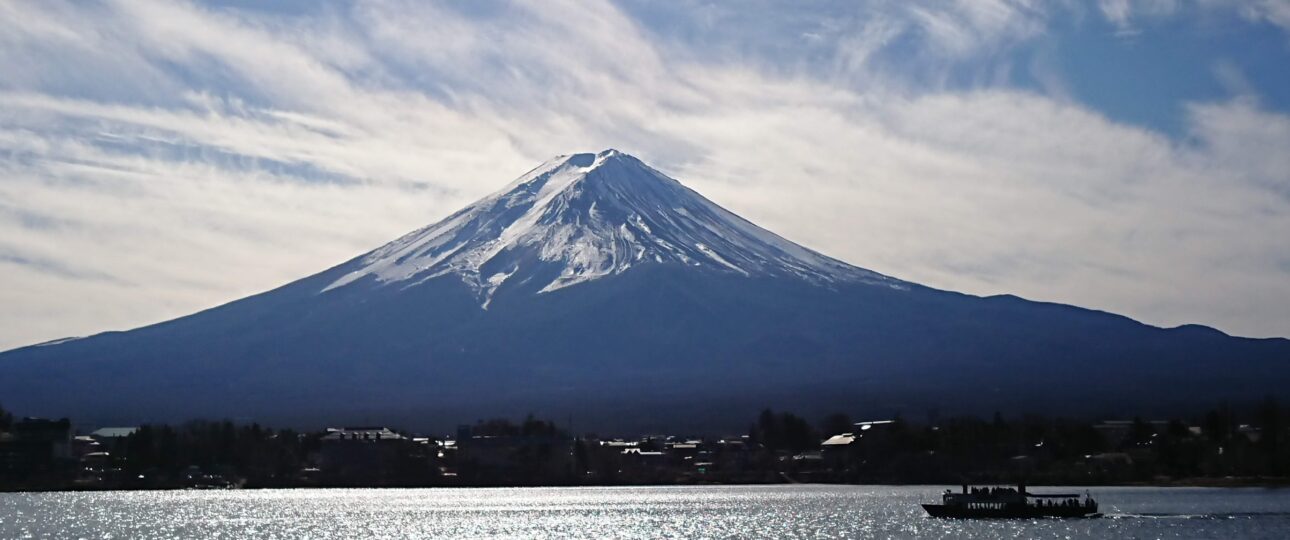
Yamanashi is often described in relation to Mount Fuji. From postcards to travel brochures, the mountain dominates the image of the region. Yet to understand Yamanashi only through Fuji is to miss the quieter, more nuanced story unfolding beneath its presence.
This is a prefecture shaped by elevation, isolation, and continuity. Life here has developed not in spite of the mountain, but alongside it—adapting to its rhythms, respecting its power, and accepting its constant visibility as part of everyday existence.
A Landscape Defined by Distance
Yamanashi is enclosed by mountains. Unlike coastal regions or urban corridors, it does not sit naturally along major trade routes. Historically, this relative isolation shaped a way of life rooted in self-sufficiency and close ties between communities.
Traveling through Yamanashi today still carries a sense of transition. Roads wind through passes, valleys open gradually, and settlements appear after long stretches of forest or farmland. The geography encourages patience. Movement here feels intentional rather than hurried.
This sense of distance—both physical and psychological—gives Yamanashi its distinctive calm.
Mount Fuji as Presence, Not Destination
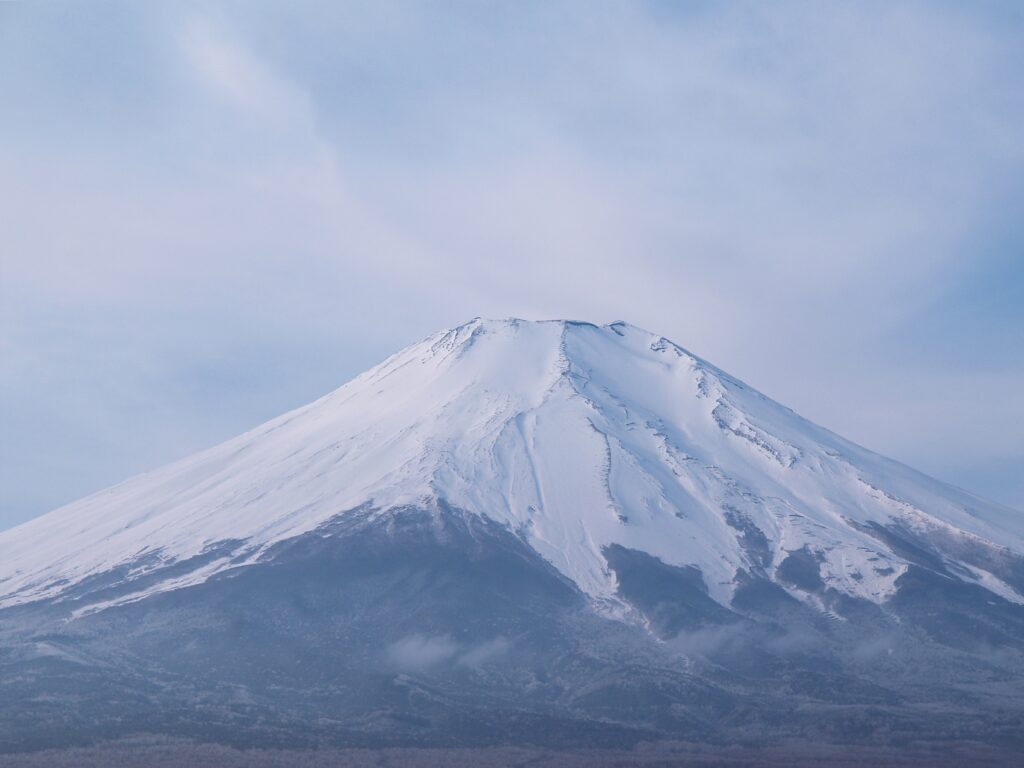
For residents of Yamanashi, Mount Fuji is not an excursion or a challenge to be conquered. It is a presence—seen from fields, streets, and train platforms, sometimes clear, sometimes hidden by cloud.
Rather than serving as a focal point of daily activity, Fuji operates as a quiet reference. Weather patterns, seasonal changes, and even local narratives are shaped by its proximity.
This relationship differs sharply from the visitor’s gaze. Where travelers seek views and photographs, locals accept fluctuation and absence. Fuji’s power lies as much in its invisibility as in its form.
If you’d like help planning a smooth and well-organized trip to Japan, our travel consultants are here to assist.
Valleys That Sustain Life
Between Yamanashi’s mountains lie fertile basins that have supported agriculture for centuries. These valleys provide contrast to the surrounding heights, creating spaces where water collects, soil deepens, and communities take root.
Farming here is shaped by altitude and seasonality. Crops respond to temperature shifts and sunlight patterns unique to the region. Over time, this has fostered a close awareness of natural cycles—planting, harvesting, and resting aligned with environmental limits.
This agricultural rhythm remains visible today, grounding the region in continuity rather than expansion.
Communities Built on Continuity
Yamanashi’s towns are not designed around spectacle. Streets are practical, homes modest, and public spaces functional. Yet within this simplicity lies resilience.
Generations often remain connected to the same places, maintaining family land, businesses, and traditions. Social relationships tend to be layered rather than transient, shaped by long familiarity.
This continuity creates a social environment where change is gradual and deliberate.
Shrines, Mountains, and Quiet Belief
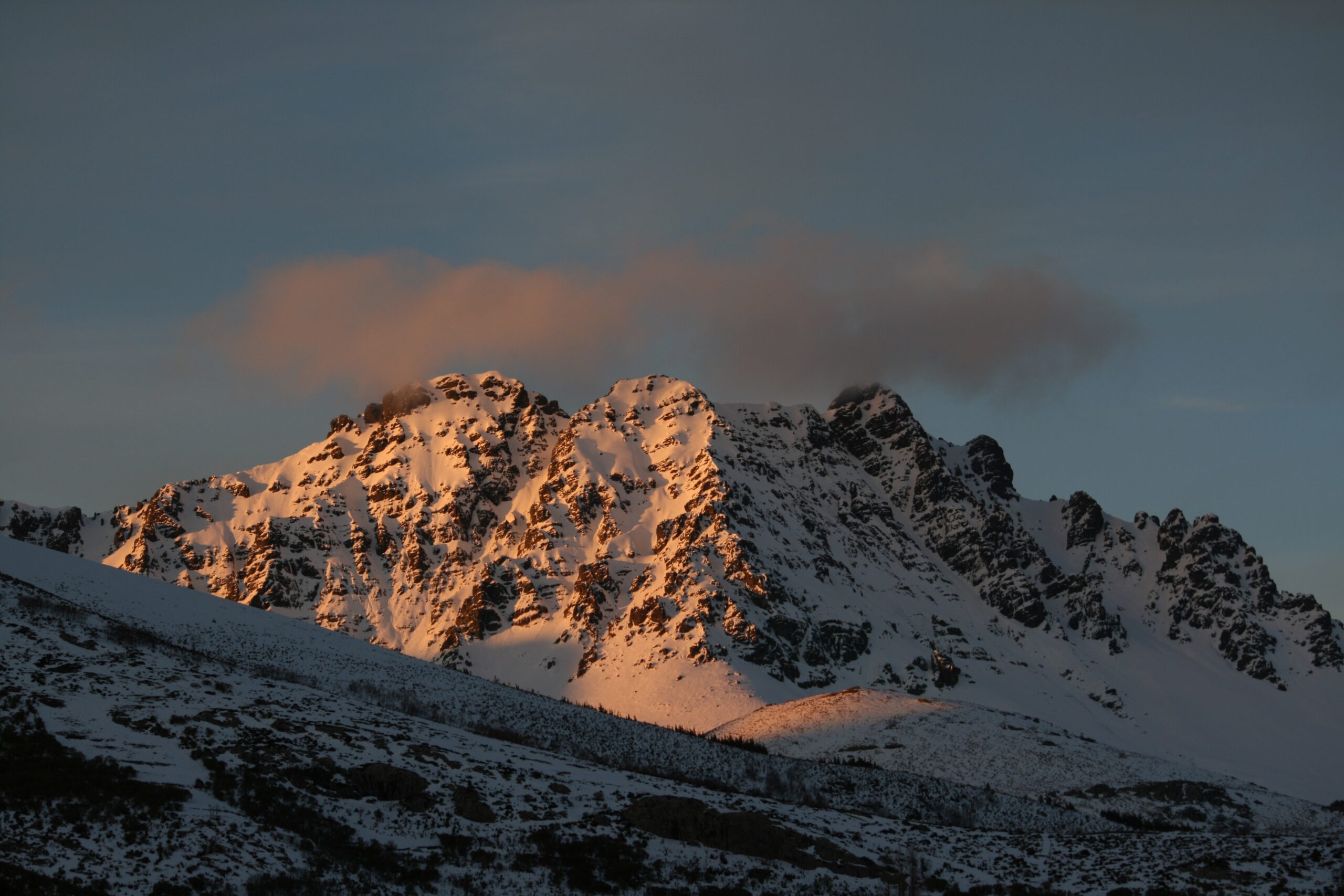
Spiritual life in Yamanashi reflects its geography. Mountains have long been viewed as sacred, serving as sites of reverence rather than conquest.
Shrines and small temples appear at forest edges, mountain foothills, and along old paths. Their scale is modest, their presence understated. Rather than drawing crowds, they serve those who pass regularly—locals who stop briefly, without ceremony.
Belief here is woven into movement and routine, not confined to special occasions.

Planning a trip to Japan and not sure where to start? We’re happy to help you design a journey that fits your travel style.
Living With Natural Power
Volcanic activity, earthquakes, and severe weather are part of Yamanashi’s historical memory. Rather than cultivating fear, this awareness has encouraged adaptation.
Architecture, settlement patterns, and infrastructure reflect respect for natural forces. Buildings are placed thoughtfully, and land use reflects generations of observation.
This relationship with nature emphasizes coexistence over control.
Time That Moves Differently
In Yamanashi, time feels less compressed. Days follow natural light more than schedules. Seasonal shifts are noticeable, not abstract.
This temporal quality influences how visitors experience the region. Short stays can feel incomplete, while longer visits reveal subtle variation—changes in light, air, and mood that resist documentation.
Yamanashi does not offer instant gratification. It offers depth through duration.
A Region Beyond Representation
Yamanashi resists easy representation. It is not defined by a single landmark, narrative, or experience. Even Mount Fuji, so often used as a symbol, functions here as part of a broader environment rather than a standalone icon.
To understand Yamanashi requires attention to what is repeated, not what is exceptional.

From itinerary planning to local recommendations, our consultation service helps you travel Japan with ease and confidence.
Beginning to See Beyond the Mountain
This first encounter with Yamanashi sets the foundation for deeper exploration. Beyond Mount Fuji lies a region shaped by terrain, belief, and quiet persistence.
Yamanashi is not a place to pass through quickly. It is a place to notice slowly—where life unfolds in the shadow of something immense, yet never entirely defined by it.

Create Your Own Travel Booking With Us
We specialize in crafting unforgettable journeys across Japan. Whether you’re a solo traveler, couple, or family, our expert planners, multilingual guides, and customer care team ensure your adventure is seamless and unique — from first click to final destination.
Create your travel booking website with us — and let your story unfold in Japan.