In Yamanashi, belief is inseparable from landscape. Mountains rise not only as physical forms, but as spiritual presences that have shaped how people understand the world around them. Long before formal religious institutions took root, the land itself was regarded as sacred.
This tradition did not disappear with time. It settled quietly into daily life, leaving traces along paths, forests, and foothills—subtle markers of a worldview that continues to influence the region.
Mountains as Spiritual Boundaries
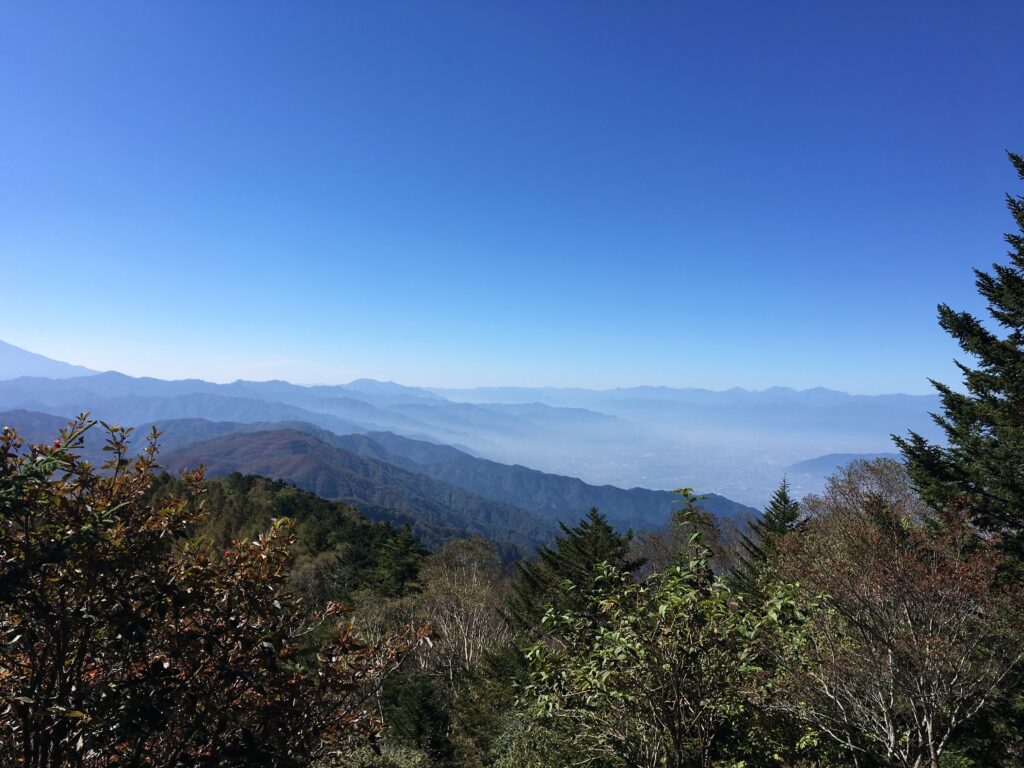
Yamanashi’s mountains have long been understood as thresholds rather than obstacles. They marked the boundary between the human world and realms beyond ordinary experience.
Unlike flatland shrines or urban temples, mountain sites require effort to reach. This physical ascent mirrors spiritual preparation. Movement becomes ritual, even when unspoken.
In this way, geography itself became part of belief.
Fuji as a Sacred Presence
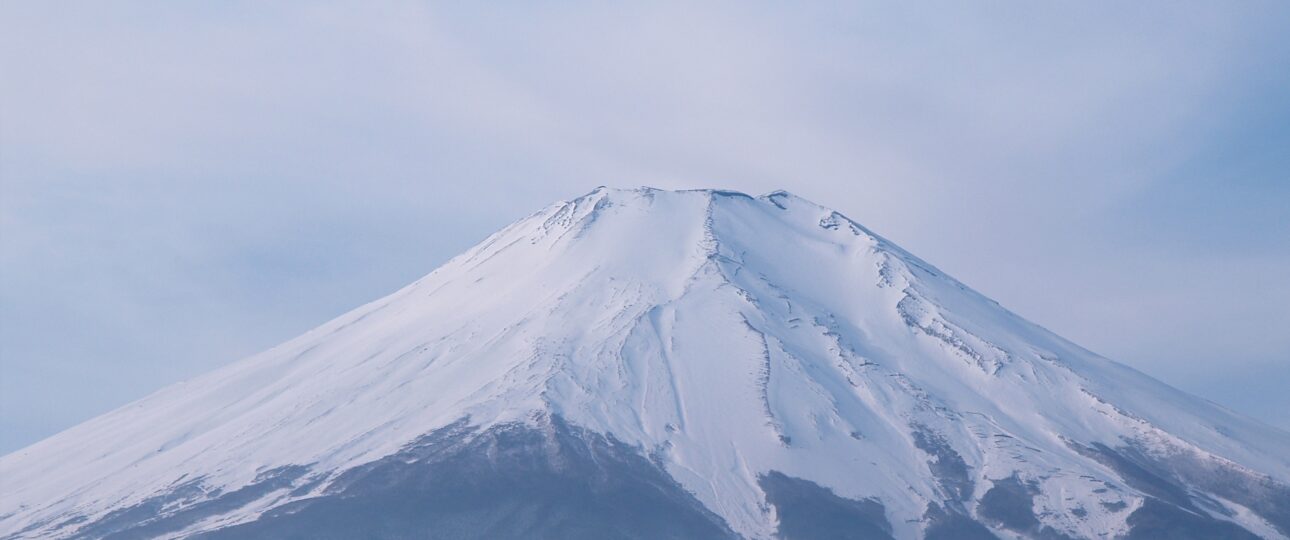
Mount Fuji occupies a central place in Yamanashi’s spiritual history, but not as an object of admiration alone. For centuries, Fuji was seen as a powerful, unpredictable force—one that demanded respect rather than conquest.
Pilgrimage to the mountain followed established routes, guided by discipline and restraint. The goal was not the summit, but purification and renewal.
This reverent relationship persists. Even as modern infrastructure reshapes access, the mountain’s spiritual weight remains embedded in regional consciousness.
If you’d like help planning a smooth and well-organized trip to Japan, our travel consultants are here to assist.
Shrines at the Edge of Movement
Throughout Yamanashi, shrines often appear at transitional points—forest entrances, mountain bases, river crossings. Their placement reflects an understanding of liminal space, where one state gives way to another.
These shrines are typically modest. Their purpose is not display, but acknowledgment: a moment to pause, offer respect, and proceed with awareness.
Such gestures continue quietly, passed down through habit rather than instruction.
Paths of Practice
Many of Yamanashi’s old routes were shaped by spiritual movement. Monks, ascetics, and pilgrims traveled between sites, forming networks of belief connected by footpaths rather than doctrine.
Walking these routes required endurance and focus. Over time, the act of walking itself became a form of practice—attention turned inward through repetition.
Even today, these paths carry a sense of intention, felt more than seen.
Water, Purification, and Renewal
Water holds special significance within Yamanashi’s spiritual traditions. Springs, rivers, and waterfalls serve as sites of purification, marking transitions between states of being.
Before entering sacred spaces, individuals often engaged in ritual cleansing—not as ceremony, but as preparation. This emphasis on readiness underscores a belief system grounded in responsibility rather than reward.
Water remains a quiet companion to belief, flowing continuously whether observed or not.

Planning a trip to Japan and not sure where to start? We’re happy to help you design a journey that fits your travel style.
Everyday Faith Without Declaration
Spiritual life in Yamanashi does not demand expression. Belief exists without proclamation, embedded in daily routines and spatial awareness.
Small offerings appear at roadside shrines. Seasonal observances proceed without spectacle. Respect is shown through care rather than display.
This understated approach allows tradition to persist without conflict with modern life.
The Role of Silence
Silence plays a central role in Yamanashi’s spiritual landscape. Forests absorb sound, mountains echo selectively, and shrines encourage stillness through design rather than instruction.
This environment fosters contemplation naturally. There is little need to seek meaning; it emerges through presence.
Silence becomes a medium through which belief is felt rather than articulated.
Adaptation Through Time
Yamanashi’s spiritual traditions have endured not by resisting change, but by adapting. New beliefs layered gently over older ones, creating continuity rather than replacement.
This flexibility allowed traditions to survive modernization without becoming static. Spiritual sites remain relevant because they are integrated, not isolated.

From itinerary planning to local recommendations, our consultation service helps you travel Japan with ease and confidence.
Walking Between Worlds
To move through Yamanashi is to pass constantly between worlds—natural and human, visible and unseen, past and present.
This movement defines the region’s spiritual character. Belief is not confined to sacred sites; it accompanies travelers along the way.
A Living Relationship
Ultimately, spirituality in Yamanashi is not about doctrine. It is about relationship—a long-standing dialogue between people and place.
Sacred peaks and old beliefs continue to shape how the region is lived, offering a quiet framework for understanding the world beyond immediate experience.

Create Your Own Travel Booking With Us
We specialize in crafting unforgettable journeys across Japan. Whether you’re a solo traveler, couple, or family, our expert planners, multilingual guides, and customer care team ensure your adventure is seamless and unique — from first click to final destination.
Create your travel booking website with us — and let your story unfold in Japan.