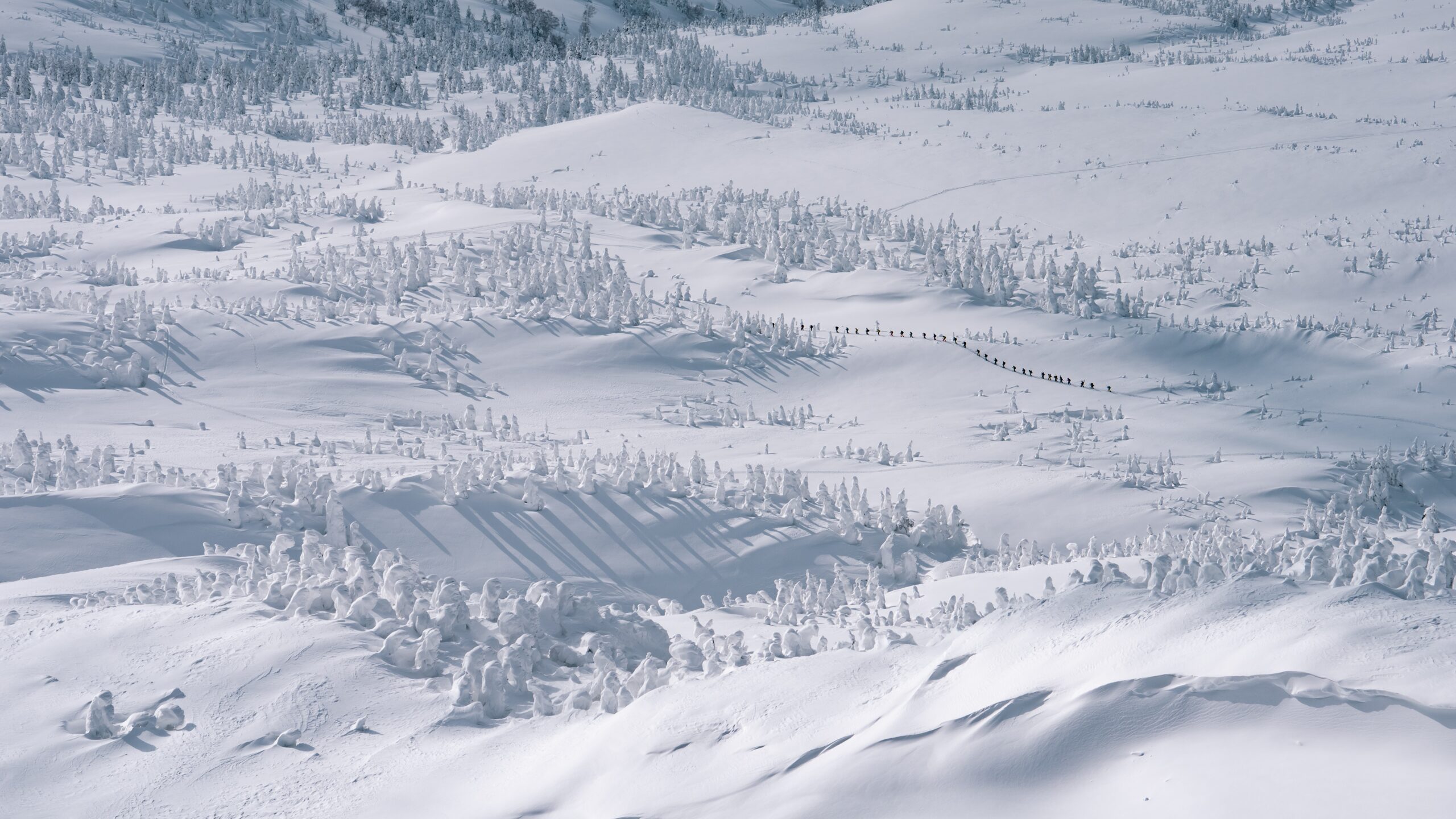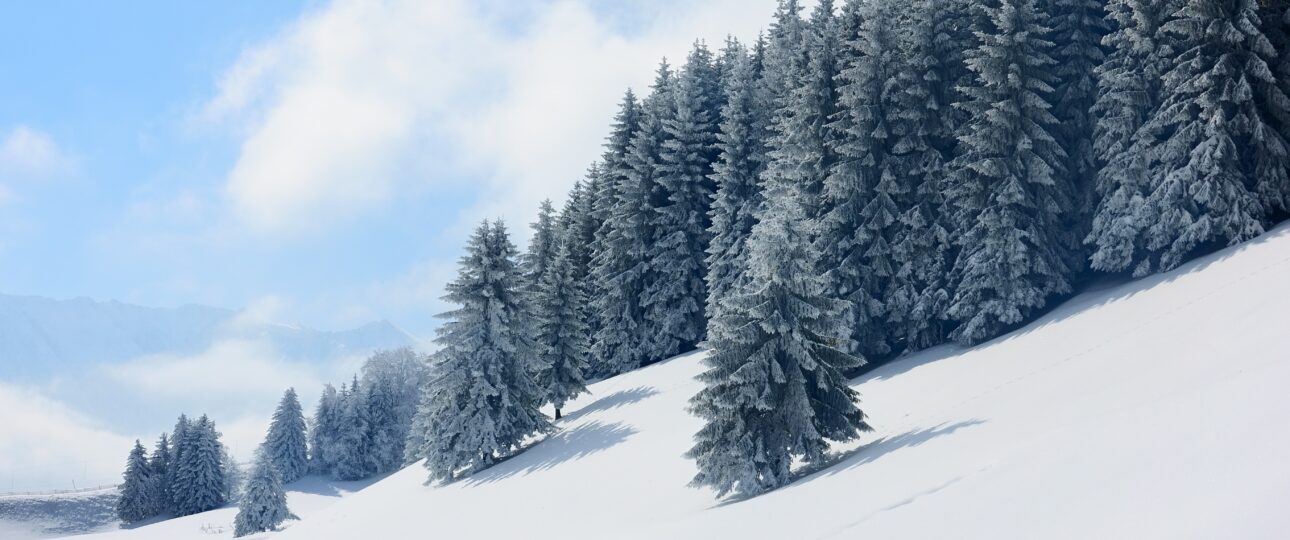
In many parts of Japan, snow is a seasonal inconvenience—something to endure for a few months before life returns to normal. In Toyama Prefecture, snow is not a temporary guest. It is a fundamental part of the region’s identity, shaping how people build homes, grow food, preserve traditions, and think about nature itself.
Toyama is one of Japan’s heaviest snowfall regions, particularly in areas close to the Northern Japanese Alps. Winters are long and often severe, yet life does not stop. Instead, the prefecture has developed a quiet expertise in living with snow, turning what could be a burden into a resource that sustains the region year after year.
Snow as a Source of Life
The deep snow that blankets Toyama’s mountains each winter is more than a dramatic visual. As it melts in spring, it becomes the foundation of the prefecture’s water system. Rivers fed by snowmelt run clear and cold, supplying drinking water, irrigating rice fields, and eventually flowing into Toyama Bay.
This abundance of clean water has long supported agriculture, particularly rice cultivation. Toyama rice is known throughout Japan for its clarity of flavor, a direct result of mineral-rich mountain water and carefully managed irrigation systems. For locals, water is not something taken for granted; it is treated with respect, maintained through community effort, and protected as a shared asset.
The same water cycle supports industries beyond farming. Traditional crafts, food production, and even sake brewing rely on the quality of Toyama’s water. In this way, snow—often seen elsewhere as an obstacle—quietly sustains the region’s economy and daily life.

For travelers seeking a personalized and stress-free Japan journey, our consultation service offers expert guidance every step of the way.
Architecture Shaped by Winter
Toyama’s relationship with snow is also visible in its architecture. Traditional houses are designed to withstand heavy accumulation, with steep roofs and reinforced structures. In rural areas, buildings are positioned carefully to manage snow removal and prevent isolation during winter months.
Even in urban settings, snow is accounted for in street design, drainage systems, and public transportation planning. The prefecture’s ability to function smoothly during winter is not accidental; it is the result of decades of adaptation and shared knowledge passed down through generations.
For visitors, this can be surprisingly reassuring. Rather than feeling cut off or constrained by winter conditions, travelers often notice how seamlessly daily life continues—trains run, shops remain open, and communities stay connected.
Food Preservation and Seasonal Awareness
Snow has also influenced how people in Toyama eat. Historically, long winters meant that food had to be preserved carefully. Techniques such as pickling, drying, and fermenting developed not as trends, but as necessities. These methods remain part of Toyama’s culinary culture today, valued not only for practicality but also for flavor.
Seasonality is deeply ingrained in local life. Ingredients are celebrated at their peak, and meals reflect the time of year. Winter dishes tend to be warming and simple, while spring brings lighter flavors as snowmelt signals renewal. This awareness of natural cycles gives Toyama’s food culture a grounded, unpretentious character.
Rather than chasing novelty, local cuisine reflects continuity—a conversation between past and present shaped by climate and geography.
If you’d like help planning a smooth and well-organized trip to Japan, our travel consultants are here to assist.
A Quiet Philosophy of Coexistence
Perhaps the most distinctive aspect of Toyama’s snow culture is its mindset. Instead of resisting nature, people here have learned to coexist with it. Snow is planned for, prepared for, and ultimately accepted as part of life. This philosophy extends beyond winter, influencing how communities approach sustainability and environmental balance.
Toyama’s emphasis on clean water, renewable energy, and thoughtful urban planning reflects this long-standing relationship with nature. The region does not seek to dominate its environment, but to live within it responsibly.
For travelers, this perspective offers something rare: a chance to experience Japan not as a collection of attractions, but as a place shaped by natural rhythms. Toyama shows how climate and geography can foster resilience, patience, and a deep respect for the land.
In a country known for its seasonal beauty, Toyama stands out not for fleeting moments, but for how fully it embraces every season—snow included.

Create Your Own Travel Booking With Us
We specialize in crafting unforgettable journeys across Japan. Whether you’re a solo traveler, couple, or family, our expert planners, multilingual guides, and customer care team ensure your adventure is seamless and unique — from first click to final destination.
Create your travel booking website with us — and let your story unfold in Japan.