Beyond Kanazawa’s historic streets and refined food culture, Ishikawa opens into a quieter, more spacious landscape. Coastlines stretch along the Sea of Japan, rural communities settle into valleys and peninsulas, and craft traditions continue far from urban centers. It is here, away from the prefecture’s cultural capital, that Ishikawa’s character feels most complete.
These areas do not seek attention. They are not arranged for visitors, nor do they attempt to explain themselves. Instead, they invite observation—revealing how land, work, and tradition remain closely intertwined.
The Presence of the Sea
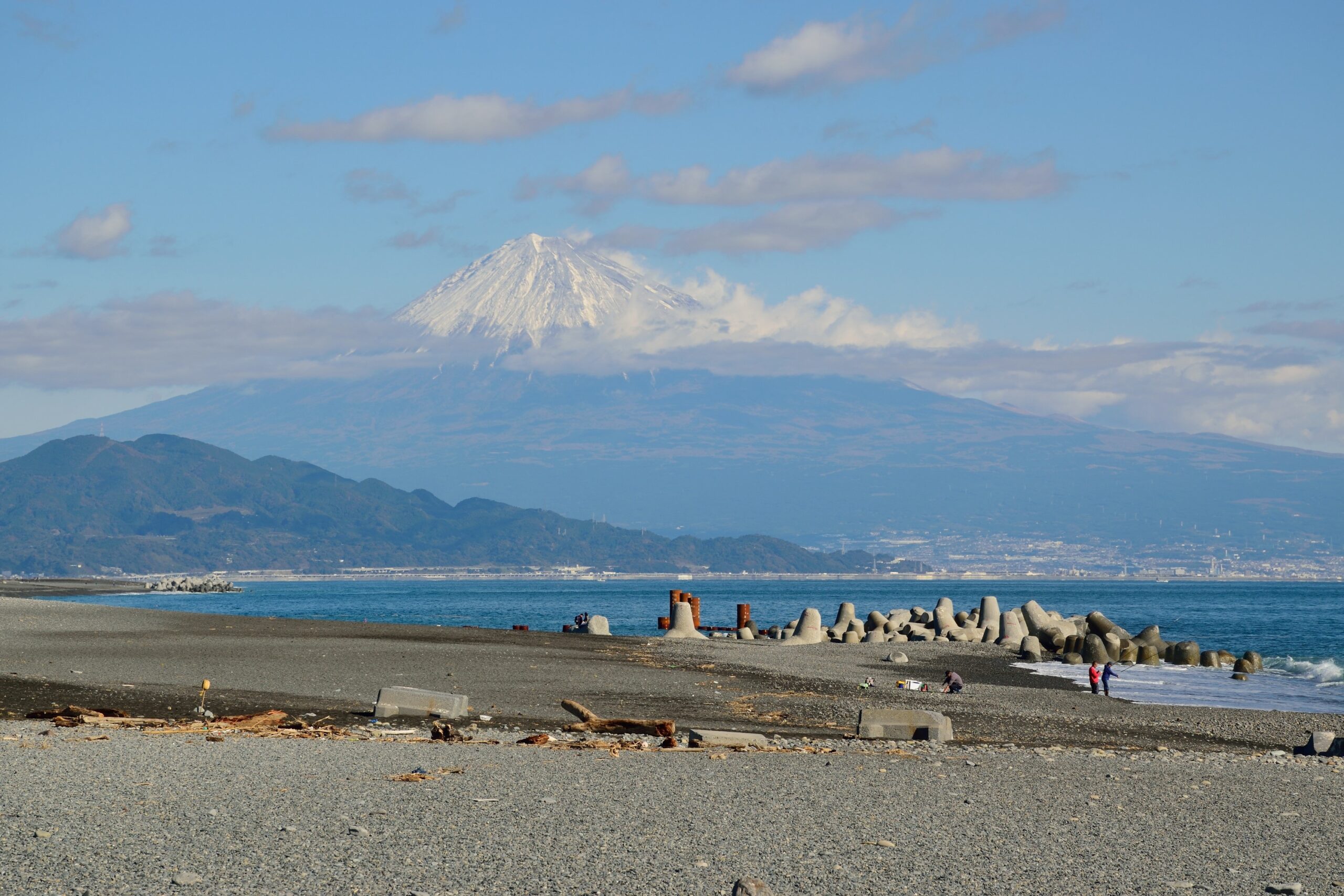
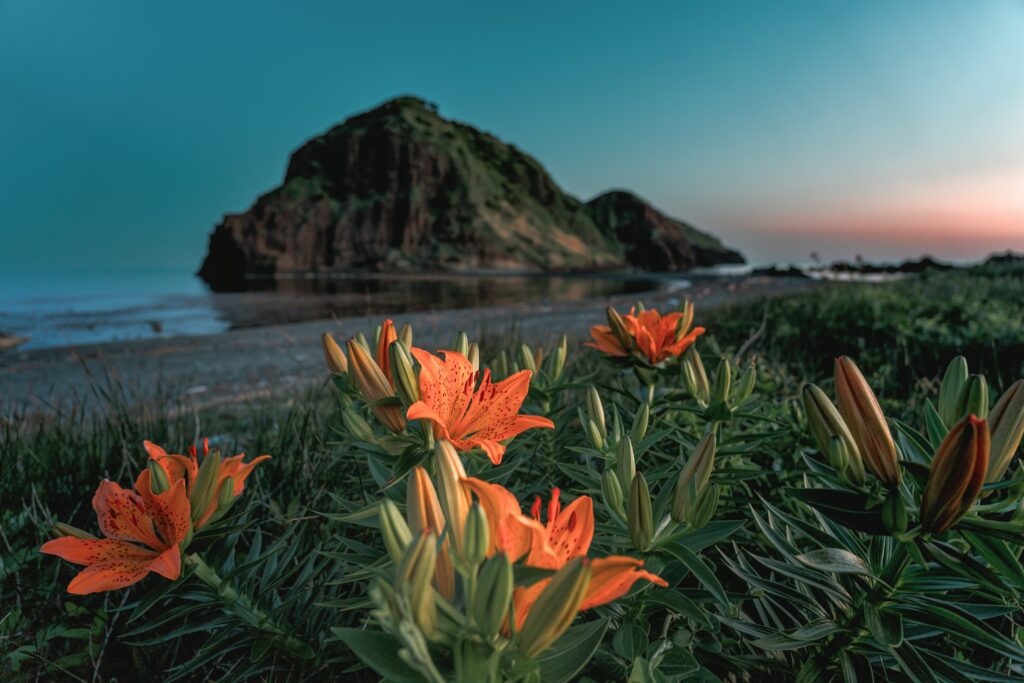
Ishikawa’s coastline is shaped by the Sea of Japan, a body of water that influences climate, livelihoods, and worldview. Winters are harsh, waves are strong, and weather changes quickly. Coastal towns have adapted over generations, developing resilience and self-reliance.
Fishing villages along the coast operate according to natural rhythms rather than fixed schedules. Daily life adjusts to wind, tide, and season. This awareness creates a deep respect for nature’s unpredictability—an attitude that extends beyond the sea into broader regional culture.
For travelers, these coastal areas offer an experience far removed from resort culture. The atmosphere is practical, calm, and grounded, emphasizing function over leisure.
The Noto Peninsula and Regional Identity
The Noto Peninsula represents one of Ishikawa’s most distinctive regions. Long, narrow, and reaching into the sea, it developed with a degree of isolation that allowed local customs to mature independently.
Villages here often feel self-contained, with strong community ties and traditions passed down through shared labor. Agriculture and fishing coexist, creating balanced local economies. Seasonal festivals, when they occur, are rooted in community rather than spectacle.
Traveling through Noto reveals a slower pace of life. Roads wind through fields and forests, connecting settlements that value continuity over change. This environment fosters a strong sense of place that visitors often find deeply affecting.
From itinerary planning to local recommendations, our consultation service helps you travel Japan with ease and confidence.
Craft Rooted in Landscape
Many of Ishikawa’s traditional crafts originate outside urban centers. Lacquerware workshops, pottery studios, and textile producers are often located in small towns where materials are readily available and skills have been preserved locally.
Craft here is not treated as an artistic pursuit detached from daily life. It is work—careful, repetitive, and deeply tied to environment. Wood, clay, and natural pigments are sourced with an understanding of local conditions.
This relationship between craft and landscape reinforces a philosophy of sustainability long before the term became popular. Materials are used thoughtfully, and production is measured rather than scaled.
Rural Life and Seasonal Balance
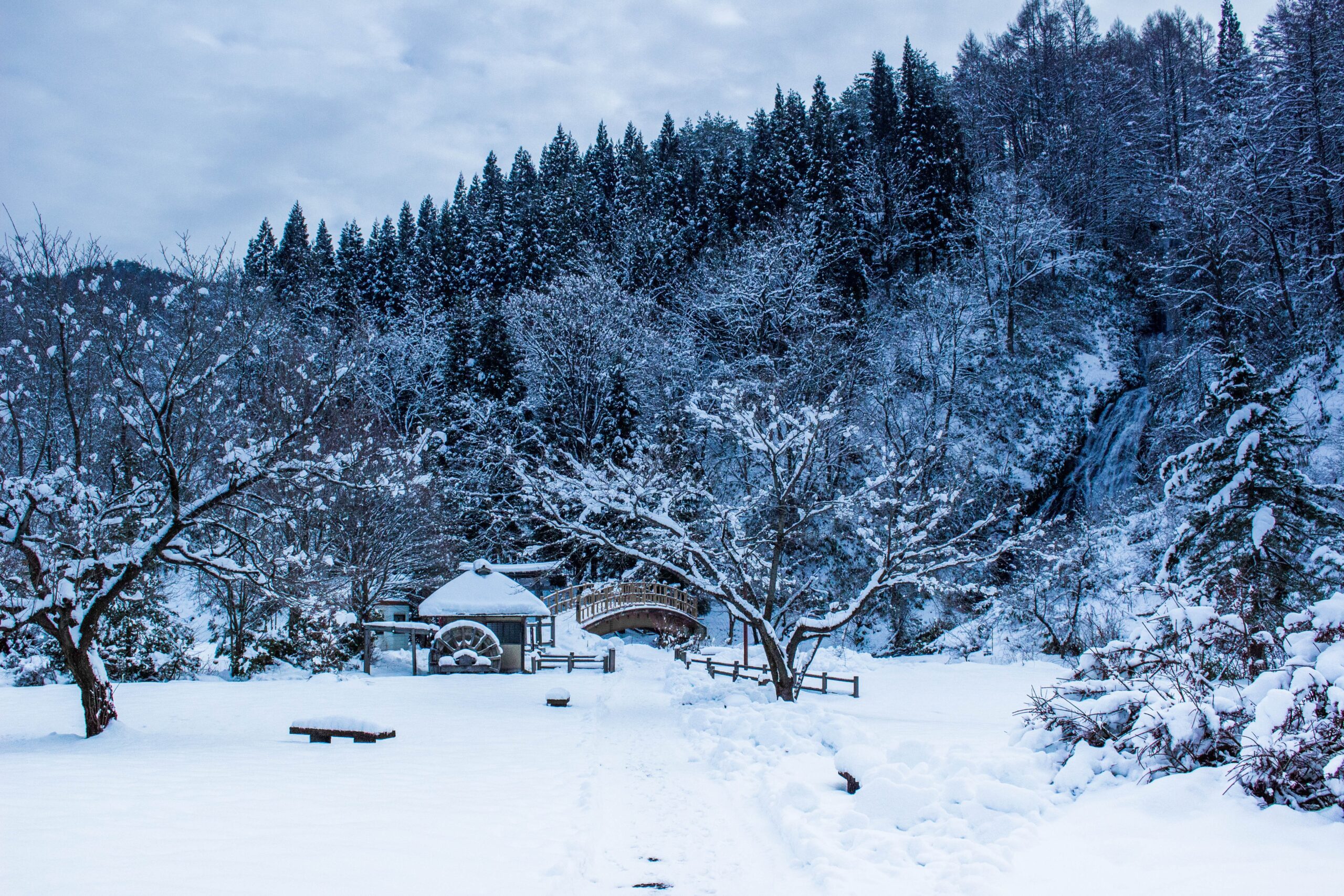
Inland areas of Ishikawa are shaped by agriculture and weather. Winters demand preparation and cooperation, while warmer months bring intense activity. Rural communities adapt their routines accordingly, emphasizing mutual support.
Life in these areas is structured but not rigid. Tasks shift with the seasons, and time is measured less by calendars than by conditions. This flexibility reflects a long-standing understanding of interdependence—between people, land, and climate.
For travelers, rural Ishikawa offers insight into a way of life that prioritizes stability over speed. The experience is not dramatic, but it is deeply instructive.
Looking for a tailor-made Japan travel experience?
Connecting the Urban and the Rural
What makes Ishikawa unique is not simply the presence of diverse landscapes, but how seamlessly they connect. Urban culture in Kanazawa draws from rural and coastal traditions rather than replacing them. Crafts produced in small towns appear in city shops and households. Food reflects ingredients sourced across the prefecture.
This continuity prevents fragmentation. Ishikawa feels cohesive despite its variety, united by shared values rather than centralized development.
Why These Areas Matter
Coastlines, countryside, and craft villages form the foundation upon which Ishikawa’s cultural identity rests. Without them, the prefecture’s refined urban image would feel incomplete.
For visitors willing to look beyond well-known destinations, these areas offer a more comprehensive understanding of Ishikawa. They reveal how tradition survives not through display, but through everyday work and relationships.
In these quieter spaces, Ishikawa’s deeper character becomes clear—resilient, thoughtful, and firmly rooted in place.

Create Your Own Travel Booking With Us
We specialize in crafting unforgettable journeys across Japan. Whether you’re a solo traveler, couple, or family, our expert planners, multilingual guides, and customer care team ensure your adventure is seamless and unique — from first click to final destination.
Create your travel booking website with us — and let your story unfold in Japan.