For many Japanese people, Ise Grand Shrine is not simply a famous destination—it is a place that represents the spiritual origin of the nation itself. Unlike temples or shrines known for impressive architecture or dramatic scenery, Ise’s significance lies in something quieter: continuity, renewal, and an enduring relationship between nature, belief, and daily life.
Understanding Ise Grand Shrine offers travelers rare insight into how spirituality functions in Japan, not as spectacle, but as a living foundation.
A Shrine Unlike Any Other
Ise Grand Shrine, formally known as Ise Jingū, is dedicated to Amaterasu Ōmikami, the sun goddess and the mythical ancestor of the Japanese Imperial Family. This connection places Ise at the highest level of Shinto belief, making it the most sacred shrine in the country.
Yet visitors often notice something unexpected upon arrival. The shrine buildings are simple, unpainted, and largely free of ornamentation. There are no grand statues, no dramatic gates, and no explanatory signs competing for attention. Instead, the focus remains on natural materials, open space, and quiet movement.
This simplicity is intentional. In Shinto belief, purity and balance are valued over permanence or display. Ise is not meant to impress—it is meant to endure.
If you’d like help planning a smooth and well-organized trip to Japan, our travel consultants are here to assist.
The Meaning of Renewal
One of the most distinctive aspects of Ise Grand Shrine is its ritual reconstruction, known as Shikinen Sengū. Every twenty years, the main shrine buildings are completely rebuilt using traditional methods and materials. The sacred objects are then transferred to the newly constructed structures in a solemn ceremony.
To outsiders, rebuilding something sacred so frequently may seem counterintuitive. In many cultures, age adds value. In Ise, renewal itself is sacred. The practice symbolizes the continuous cycle of life, death, and rebirth, ensuring that knowledge, skills, and spiritual responsibility are passed from one generation to the next.
This philosophy offers a powerful lens through which to understand Japanese attitudes toward time and tradition. What matters is not preserving objects indefinitely, but preserving meaning through action.
Pilgrimage and the Journey Itself
Historically, visiting Ise was considered a once-in-a-lifetime pilgrimage for ordinary people. During the Edo period, mass pilgrimages known as Okage Mairi saw millions of people traveling on foot from across Japan. For many, the journey itself was as important as reaching the shrine.
Today, the physical hardship of such pilgrimages has largely disappeared, but the emotional significance remains. Many Japanese still describe their visit to Ise as something deeply personal rather than touristic.
Walking along the gravel paths beneath towering cedar trees, visitors are encouraged to move quietly, observe respectfully, and reflect. There is no prescribed way to “experience” Ise—only an invitation to be present.

Planning a trip to Japan and not sure where to start? We’re happy to help you design a journey that fits your travel style.
Nature as Sacred Space
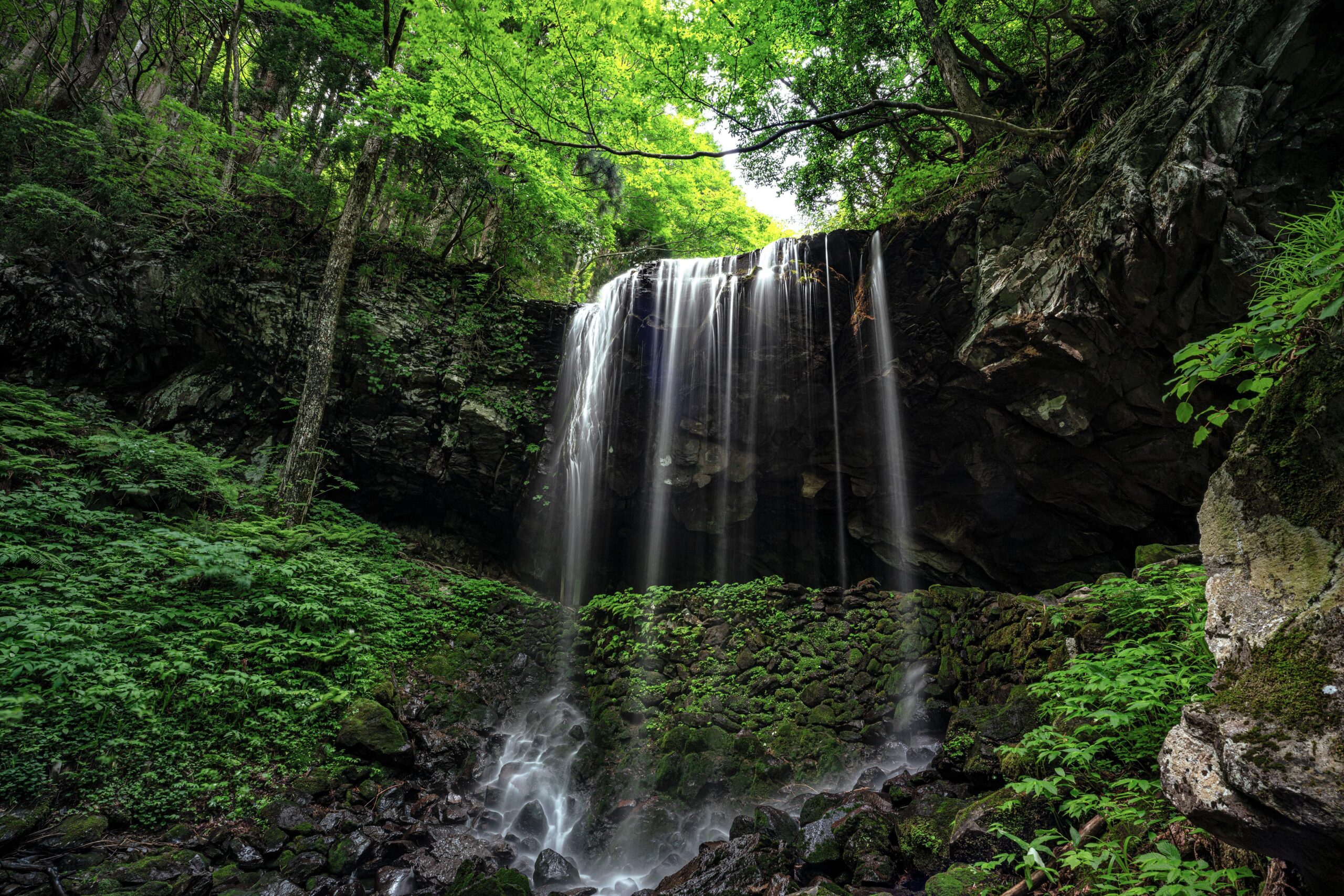
At Ise Grand Shrine, nature is not a backdrop—it is an essential part of the sacred space. The shrine complex is set within an ancient forest, carefully protected for centuries. Trees, rivers, and stones are treated with the same reverence as the buildings themselves.
This integration of belief and environment reflects core Shinto values. Rather than separating the sacred from the natural world, Shinto recognizes divinity within it. For travelers, this creates an atmosphere that feels both grounded and transcendent.
Even visitors unfamiliar with Japanese religion often sense a difference here: a calm that feels earned rather than curated.
Visiting Ise as a Cultural Experience
While Ise Grand Shrine welcomes visitors from around the world, it does not adapt itself to tourism trends. There are no performances, no dramatic storytelling displays, and minimal signage. Instead, visitors are expected to observe, learn quietly, and follow basic etiquette.
This approach may feel unfamiliar, but it offers a rare opportunity to engage with a place on its own terms. Respectful curiosity is rewarded with a deeper understanding of how spirituality functions in everyday Japanese life—not as something separate, but as something woven into routine and landscape.

From itinerary planning to local recommendations, our consultation service helps you travel Japan with ease and confidence.
Why Ise Still Matters Today
In a rapidly modernizing society, Ise Grand Shrine remains a point of stability. Its continued relevance lies not in resisting change, but in demonstrating how tradition can adapt without losing its essence.
For travelers seeking cultural depth rather than visual spectacle, Ise offers something increasingly rare: a place where belief, environment, and community remain in balance.
Understanding Ise is not about learning facts or rituals. It is about recognizing a way of thinking—one that values renewal over permanence, humility over display, and continuity over novelty.
As part of a journey through Mie Prefecture, Ise Grand Shrine provides essential context. It explains why this region feels different, and why its quieter landscapes, coastal villages, and traditions carry such lasting meaning.
In the next article, we will move from spiritual forests to open horizons, exploring Mie’s coastline and the everyday life shaped by the sea.

Create Your Own Travel Booking With Us
We specialize in crafting unforgettable journeys across Japan. Whether you’re a solo traveler, couple, or family, our expert planners, multilingual guides, and customer care team ensure your adventure is seamless and unique — from first click to final destination.
Create your travel booking website with us — and let your story unfold in Japan.