While Mie Prefecture is often associated with its coastline and seafood culture, much of its character lies inland—where mountains rise, villages are scattered, and time seems to move at a gentler pace. Away from the ocean, a different rhythm defines daily life, shaped by forests, rivers, and long-established rural traditions.
This is a side of Mie that rewards patience and curiosity.
A Landscape Shaped by Forests and Valleys
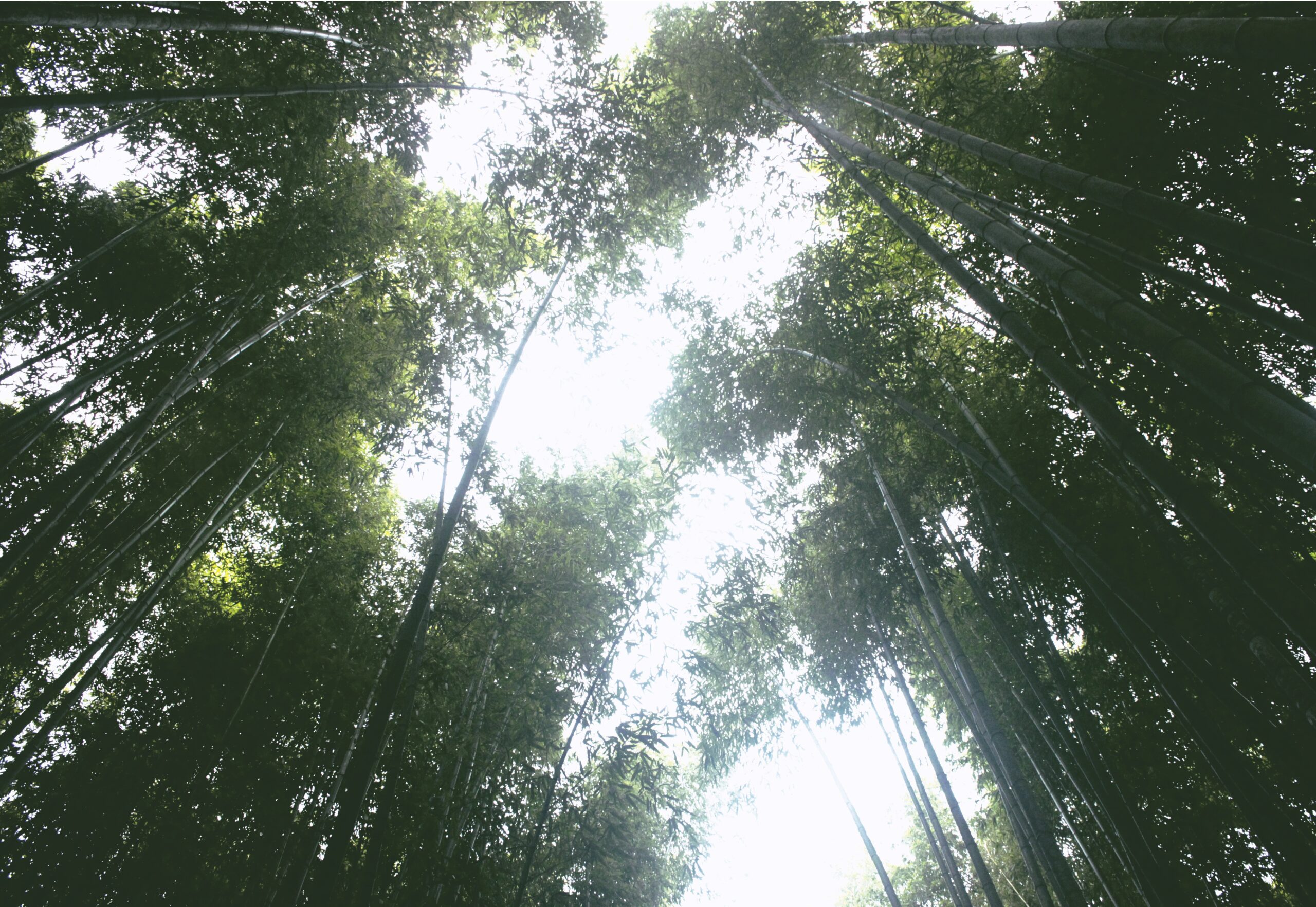
Inland Mie is dominated by mountains and wooded terrain, with narrow valleys connecting small settlements. Forests play a central role here, not only visually but economically and culturally. Timber, charcoal production, and forest management have long supported local communities.
Rather than untouched wilderness, these landscapes reflect generations of interaction between people and nature. Paths, terraced fields, and maintained forests show careful balance—use without excess.
For visitors, the scenery feels calm and deeply lived-in.
Villages Where Everyday Life Takes Center Stage
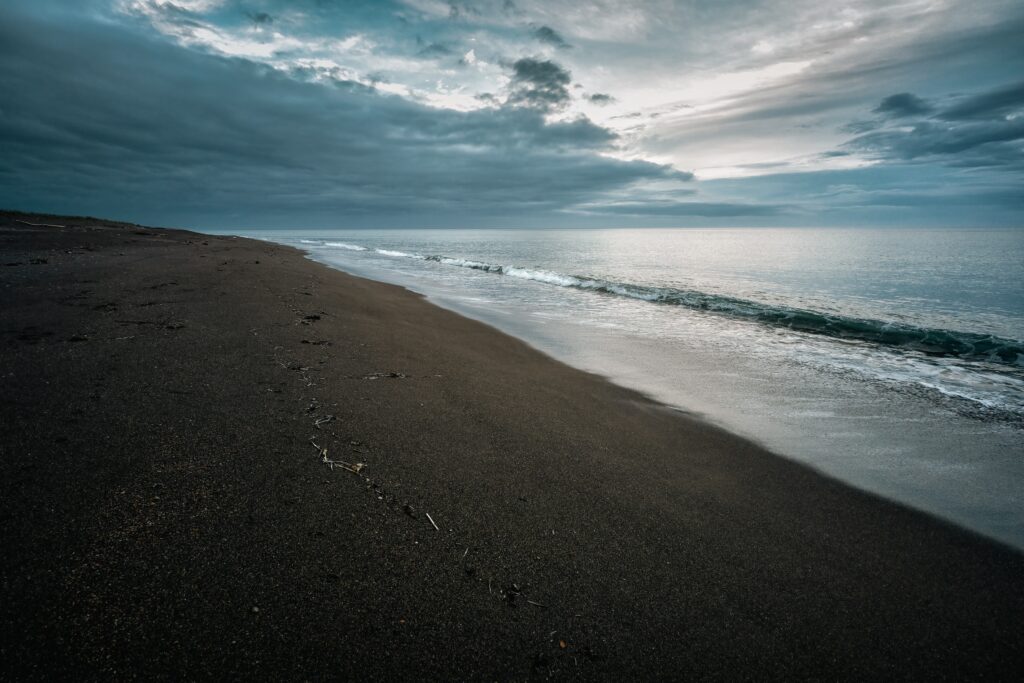
Rural villages in Mie are modest in scale. Homes cluster along winding roads, fields stretch out behind them, and daily routines follow agricultural cycles rather than external schedules.
There is little separation between “living” and “working” spaces. Farming, food preparation, and family life coexist closely, creating a sense of continuity that is increasingly rare.
Travelers passing through often notice how quietly things operate—no rush, no spectacle, just steady repetition.
Planning a trip to Japan and not sure where to start? We’re happy to help you design a journey that fits your travel style.
Agriculture and Local Self-Sufficiency
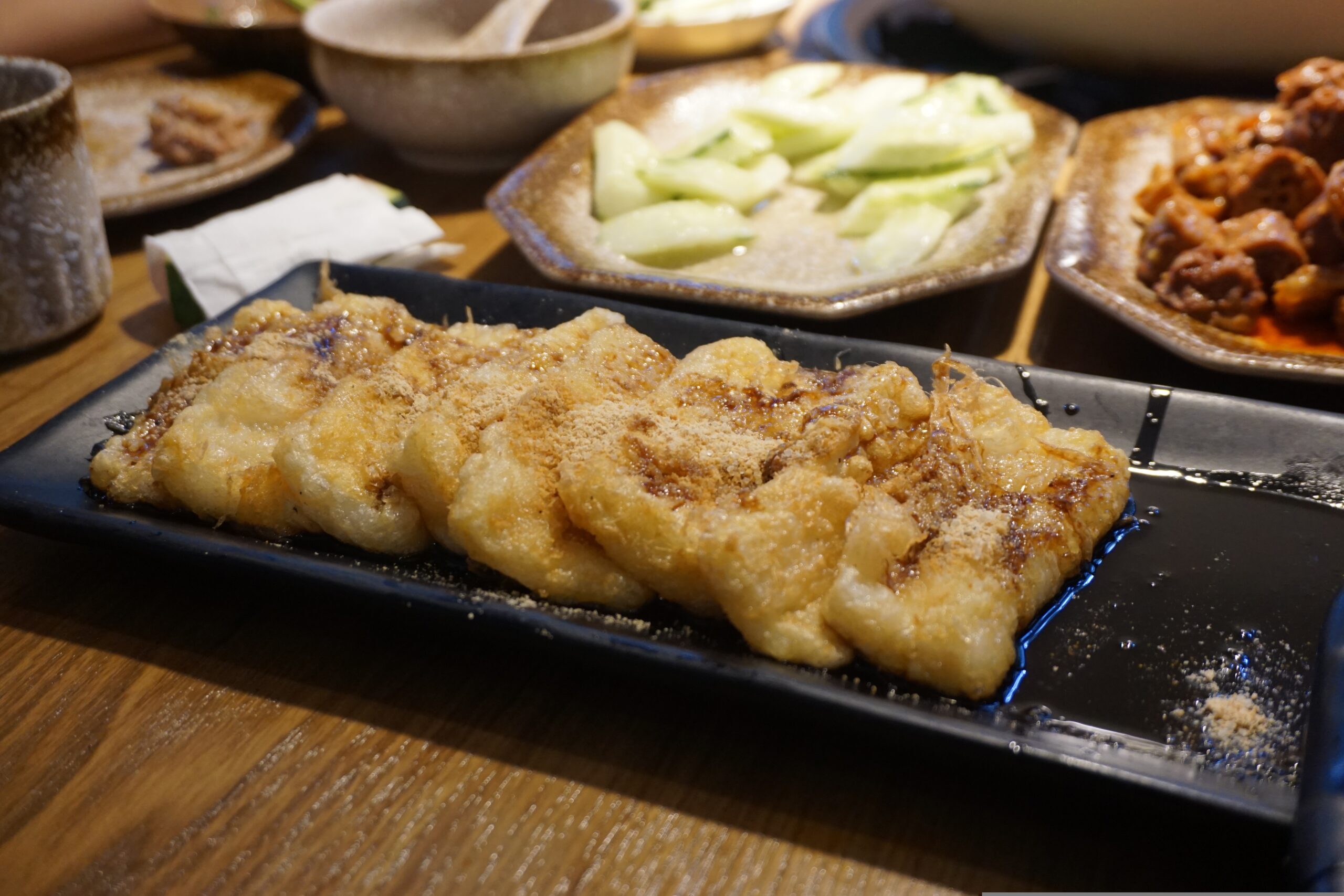
Inland Mie’s cuisine begins in its fields. Rice paddies, vegetable farms, and small orchards supply local households and markets. Many communities maintain a strong sense of self-sufficiency, producing food primarily for nearby consumption.
Seasonal changes directly influence daily meals. What appears on the table reflects what the land offers at that moment, reinforcing awareness of time and place.
This relationship between land and diet adds depth to even the simplest dishes.
Rivers as Lifelines
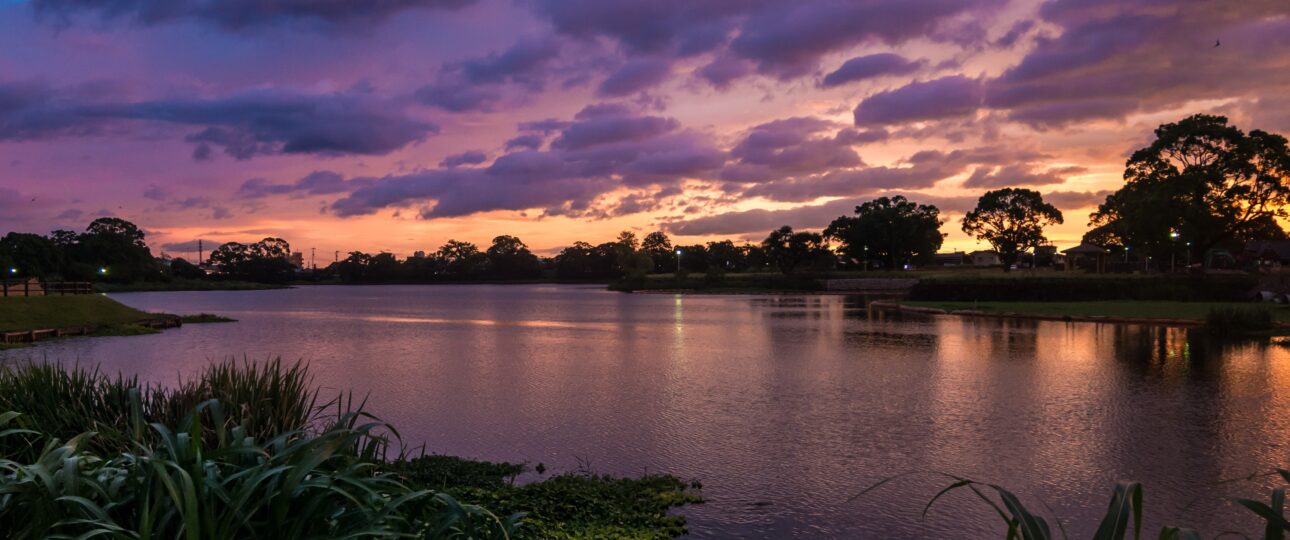
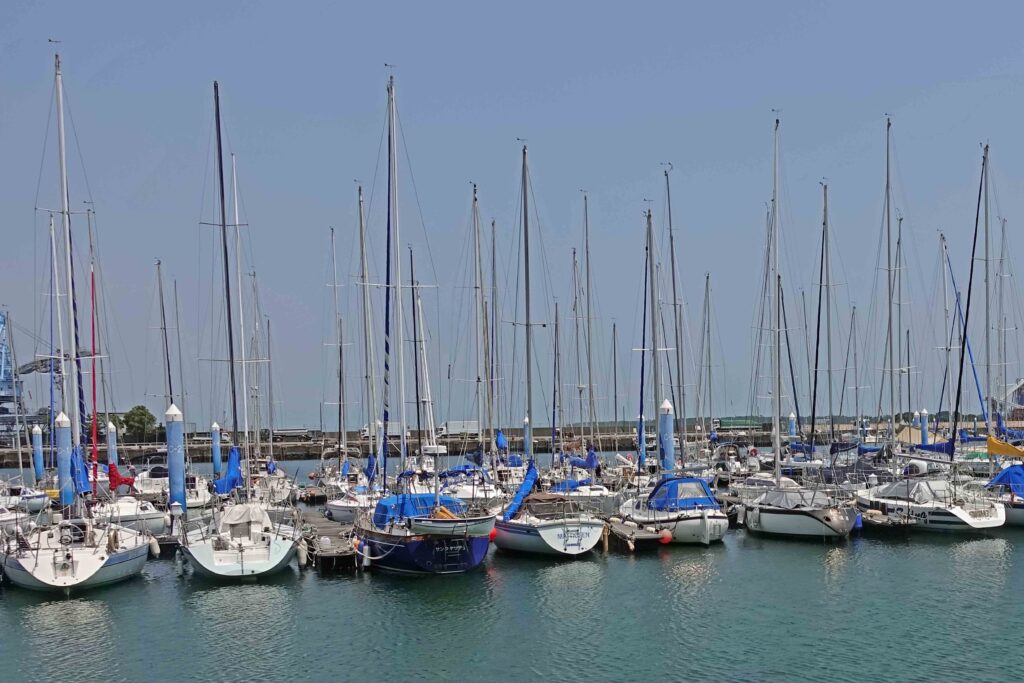
Rivers flowing from the mountains serve as lifelines for inland communities. They support agriculture, provide drinking water, and shape settlement patterns. Historically, they also functioned as transport routes and natural boundaries.
Even today, rivers remain central gathering points—places to cool off in summer, to fish, or simply to walk alongside during quiet evenings.
The presence of water softens the mountainous terrain and connects scattered villages into a shared landscape.

From itinerary planning to local recommendations, our consultation service helps you travel Japan with ease and confidence.
Slower Rhythms, Deeper Attention
Life inland moves at a pace defined by daylight, weather, and seasonal work. This slower rhythm encourages attentiveness—to changes in temperature, to the condition of crops, to small shifts in the environment.
Such awareness often extends to human interactions. Conversations take their time, hospitality feels unforced, and relationships develop gradually rather than instantly.
For visitors accustomed to fast-paced travel, this can feel like an adjustment—but also a relief.
Modern Life in a Rural Setting
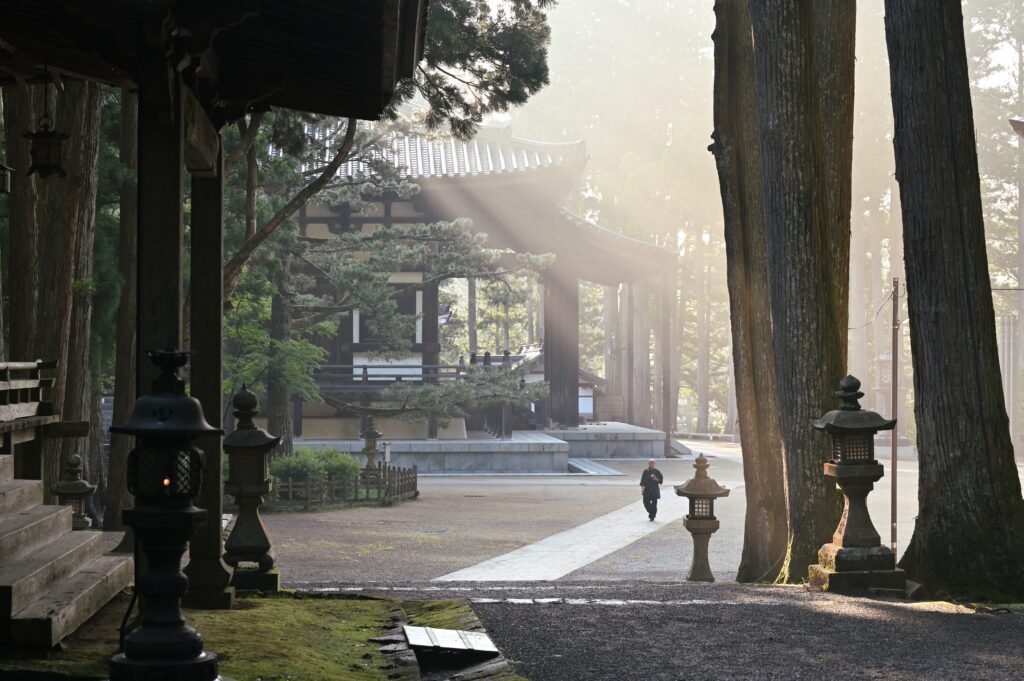
Despite their traditional appearance, inland communities in Mie are not frozen in time. Modern tools, transportation, and communication coexist with long-established ways of living. The challenge lies in maintaining balance: adapting without erasing identity.
Some villages actively work to preserve local knowledge and landscapes, recognizing their value not only culturally but also environmentally.
These efforts reflect quiet resilience rather than dramatic change.
Looking for a tailor-made Japan travel experience?
Why Inland Mie Matters
Inland Mie offers insight into how people live when closely tied to land rather than tourism or industry. It shows a Japan built on continuity, adaptation, and respect for natural limits.
Together with the coastal regions, these inland areas complete the picture of Mie Prefecture—revealing a place defined not by a single image, but by interconnected ways of life.
In the final article, we will look at how these elements—sea, mountains, spirituality, and daily life—come together to shape Mie’s overall identity.

Create Your Own Travel Booking With Us
We specialize in crafting unforgettable journeys across Japan. Whether you’re a solo traveler, couple, or family, our expert planners, multilingual guides, and customer care team ensure your adventure is seamless and unique — from first click to final destination.
Create your travel booking website with us — and let your story unfold in Japan.