
While Fukui Prefecture is often described as quiet or understated, its spiritual influence on Japanese culture is profound. At the center of this legacy stands Eiheiji Temple, one of the most important Zen Buddhist temples in Japan and the spiritual heart of Fukui. Founded in 1244 by Zen master Dōgen, Eiheiji is not merely a historical site—it is a living monastery where Zen practice continues uninterrupted to this day.
For travelers seeking a deeper understanding of Japan beyond surface-level sightseeing, Fukui offers something rare: an opportunity to encounter Zen not as an abstract concept, but as a way of life.
Eiheiji Temple: More Than a Tourist Attraction
Nestled deep in the cedar forests outside Fukui City, Eiheiji Temple feels deliberately removed from the modern world. The journey itself sets the tone—winding roads, towering trees, and gradually fading city sounds prepare visitors for a space defined by stillness and intention.
Unlike many famous temples that function primarily as sightseeing spots, Eiheiji remains an active training monastery. Hundreds of monks live, study, and practice here year-round, following strict routines centered on meditation, work, and mindfulness. Visitors are welcomed, but the temple’s primary purpose has never shifted: the pursuit of enlightenment through disciplined daily practice.
This distinction is immediately noticeable. The atmosphere is calm and solemn, and the temple grounds are designed to guide visitors into quiet observation rather than photo-taking or casual wandering.
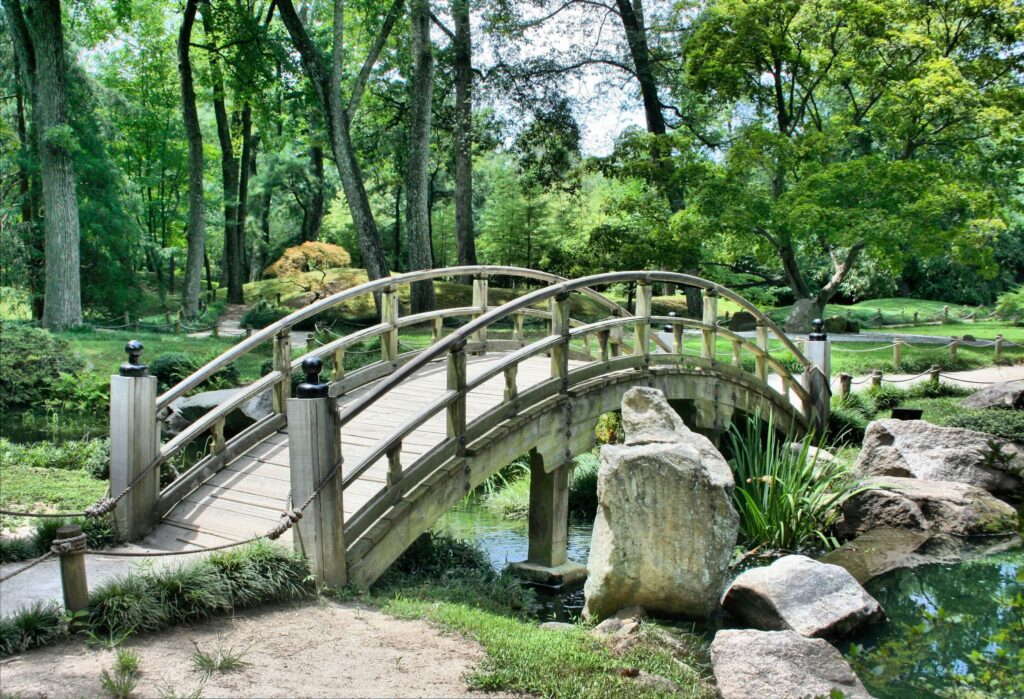
Understanding Zen Through Architecture and Space
Eiheiji’s architecture reflects Zen philosophy in physical form. Wooden corridors connect more than 70 buildings, encouraging slow, mindful movement. Natural light filters softly through paper screens, while the scent of incense and cedar wood subtly fills the air.
There is nothing extravagant about the design. Instead, beauty emerges from balance, restraint, and harmony with nature. Every element—from stone steps worn smooth by centuries of footsteps to moss-covered paths—serves as a reminder of impermanence and simplicity.
Walking through Eiheiji, visitors often find themselves instinctively lowering their voices and slowing their pace. The space itself teaches Zen without words.

From itinerary planning to local recommendations, our consultation service helps you travel Japan with ease and confidence.
Daily Practice and Living Zen
Zen at Eiheiji is not confined to meditation halls. It is embedded in every action, including cleaning, cooking, and walking. Monks practice mindfulness through repetition and discipline, treating ordinary tasks as opportunities for spiritual refinement.
For visitors, observing these routines offers valuable insight into the Japanese concept of mindfulness. Zen is not about escape from daily life, but about engaging fully with it—an idea that continues to influence Japanese culture, from tea ceremony and calligraphy to modern design and hospitality.
Some travelers choose to participate in short Zen experiences or temple stays offered in the surrounding area, allowing them to experience early mornings, silent meals, and seated meditation. Even brief exposure can be deeply impactful, offering a sense of clarity rarely found in busy travel itineraries.
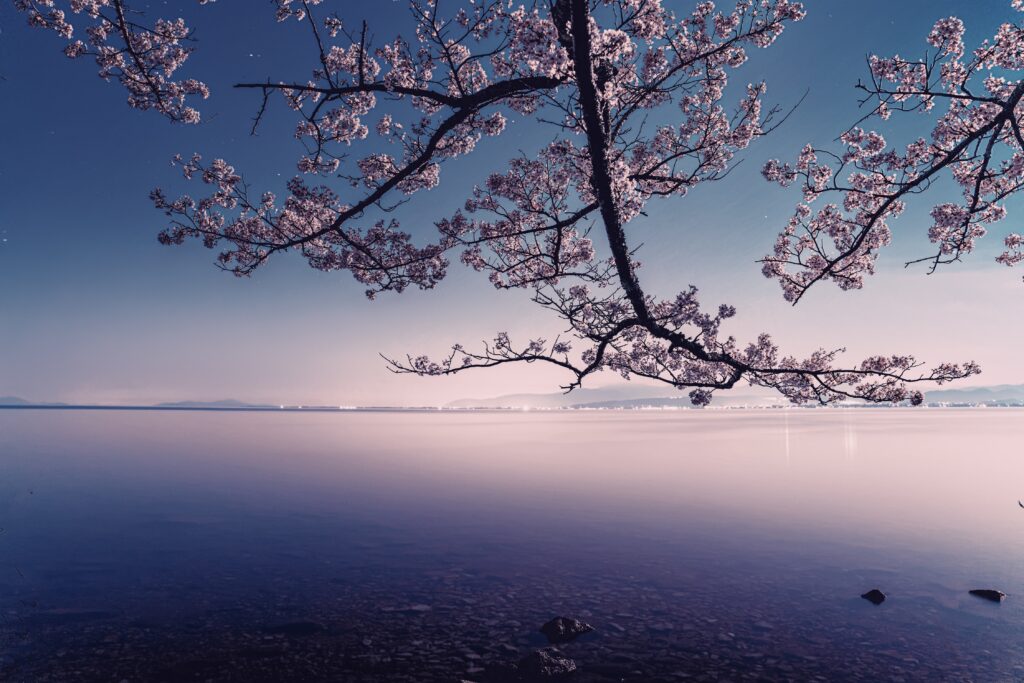
The Role of Zen in Fukui’s Local Culture
Eiheiji’s influence extends far beyond temple grounds. Zen philosophy has shaped Fukui’s approach to craftsmanship, cuisine, and daily life. Simplicity, precision, and respect for materials are common threads across the region.
Local food culture emphasizes seasonal ingredients and balanced flavors rather than heavy seasoning or excess. Traditional crafts focus on function and durability as much as beauty. Even rural landscapes reflect an understated harmony between human activity and nature.
This quiet consistency gives Fukui a cohesive cultural identity—one that feels deeply rooted rather than curated for visitors.

Looking for a tailor-made Japan travel experience?
Why Zen Travelers Are Drawn to Fukui
In an era when many travelers seek wellness, mindfulness, and meaningful experiences, Fukui offers an authentic alternative to commercialized retreats. Zen here is not a trend or a product; it is a living tradition maintained with sincerity and discipline.
Travelers interested in spiritual exploration, slow travel, or cultural depth often find Fukui unexpectedly powerful. The absence of crowds allows for personal reflection, while the presence of living tradition provides substance and context.
Rather than leaving with souvenirs, visitors often leave with a shift in perspective—an appreciation for stillness, intention, and simplicity.
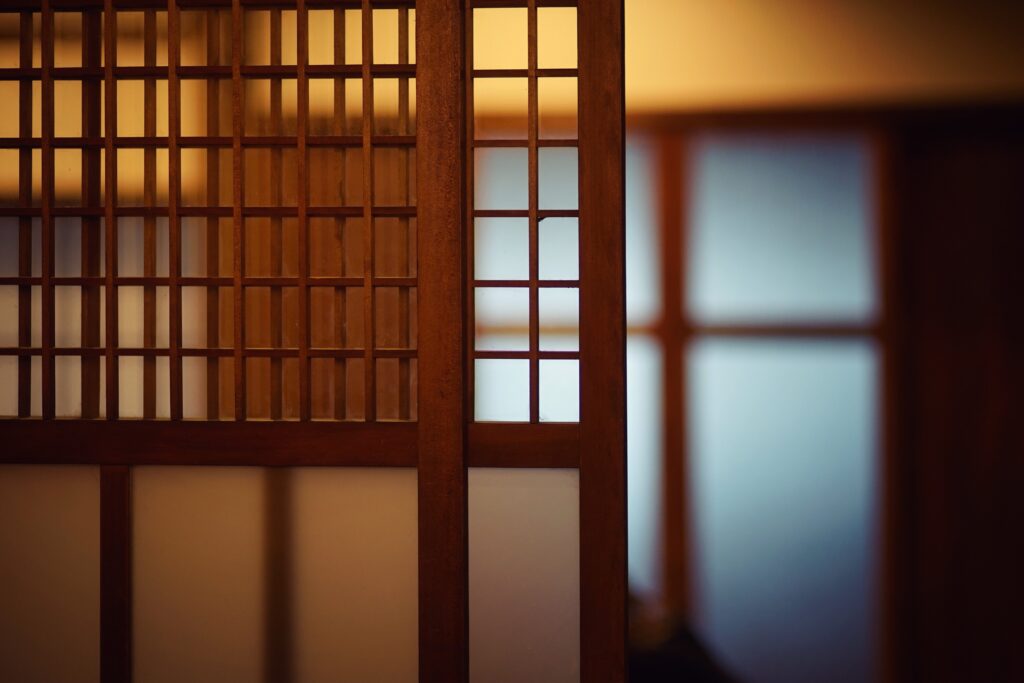
A Quiet Encounter That Leaves a Lasting Impression
Experiencing Zen in Fukui is not about dramatic revelations or instant transformation. Its impact is subtle, unfolding gradually through silence, repetition, and attention to detail. Eiheiji does not explain Zen—it invites visitors to feel it.
For those willing to slow down and observe, Fukui reveals a side of Japan that is increasingly rare: one grounded in discipline, humility, and respect for time. In the broader journey through Fukui Prefecture, Zen is not just a theme—it is the foundation upon which everything else quietly stands.

Create Your Own Travel Booking With Us
We specialize in crafting unforgettable journeys across Japan. Whether you’re a solo traveler, couple, or family, our expert planners, multilingual guides, and customer care team ensure your adventure is seamless and unique — from first click to final destination.
Create your travel booking website with us — and let your story unfold in Japan.