When travelers think of Gunma Onsen, names like Kusatsu and Ikaho often come first. These towns have earned their reputations through centuries of history and visibility. Yet beyond these well-known destinations lies another side of Gunma’s hot spring culture—one defined by quiet valleys, small communities, and baths that feel deeply connected to the surrounding landscape.
Exploring Gunma Onsen beyond the famous towns reveals a more intimate experience. Here, hot springs are not centerpieces of bustling resorts, but part of everyday life, woven naturally into mountains, rivers, and rural settlements.
Small Onsen Towns and Hidden Valleys
Scattered across Gunma’s mountainous terrain are lesser-known onsen areas that rarely appear in mainstream travel itineraries. These towns may lack iconic landmarks, but they offer something equally valuable: space, silence, and a sense of discovery.
In these areas, ryokan are often small and family-run, with only a handful of rooms. Guests may find themselves sharing baths with locals or enjoying open-air pools that overlook forests and streams. The absence of crowds allows visitors to fully appreciate the texture of Gunma Onsen—its steam rising into cool air, the sound of flowing water, and the natural rhythm of the countryside.
Nature as Part of the Bathing Experience
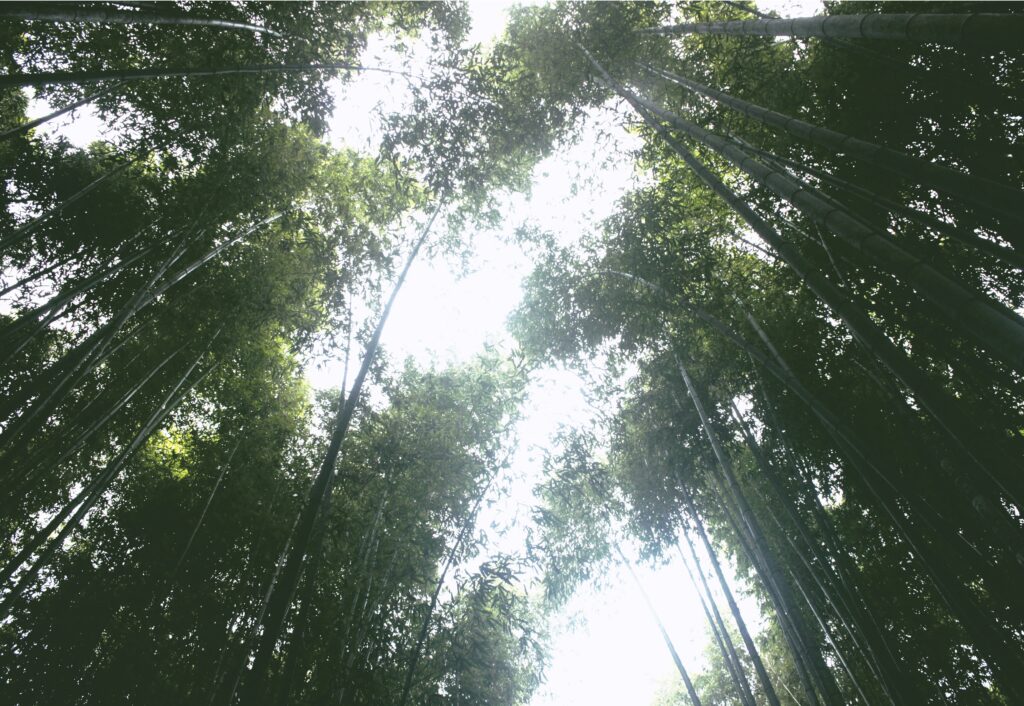
What distinguishes many of Gunma’s lesser-known hot springs is their close relationship with nature. Baths are frequently positioned to maximize views of surrounding mountains, rivers, or seasonal foliage. Outdoor baths, in particular, blur the boundary between bathing and landscape.
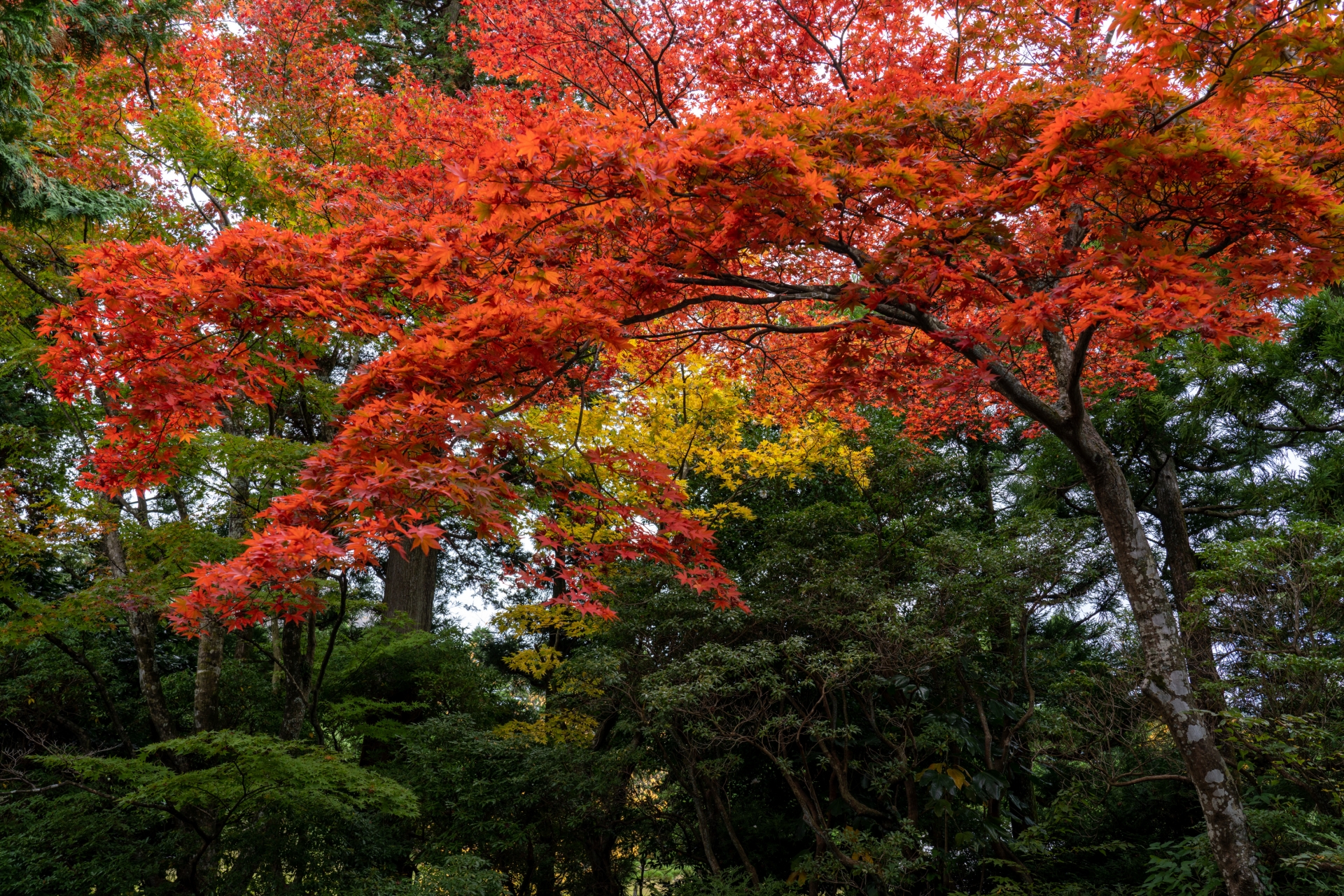
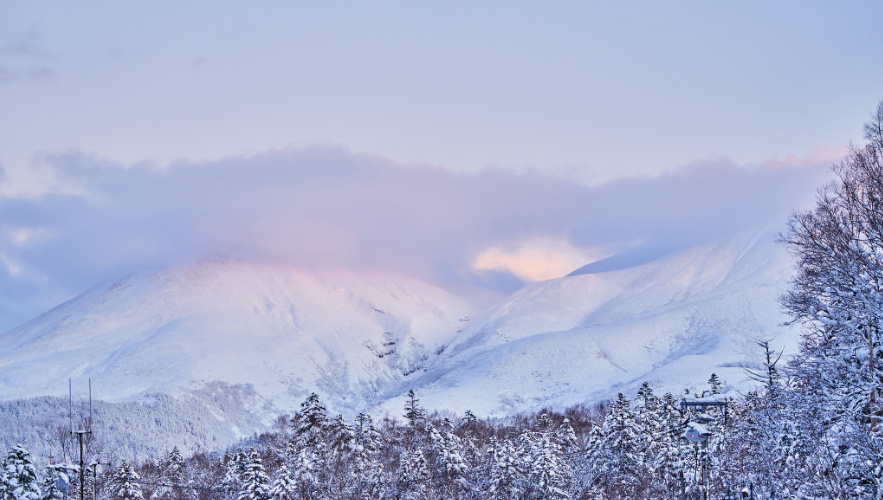
In spring and summer, greenery frames the experience, while insects and birds provide subtle background sounds. Autumn brings vibrant foliage reflected on the water’s surface, and winter transforms outdoor baths into secluded sanctuaries surrounded by snow. These seasonal changes reinforce the idea that Gunma Onsen is not a static attraction, but a living environment.
Planning a trip to Japan and not sure where to start? We’re happy to help you design a journey that fits your travel style.
Long-Stay Culture and Quiet Healing
Many of these smaller onsen areas have historically welcomed long-term guests. People once stayed for weeks at a time, following a routine of repeated bathing, rest, and simple meals. This culture of extended stays remains visible today, even if modern travel schedules are shorter.
Visitors who choose these quieter locations often adopt a slower pace naturally. Days are structured around baths rather than sightseeing lists. Walking, reading, and resting become central activities, echoing older traditions of onsen as places for recovery and reflection.

Accessibility Without Isolation
Although these onsen towns feel remote, many are surprisingly accessible. Well-maintained roads and regional rail connections make it possible to reach them without excessive effort. This balance between accessibility and seclusion is a defining strength of Gunma Onsen beyond the main resorts.
Travelers can move easily from lively towns like Kusatsu to more tranquil areas, experiencing different interpretations of hot spring culture within a single trip. This variety allows Gunma to appeal to both first-time visitors and repeat travelers seeking depth.
From itinerary planning to local recommendations, our consultation service helps you travel Japan with ease and confidence.
Community-Centered Hot Springs
In smaller Gunma Onsen towns, hot springs often serve the local community first and visitors second. Public bathhouses remain important social spaces, and seasonal events may revolve around shared use of the baths.
This community-centered approach creates an atmosphere that feels genuine rather than performative. Guests are welcomed, but not catered to excessively. Instead, they are invited to adapt to local customs and rhythms, fostering mutual respect between residents and travelers.
A Different Kind of Discovery
Choosing to explore Gunma Onsen beyond the famous towns shifts the focus of travel. The experience becomes less about checking off well-known sites and more about observation and presence. Small details—a handwritten sign, a quiet morning bath, the sound of wind through trees—take on greater significance.
These moments often leave lasting impressions precisely because they are unplanned and personal. They represent a form of travel that values depth over breadth, aligning naturally with the restorative purpose of hot springs.
Looking for a tailor-made Japan travel experience?
Why These Places Matter
Within the broader Gunma Onsen landscape, lesser-known towns play a crucial role. They preserve traditions of long stays, communal bathing, and close relationships with nature that larger resorts may struggle to maintain.
They also offer an alternative vision of what onsen travel can be: slower, quieter, and more inward-looking. For travelers willing to venture slightly off the main routes, Gunma reveals a side of its hot spring culture that feels timeless and deeply human.

Create Your Own Travel Booking With Us
We specialize in crafting unforgettable journeys across Japan. Whether you’re a solo traveler, couple, or family, our expert planners, multilingual guides, and customer care team ensure your adventure is seamless and unique — from first click to final destination.
Create your travel booking website with us — and let your story unfold in Japan.