Kanagawa is often experienced in fragments. A coastal view here, a historic temple there, a mountain path or a hot spring town visited briefly between larger destinations. Yet the essence of Kanagawa reveals itself not in highlights, but in what happens when time is allowed to stretch.
This is a place best understood slowly, through repetition, routine, and quiet observation. Beyond landmarks and itineraries, Kanagawa offers a way of traveling that feels less like sightseeing and more like temporary living.
A Region Designed for Daily Life
Unlike destinations built around a single attraction, Kanagawa functions first and foremost as a place where people live. Its towns are shaped by daily needs rather than visitor expectations.
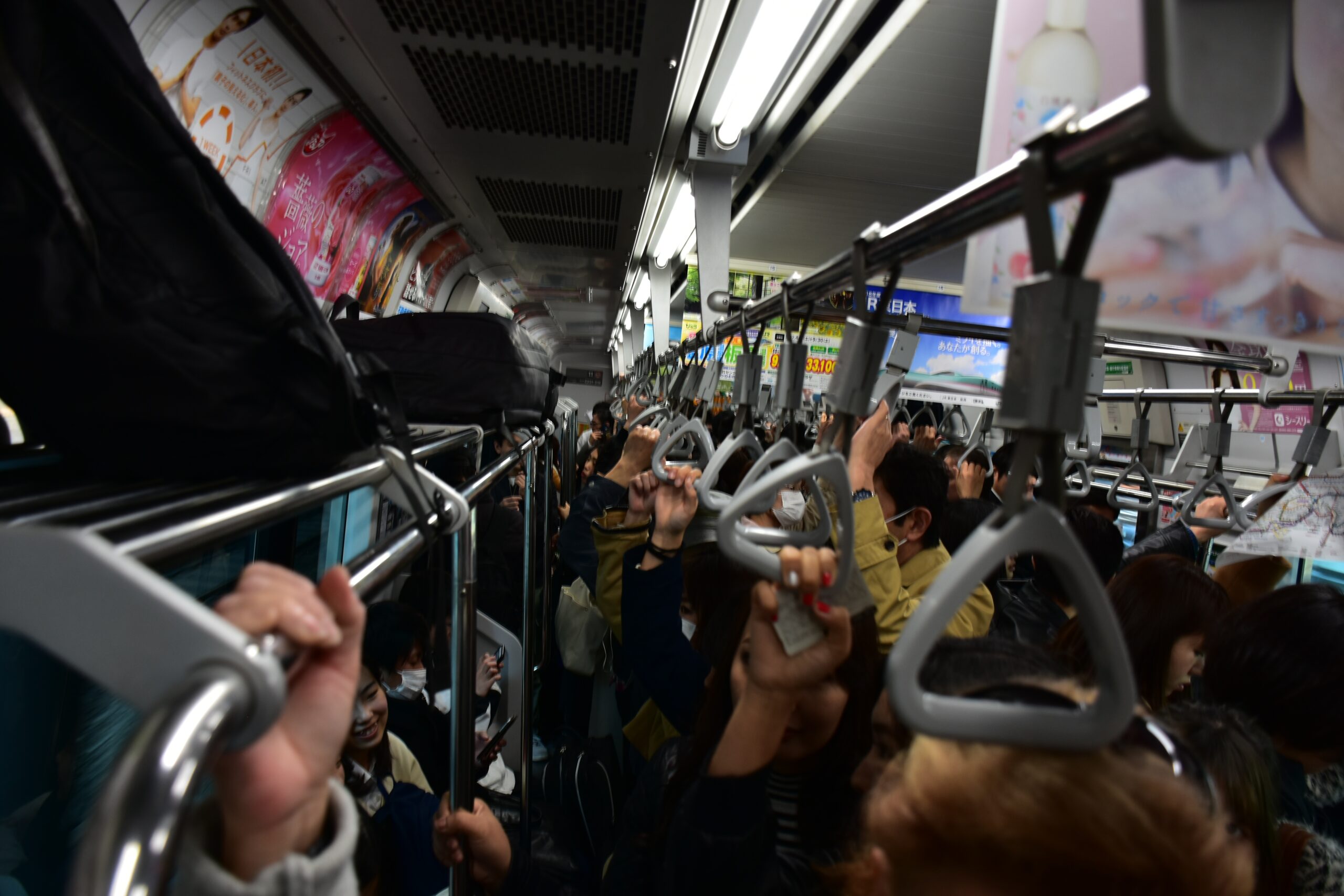
Local shopping streets remain active, serving residents rather than tourists. Cafés open early for commuters. Small parks fill with families and retirees rather than crowds with cameras. These ordinary spaces form the true texture of the region.
Spending time in Kanagawa means adjusting expectations—finding interest in what is repeated rather than what is rare.
The Quiet Appeal of Staying Longer
Kanagawa rewards those who stay longer. With each passing day, details emerge that would otherwise go unnoticed.
Morning routines become familiar. The sound of trains, waves, or temple bells settles into the background. Routes once confusing begin to feel natural. In this way, travel shifts from observation to participation.
This gradual familiarity creates a sense of belonging, even if temporary. Kanagawa does not overwhelm; it invites.

For travelers seeking a personalized and stress-free Japan journey, our consultation service offers expert guidance every step of the way.
Hot Spring Towns Without Performance
Kanagawa’s onsen towns are often associated with relaxation, but their deeper value lies in rhythm. These are places designed around rest, not entertainment.
Bathing follows an unhurried pattern. Meals emphasize seasonality and local sourcing. Evenings are quiet, structured around recovery rather than stimulation.
In these settings, visitors experience a pace that contrasts sharply with urban schedules. Time feels less segmented, encouraging rest not just of the body, but of attention.
Everyday Landscapes as Experience
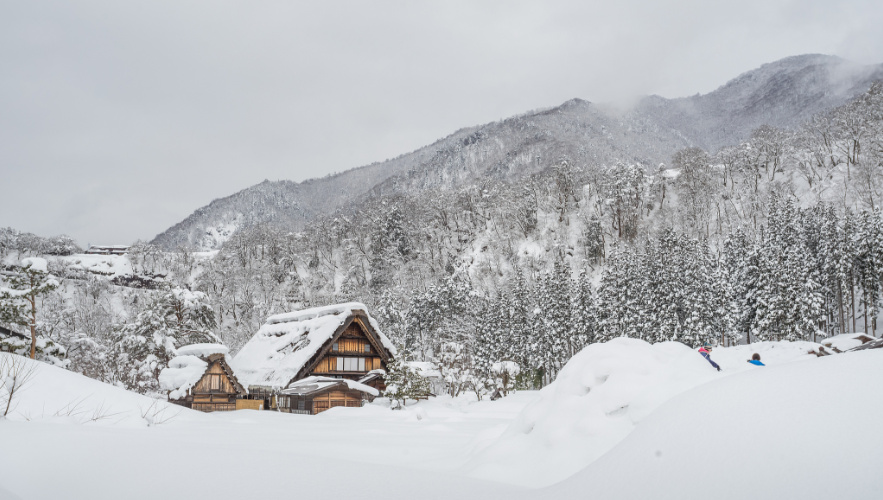
In Kanagawa, landscapes are part of daily life rather than destinations in themselves. Coastal paths serve both walkers and fishermen. Forest trails are used for exercise and maintenance, not only recreation.
This integration creates a sense of continuity. Nature does not exist apart from people; it surrounds them, supports them, and shapes their habits.
Observing how locals move through these spaces offers insight into a relationship built on familiarity rather than novelty.
Food as Routine, Not Event
Kanagawa’s food culture reflects its everyday orientation. Meals are rarely extravagant, but consistently thoughtful.
Seasonal ingredients appear naturally on menus without explanation. Regional flavors are maintained through repetition rather than promotion. Family-run establishments serve dishes refined over decades, not redesigned for trends.
Eating becomes a form of alignment with place—quiet, grounding, and reliable.
If you’d like help planning a smooth and well-organized trip to Japan, our travel consultants are here to assist.
Learning to Notice Less
One of Kanagawa’s strengths is its resistance to spectacle. There is little pressure to document or declare experiences extraordinary.
This absence creates space for noticing small changes: light shifting through streets, weather altering the mood of a coastline, the tempo of a neighborhood changing throughout the day.
Travel here becomes less about collecting moments and more about experiencing continuity.
A Different Kind of Access
Kanagawa’s proximity to Tokyo often leads it to be treated as an extension of the city. Yet this closeness allows for a different kind of access—one that supports repeat visits, long stays, and flexible exploration.
Rather than requiring commitment to a single itinerary, Kanagawa allows travelers to adapt their pace and focus organically.
This accessibility makes it especially suited for travelers seeking depth over distance.
Travel That Respects Time
In Kanagawa, slowing down is not a performance or a retreat. It is simply how life functions.
By moving at the region’s natural pace, travelers gain a clearer understanding of how history, nature, and modern life coexist without tension.
Kanagawa does not ask to be seen all at once. It reveals itself gradually, through patience and presence.

Planning a trip to Japan and not sure where to start? We’re happy to help you design a journey that fits your travel style.
Leaving Without Completion
There is no sense of completion when leaving Kanagawa. No checklist fully satisfied, no definitive experience achieved.
Instead, visitors leave with familiarity rather than closure—a sense that something remains, continuing without them.
This feeling, more than any landmark, defines Kanagawa’s quiet appeal.

Create Your Own Travel Booking With Us
We specialize in crafting unforgettable journeys across Japan. Whether you’re a solo traveler, couple, or family, our expert planners, multilingual guides, and customer care team ensure your adventure is seamless and unique — from first click to final destination.
Create your travel booking website with us — and let your story unfold in Japan.