Kanagawa’s relationship with the sea is not defined by a single image. It is not just surf culture, nor purely traditional fishing towns, and certainly not only scenic viewpoints for quick photos. Instead, the coastline of Kanagawa unfolds gradually, shifting in mood and character as you move south and east—from the relaxed openness of Shonan to the quieter, more rugged edges of the Miura Peninsula.
For travelers willing to explore beyond the most famous beaches, Kanagawa’s coast reveals a layered identity shaped by daily life, seasonal rhythms, and a deep connection between land and ocean.
The Shonan Coast: Casual, Open, and Lived-In
The Shonan area is often associated with beaches, surfers, and summer crowds, but this reputation only tells part of the story. Stretching along the coast near Fujisawa, Chigasaki, and Hiratsuka, Shonan has long been a place where the sea blends seamlessly into everyday life.
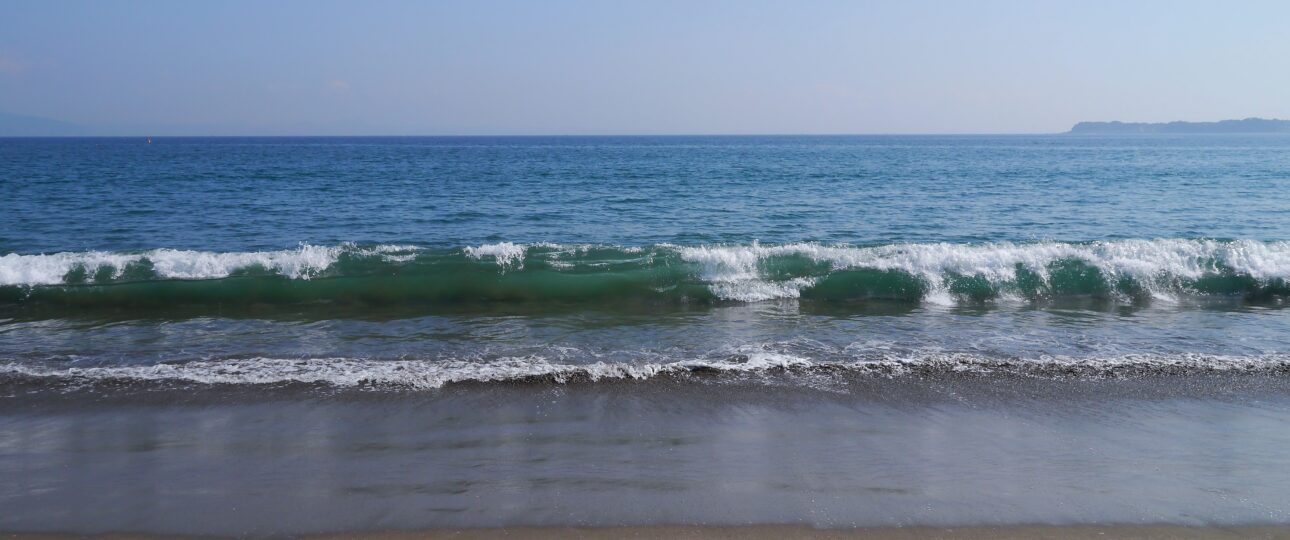
Here, the coastline feels open and accessible. Beaches are wide, skies feel expansive, and the sound of waves becomes a constant backdrop rather than a spectacle. Unlike resort-style destinations, Shonan does not separate visitors from locals. Joggers pass surfers carrying boards, families walk dogs at sunset, and small cafes open early to serve regulars rather than tourists alone.
This sense of normalcy is precisely what makes Shonan appealing. It is a place where people live with the ocean, not just visit it.
Beyond swimming and surfing, the area offers long seaside paths ideal for cycling or walking, particularly during early mornings and cooler seasons. In spring and autumn, the coast feels calmer, revealing a slower pace that contrasts sharply with nearby urban centers.
Coastal Towns With Individual Personalities
As you move along Kanagawa’s shoreline, one of the most striking features is how distinct each coastal town feels. Despite their geographic closeness, these areas have developed unique identities shaped by history, industry, and community.
Chigasaki, for example, carries a creative atmosphere influenced by music, surf culture, and independent businesses. Small shops and cafes often reflect personal taste rather than commercial trends, giving the town a relaxed, expressive feel.
Further along, smaller seaside neighborhoods feel more residential and understated. Here, coastal shrines, local fishmongers, and modest harbors define daily life. These are not places built to impress, but places that quietly endure.
The coastline becomes less about “things to do” and more about how it feels to be there—watching fishing boats return in the late afternoon, listening to the wind move through coastal pines, or simply sitting by the water as the light changes.
Planning a trip to Japan and not sure where to start? We’re happy to help you design a journey that fits your travel style.
Entering the Miura Peninsula: A Shift in Atmosphere
The Miura Peninsula marks a clear transition in Kanagawa’s coastal landscape. Compared to Shonan’s openness, Miura feels more enclosed, rugged, and intimate. Cliffs rise closer to the sea, roads narrow, and towns feel more self-contained.
Fishing remains central to life here. Harbors are active but practical, focused on work rather than tourism. Markets reflect what is caught locally, and menus often change based on the day’s conditions at sea.
The peninsula’s geography encourages exploration. Coastal paths, small coves, and elevated viewpoints offer different perspectives on the ocean, often without crowds. Unlike more famous scenic spots, many of these locations feel undiscovered—not because they are hidden, but because they require time and intention to reach.
This sense of effort makes the experience more rewarding.
The Ocean as a Way of Life
What truly defines Kanagawa’s coastline is not its beauty alone, but the way the ocean shapes daily routines. Fishing schedules influence local business hours. Seasonal changes affect both diet and festivals. Weather patterns determine when boats leave harbor and when beaches remain quiet.
Visitors who stay overnight begin to notice these rhythms. Mornings start early in fishing towns, with activity concentrated around harbors and markets. Midday slows, especially outside peak seasons, and evenings feel calm rather than lively.
This rhythm contrasts with the energy of Tokyo and even Yokohama, offering a different understanding of coastal Japan—one rooted in continuity rather than spectacle.
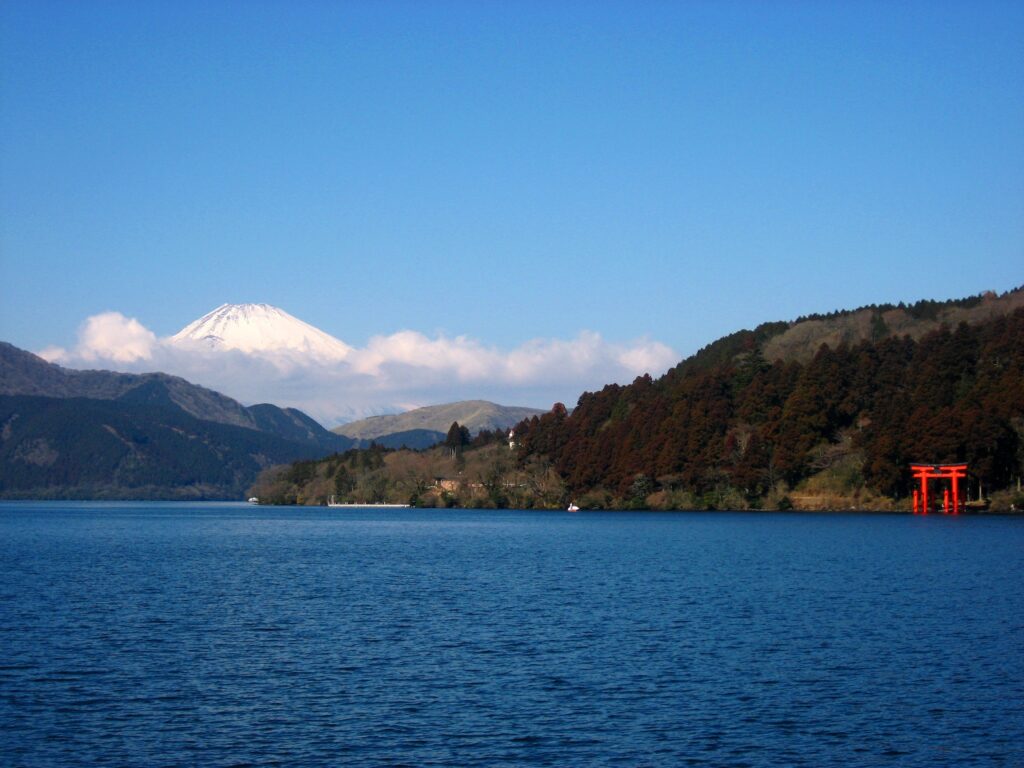
From itinerary planning to local recommendations, our consultation service helps you travel Japan with ease and confidence.
Food Along the Coast: Freshness Over Complexity
Kanagawa’s coastal cuisine reflects restraint and respect for ingredients. Seafood is often prepared simply, allowing freshness to take center stage. Grilled fish, sashimi, and lightly seasoned dishes dominate local menus, especially outside major cities.
In the Miura Peninsula, tuna plays a particularly important role, supported by centuries of fishing tradition. Rather than elaborate presentations, meals emphasize quality, portion, and balance.
Along Shonan, coastal cafes and casual restaurants blend traditional flavors with lighter, contemporary influences. Seafood pasta, rice bowls, and seasonal plates reflect the area’s openness to experimentation without losing connection to local ingredients.
Eating along the coast is rarely rushed. Meals feel tied to time and place, best enjoyed slowly—preferably with a view of the water.
Coastal Shrines, Paths, and Quiet Corners
Kanagawa’s coastline is dotted with shrines, walking paths, and small landmarks that rarely appear in guidebooks. These sites often sit quietly near the sea, serving local communities rather than visitors.
Shrines facing the ocean reflect long-standing beliefs in protection, safe passage, and gratitude for the sea’s bounty. Coastal paths connect neighborhoods, harbors, and viewpoints, offering natural routes for exploration rather than designated sightseeing courses.
These spaces encourage observation rather than consumption. You are not expected to do anything in particular—only to walk, pause, and notice.
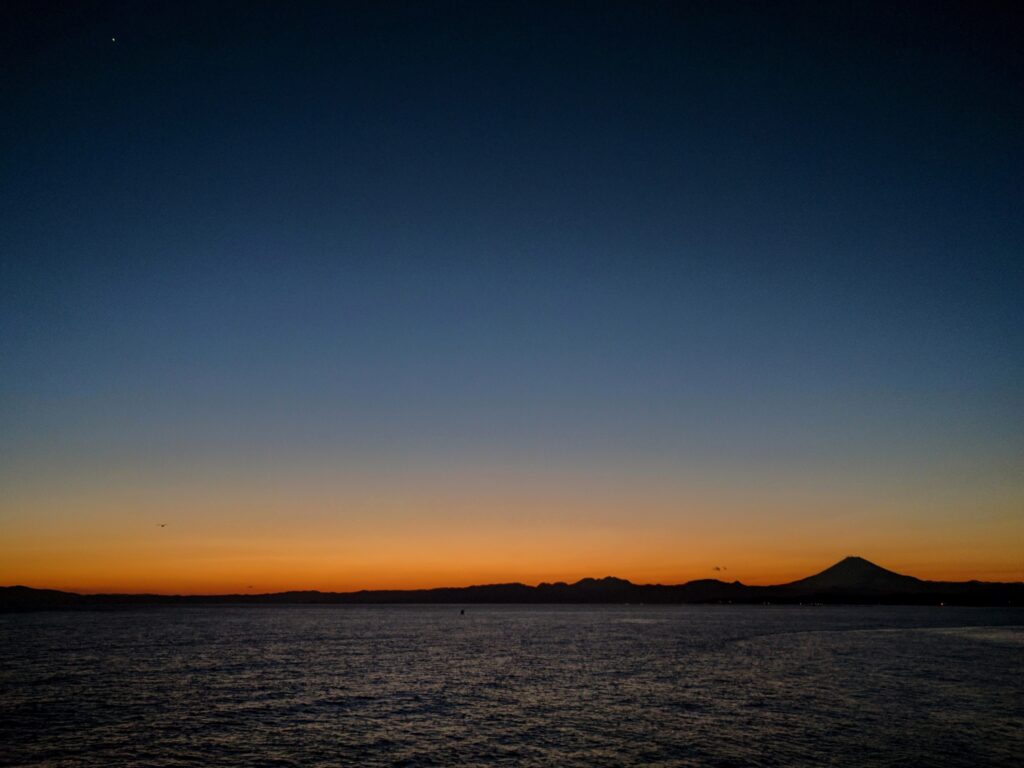
Looking for a tailor-made Japan travel experience?
When to Explore Kanagawa’s Coast
While summer draws the largest crowds, Kanagawa’s coastline arguably shows its best side outside peak season. Spring brings clear air and gentle light, ideal for long walks. Autumn offers comfortable temperatures and calmer seas, while winter reveals crisp views and quiet towns that feel almost private.
Each season reshapes the coast, changing not only the scenery but also the mood. Returning at different times of year reveals new aspects of the same places.
A Coastline That Rewards Time
Kanagawa’s coast is not designed for quick consumption. It does not overwhelm with grand landmarks or constant activity. Instead, it invites travelers to slow down, stay curious, and move gradually from one area to the next.
From the open beaches of Shonan to the rugged edges of the Miura Peninsula, the coastline offers continuity rather than contrast—a shared connection to the sea expressed in different ways.
For those willing to look beyond the obvious, Kanagawa’s coast becomes less of a destination and more of an experience—one shaped by light, tide, and the quiet persistence of everyday life by the ocean.

Create Your Own Travel Booking With Us
We specialize in crafting unforgettable journeys across Japan. Whether you’re a solo traveler, couple, or family, our expert planners, multilingual guides, and customer care team ensure your adventure is seamless and unique — from first click to final destination.
Create your travel booking website with us — and let your story unfold in Japan.