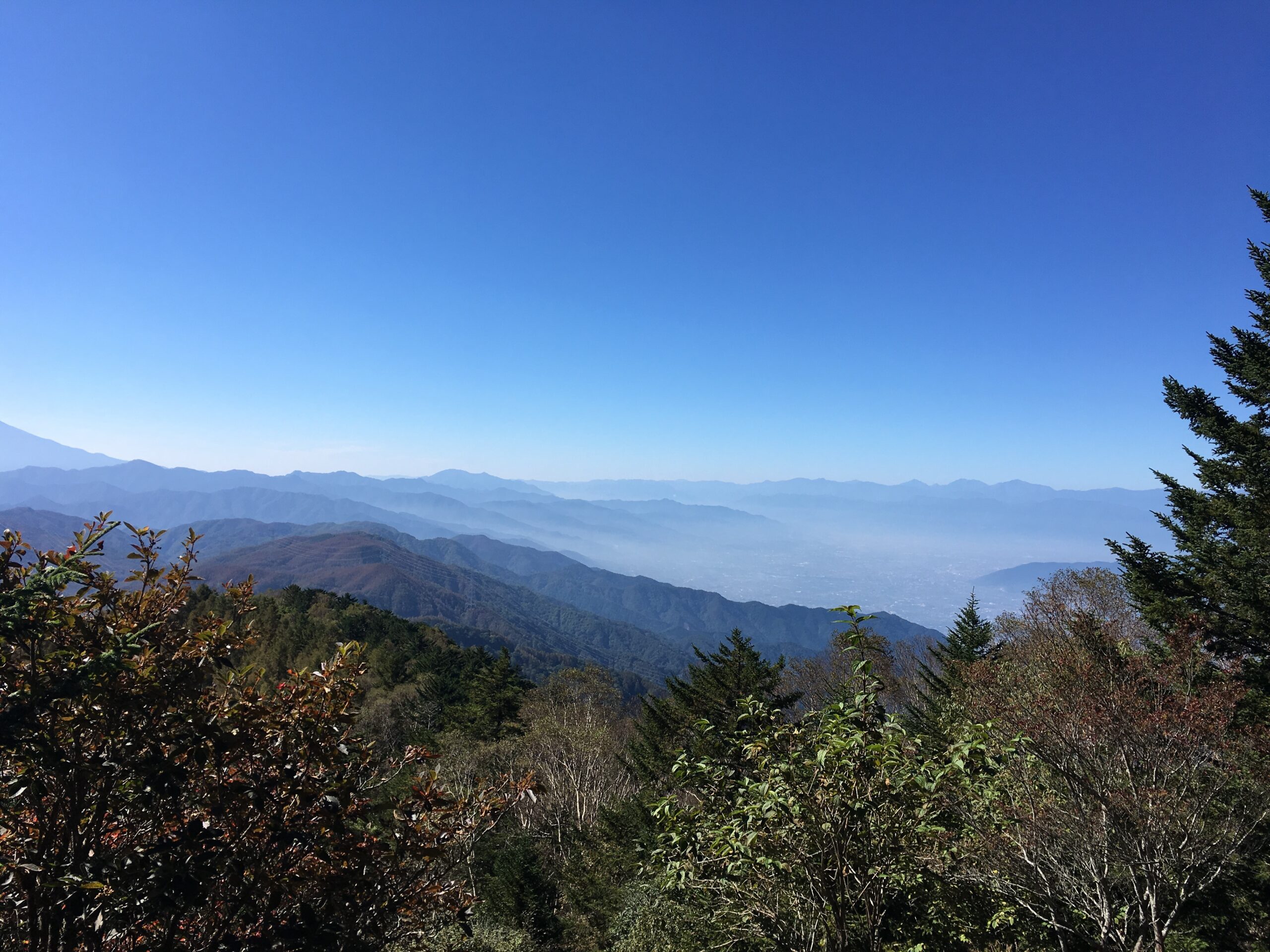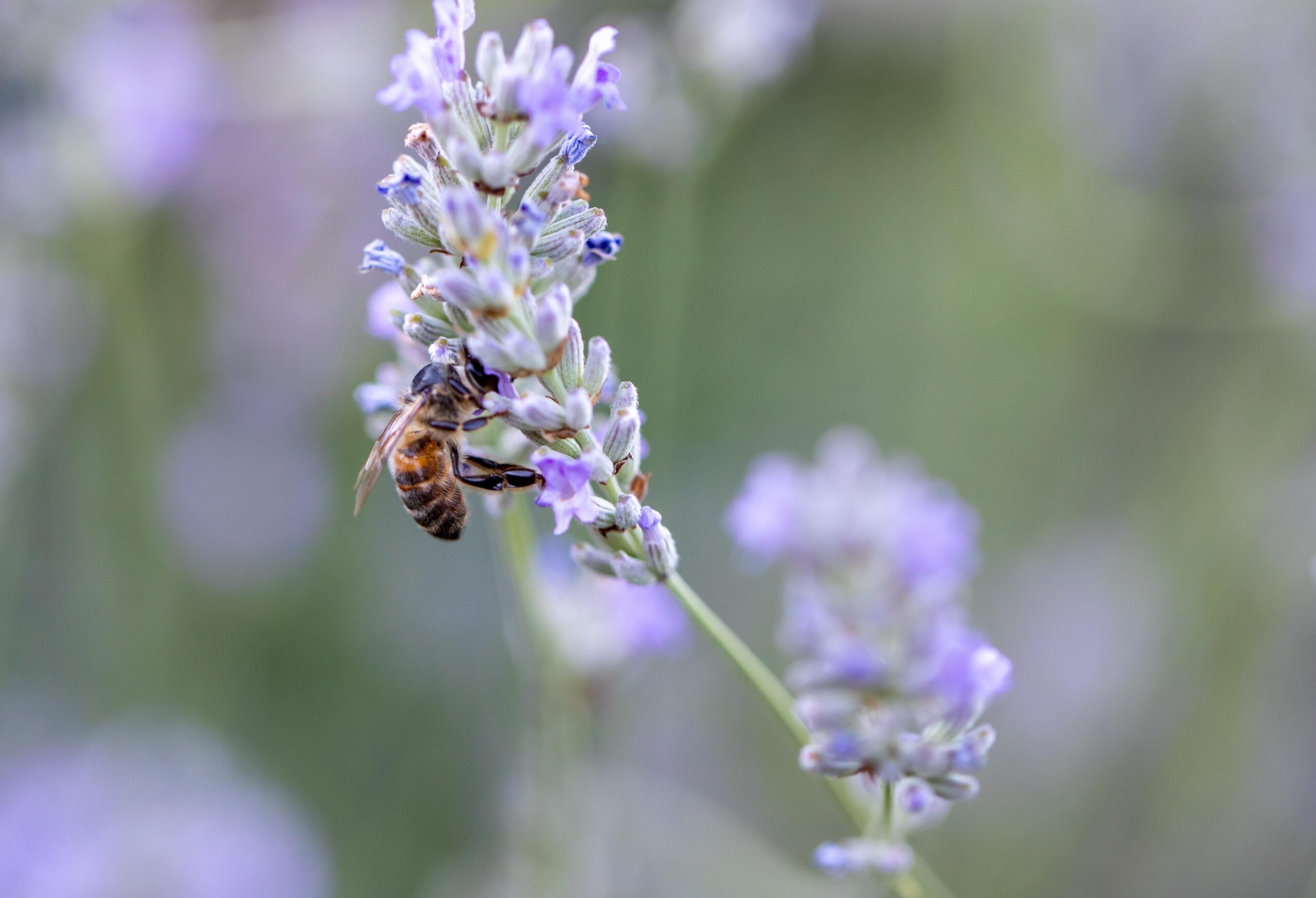
Kanagawa is often introduced through its cities and coastline, yet its deeper identity is shaped by mountains, forests, and the quiet paths that connect them. Beyond urban centers, the prefecture unfolds as a landscape of ridgelines, valleys, and long-established routes where nature and belief have coexisted for centuries.
This is not wilderness in the dramatic sense. Kanagawa’s natural spaces are lived-in, walked through, and gently respected—places where people have always moved with the land rather than against it.
A Geography of Transitions
Kanagawa’s landscape is defined by contrast. Within a short distance, terrain shifts from coastal plains to wooded hills, from hot spring valleys to high mountain passes. These transitions are not abrupt; they unfold gradually, creating a sense of movement rather than separation.
Historically, this geography made Kanagawa a gateway region. Travelers leaving Edo encountered mountains here for the first time, while those approaching the capital experienced a slow descent back into the plains. The land itself became part of the journey, shaping both physical travel and mental preparation.
Even today, this sense of transition remains. Entering the mountains feels like stepping into a quieter rhythm, where sounds soften and distances seem to stretch.
Hakone: A Landscape Formed by Movement
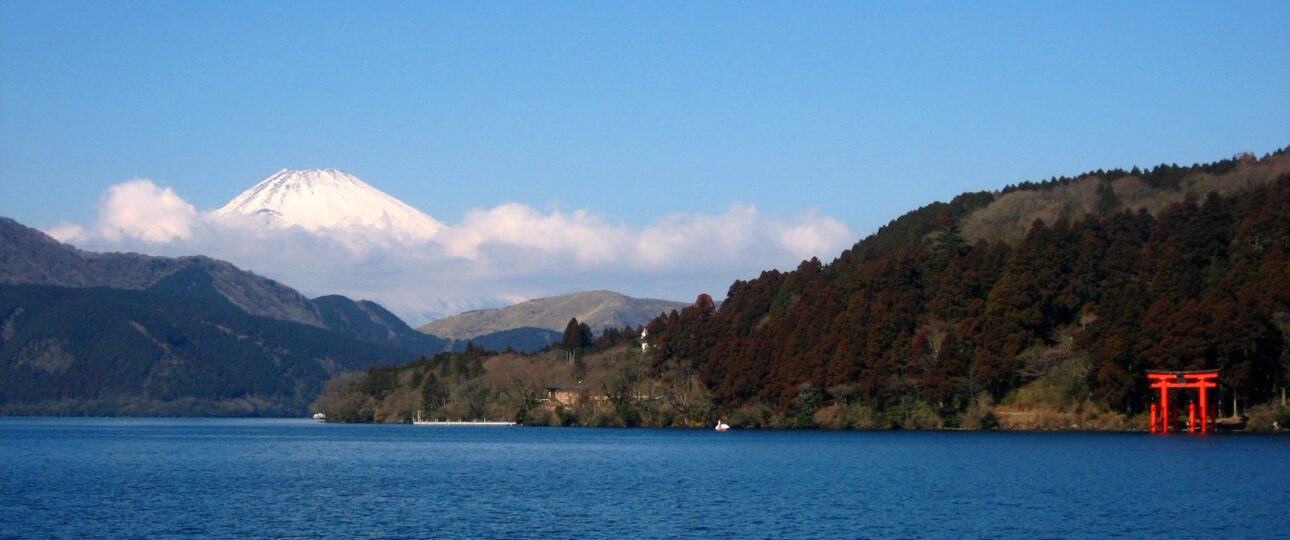
Hakone is often associated with hot springs and views of Mount Fuji, but its true character lies in its role as a passageway. For centuries, Hakone functioned as a critical mountain crossing, both a natural barrier and a point of control.
The area’s volcanic origins created a terrain of steep slopes, sulfur vents, and mineral-rich waters. Rather than resisting these conditions, people adapted to them. Inns developed along routes, hot springs became places of rest and recovery, and shrines offered spiritual protection to those crossing dangerous ground.
Walking in Hakone today still carries this sense of purpose. Paths wind through forest and mist, revealing occasional views rather than constant panoramas. The experience is less about reaching a destination and more about moving attentively through space.
Planning a trip to Japan and not sure where to start? We’re happy to help you design a journey that fits your travel style.
Sacred Mountains and Quiet Belief
Mountains in Kanagawa have long been regarded as sacred spaces. Before formal religious institutions, these landscapes were seen as dwelling places of spirits and forces beyond human control.
This belief shaped the development of mountain shrines, stone markers, and pilgrimage routes. Unlike monumental religious sites, these elements are understated—often little more than a weathered statue or a simple torii gate at the edge of a forest.
The power of these places lies in their restraint. They do not demand attention; they invite respect through silence. Visitors may pass without noticing them, while locals acknowledge them through habit rather than ceremony.
Trails That Carry Memory
Kanagawa’s trails are not recreational inventions. Many originated as routes for monks, traders, and villagers, gradually shaped by repeated use rather than planned design.
These paths follow natural contours, avoiding steep ascents where possible and passing near water sources. Walking them reveals a logic grounded in survival and sustainability.
What distinguishes these trails is their continuity. Modern hikers share the same ground as countless predecessors, separated not by space but by time. The experience fosters a quiet awareness of belonging to a much longer story.
From itinerary planning to local recommendations, our consultation service helps you travel Japan with ease and confidence.
Forests as Cultural Space
Forests in Kanagawa are not untouched wilderness. They have been managed, entered, and depended upon for generations. Woodlands provided fuel, building material, and spiritual refuge, shaping a relationship based on balance rather than extraction.
This cultural approach is visible in forest structure—clear paths, maintained undergrowth, and designated sacred trees. These spaces feel neither wild nor artificial, but carefully maintained through long familiarity.
Spending time in these forests encourages slower movement and heightened attention. Light filters unevenly through leaves, sounds carry differently, and time seems less structured.
Water, Springs, and Renewal
Water plays a central role in Kanagawa’s natural landscape. Mountain springs, rivers, and hot springs connect the physical and spiritual dimensions of the region.
Hot springs, in particular, represent renewal rather than luxury. Historically, they were places for healing, rest, and communal gathering. Their locations—often deep in valleys or along old routes—reflect their role as support points within longer journeys.
The act of bathing in mineral waters reinforces the connection between land and body, reminding visitors that the landscape itself participates in human well-being.
Seasonal Change as Experience
Kanagawa’s natural beauty is not constant; it is seasonal and fleeting. Mountain paths transform with weather and light. Forests shift color and texture throughout the year.
Rather than offering a single “best” season, the region rewards repeated visits. Each return reveals subtle differences—mist instead of clear skies, fallen leaves instead of blossoms, silence instead of birdsong.
This variability encourages an appreciation of impermanence, a value deeply rooted in Japanese thought.

Looking for a tailor-made Japan travel experience?
Nature Without Spectacle
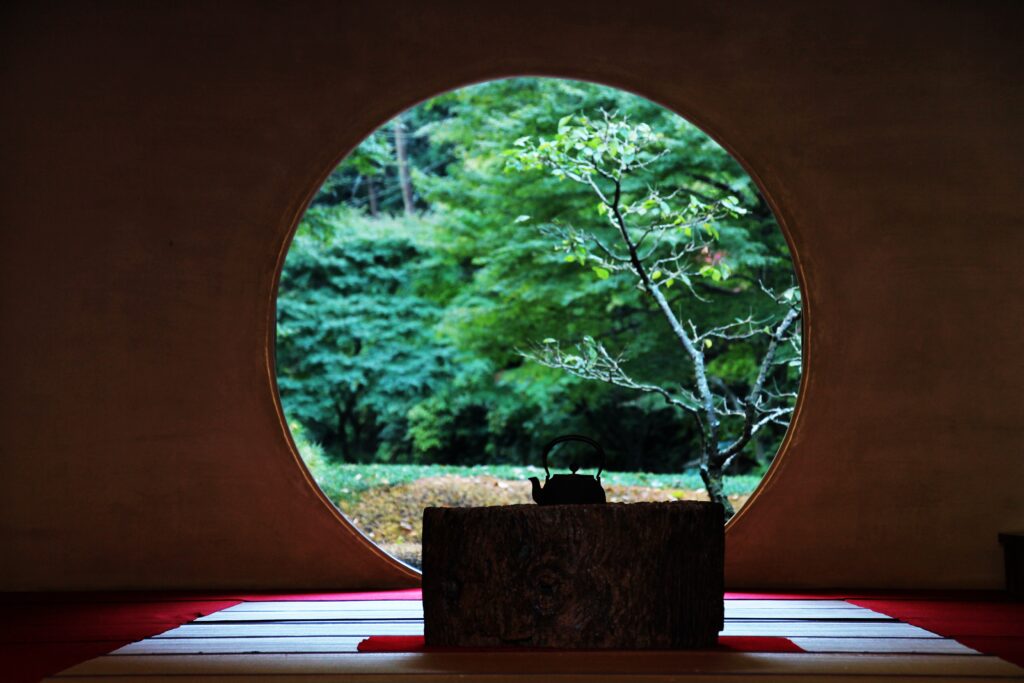
What makes Kanagawa’s landscape distinctive is its lack of spectacle. Views are often partial, framed by trees or revealed briefly along paths. Grandeur appears unexpectedly and then recedes.
This understated quality invites presence rather than consumption. The land does not perform; it waits.
For travelers willing to slow down, Kanagawa offers an experience of nature that is quiet, layered, and deeply human—shaped by centuries of movement, belief, and care.
Walking as Understanding
Ultimately, Kanagawa’s natural landscape is best understood on foot. Walking aligns pace with perception, allowing details to emerge gradually.
In moving through mountains, valleys, and forests, travelers encounter not just scenery, but a way of relating to the land that has endured for generations.
Kanagawa’s nature is not separate from its culture. It is the foundation upon which history, belief, and daily life continue to rest.

Create Your Own Travel Booking With Us
We specialize in crafting unforgettable journeys across Japan. Whether you’re a solo traveler, couple, or family, our expert planners, multilingual guides, and customer care team ensure your adventure is seamless and unique — from first click to final destination.
Create your travel booking website with us — and let your story unfold in Japan.