Beyond its historical towns and cultural landmarks, Shiga Prefecture is defined by its natural landscapes. Surrounded by mountains and anchored by Lake Biwa, the region offers a sense of openness that feels increasingly rare in modern travel. Here, nature is not something set apart from daily life, but an environment people live within and move through naturally.
Traveling through Shiga reveals a rhythm shaped by geography. Hills rise gently rather than dramatically, fields stretch toward the lake, and forested paths connect small settlements. The scenery does not demand attention; instead, it invites quiet observation. For travelers seeking meaningful Shiga travel experiences, this understated connection with nature becomes one of the region’s most lasting impressions.
Mountain Paths and Forest Trails
The mountain areas surrounding Lake Biwa play an essential role in Shiga’s natural balance. Forests regulate water flow, support agriculture, and provide habitats for diverse wildlife. Walking along mountain trails reveals how closely these environments are tied to everyday life.
Hiking routes range from well-maintained paths to simple trails used primarily by locals. Unlike heavily trafficked hiking destinations elsewhere in Japan, these routes often remain peaceful, even during peak seasons. This creates opportunities to experience Japan nature travel at a slower, more personal pace.
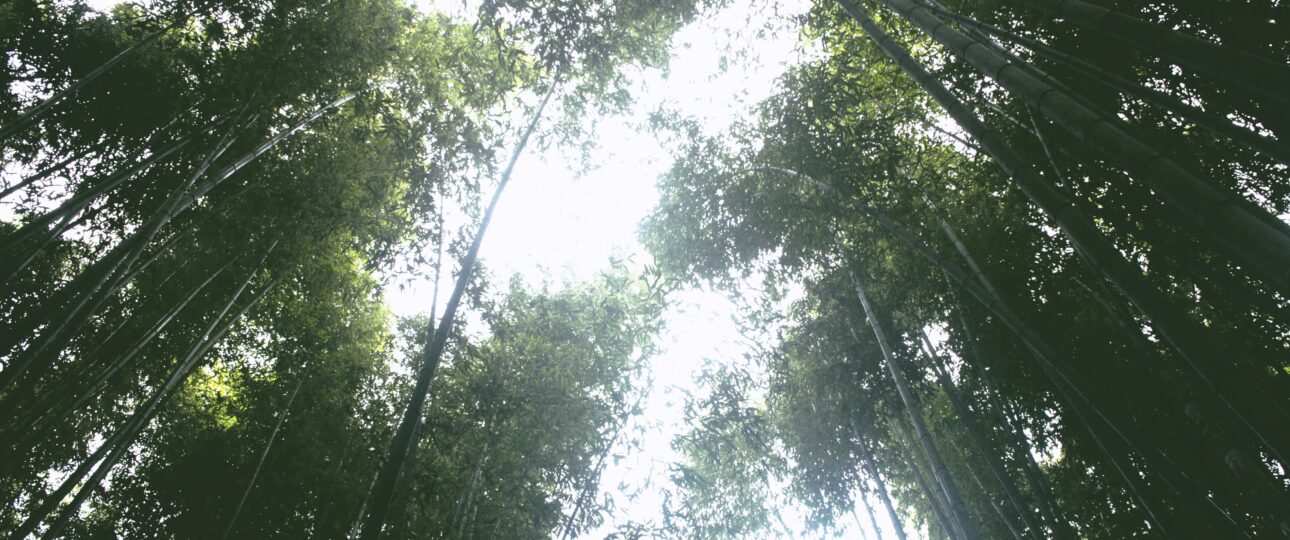
Seasonal changes are especially noticeable in these areas. Spring brings fresh greenery and subtle wildflowers, while autumn transforms the mountains into layers of muted reds and golds. Rather than offering dramatic viewpoints, the trails encourage attention to texture, sound, and light — the rustling of leaves, distant lake views, and filtered sunlight through trees.
If you’d like help planning a smooth and well-organized trip to Japan, our travel consultants are here to assist.
Rural Landscapes and Agricultural Life
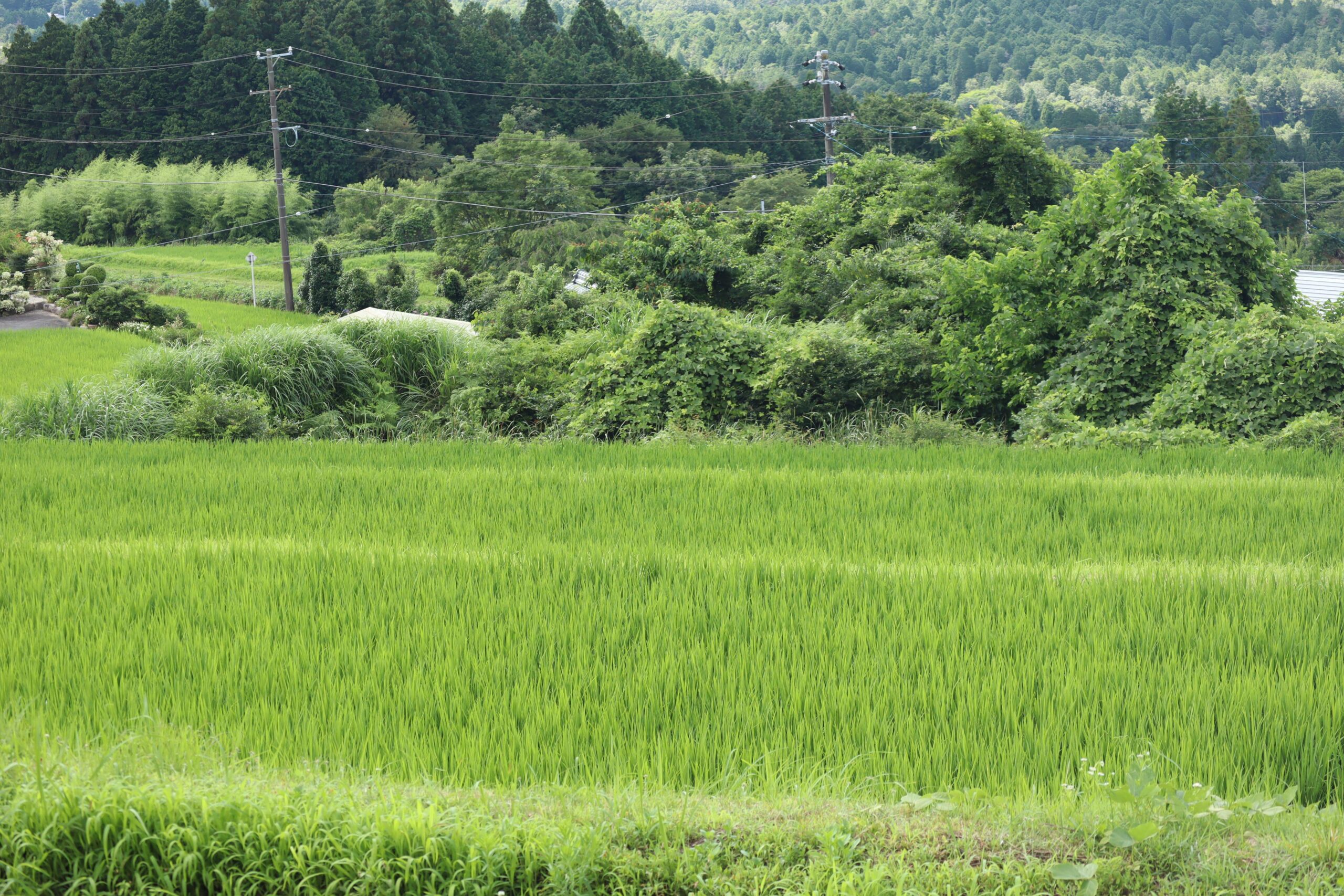
Shiga’s countryside reflects centuries of coexistence between people and land. Agricultural fields, irrigation canals, and traditional farmhouses form a landscape shaped by necessity and continuity. Rice paddies dominate much of the region, especially near the lake, where water resources support farming throughout the year.
Walking or cycling through rural areas offers insight into daily routines rarely visible in urban travel. Farmers tend fields according to seasonal rhythms, while small roadside shrines mark boundaries and transitions within the land. These scenes illustrate how traditional towns in Japan extend beyond built environments into cultivated landscapes.
For visitors, these rural settings provide space to slow down. There is no fixed itinerary required — simply following quiet roads often leads to moments of reflection. The absence of crowds allows travelers to experience authenticity without performance, reinforcing Shiga’s appeal as a destination rooted in lived experience.

Lake Biwa as a Living Environment
Lake Biwa is not only a scenic centerpiece but also a vital ecosystem supporting both nature and community. The lake’s shoreline changes character depending on location, alternating between open beaches, reed-filled wetlands, and small harbors. Each area reflects a different relationship between people and water.
Wetland zones near the lake play a crucial ecological role, filtering water and providing habitats for birds and aquatic life. Walking paths through these areas offer opportunities for quiet observation rather than spectacle. This approach aligns with broader efforts to preserve Shiga cultural heritage through environmental stewardship.
Local fishing traditions further demonstrate the lake’s importance. Small-scale fishing continues alongside modern conservation practices, maintaining a balance between use and protection. Observing these activities highlights how natural resources remain integrated into daily life rather than isolated as attractions.
From itinerary planning to local recommendations, our consultation service helps you travel Japan with ease and confidence.
Cycling and Slow Exploration
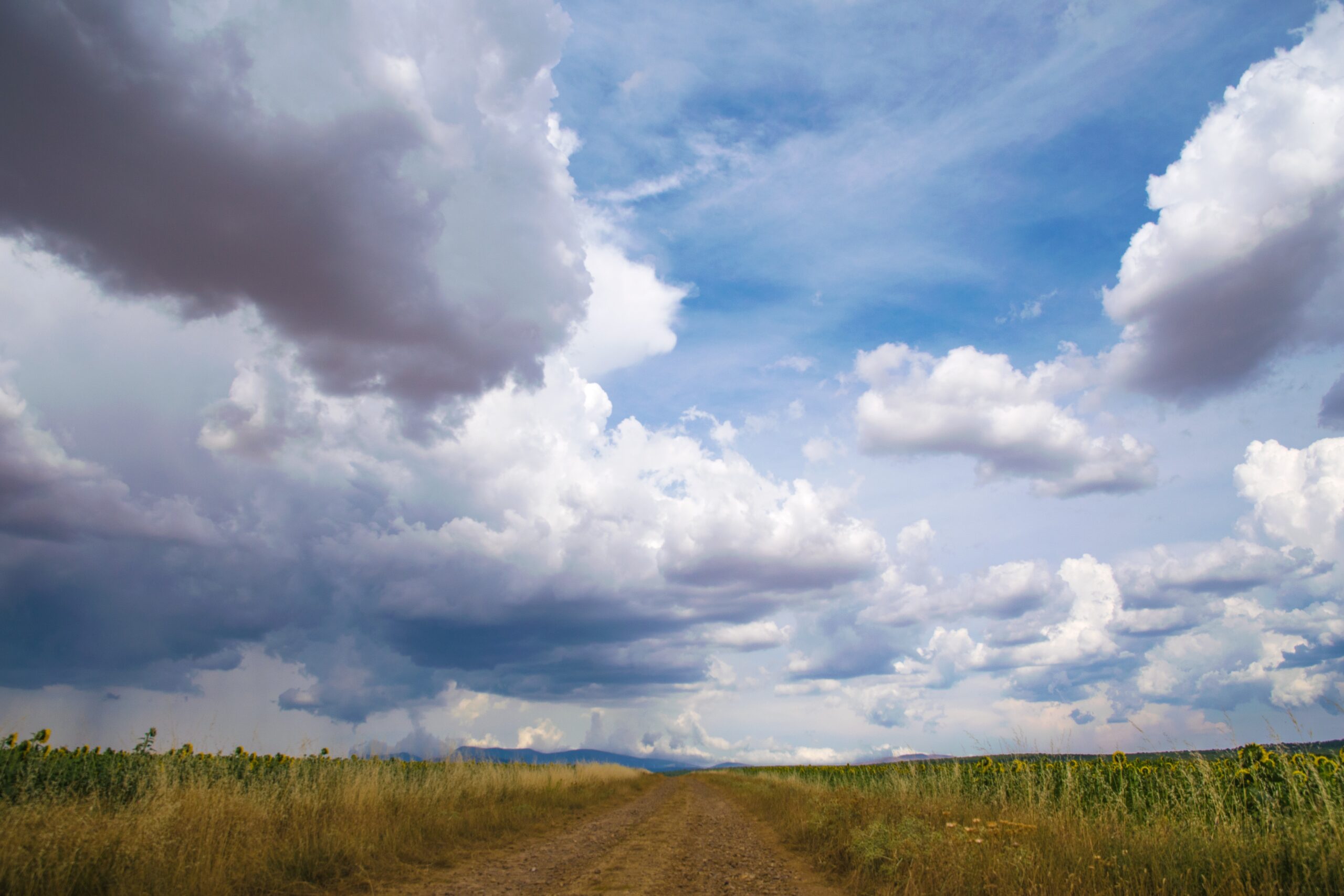
Cycling has become an increasingly popular way to explore Shiga, particularly around Lake Biwa. The relatively gentle terrain and well-developed routes make it accessible to a wide range of travelers. More importantly, cycling allows for a deeper connection with the landscape.
Moving at this pace reveals subtle transitions — shifts in elevation, changes in vegetation, and variations in settlement patterns. Unlike faster forms of transportation, cycling encourages awareness of distance and effort, reinforcing the sense of journey rather than destination.
This method of travel aligns with growing interest in sustainable tourism. By prioritizing low-impact exploration, visitors contribute to preserving the region’s environment while enjoying a more immersive experience. For those interested in Shiga travel experiences that emphasize balance and mindfulness, cycling offers an ideal approach.

Seasonal Landscapes and Everyday Beauty
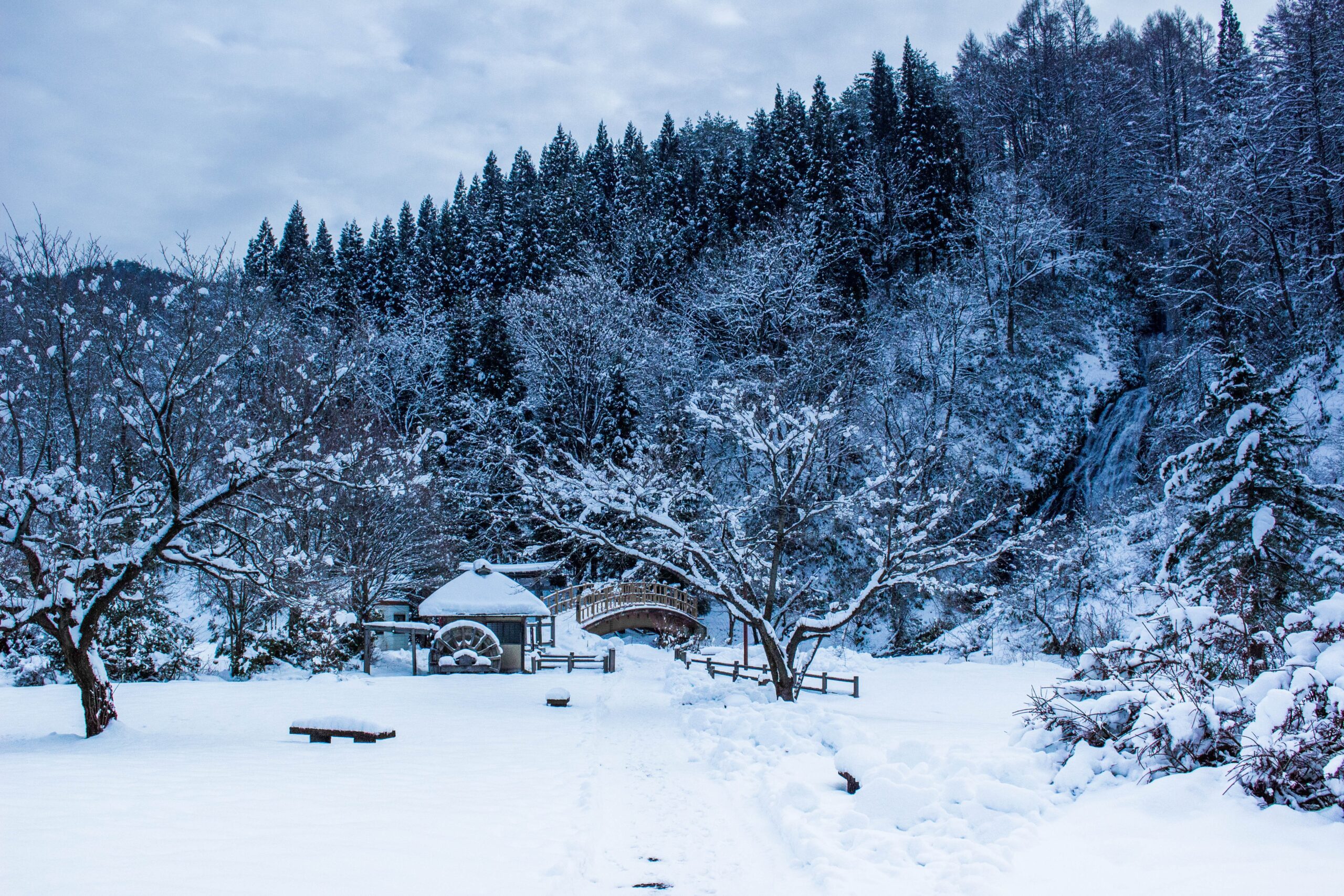
Nature in Shiga is deeply seasonal, yet its beauty often appears in understated ways. Cherry blossoms frame rivers rather than dominate parks, while autumn colors soften hillsides instead of overwhelming them. Winter brings stillness rather than spectacle, highlighting the quiet resilience of rural life.
These seasonal shifts influence local culture, shaping festivals, food, and daily routines. Travelers who visit during different times of year encounter distinct atmospheres, each offering its own form of charm. This reinforces Shiga’s suitability for repeat visits rather than one-time sightseeing.
Photography enthusiasts often find these environments rewarding precisely because they resist cliché. The landscapes reward patience and timing, capturing moments that feel personal rather than staged.

Looking for a tailor-made Japan travel experience?
A Different Kind of Natural Travel
Shiga Prefecture offers a perspective on nature that contrasts with more dramatic destinations. Instead of seeking extremes, it emphasizes continuity — the steady presence of land, water, and people adapting together. This approach encourages travelers to engage more deeply, observing how environments support life rather than simply impressing visitors.
For those interested in Japan nature travel beyond iconic scenes, Shiga provides an alternative grounded in authenticity. The region’s landscapes do not ask to be consumed quickly; they invite return, reflection, and understanding.
In experiencing Shiga’s countryside, visitors often discover that the most memorable moments come not from landmarks, but from quiet paths, open fields, and shared spaces where nature and daily life remain inseparable.

Create Your Own Travel Booking With Us
We specialize in crafting unforgettable journeys across Japan. Whether you’re a solo traveler, couple, or family, our expert planners, multilingual guides, and customer care team ensure your adventure is seamless and unique — from first click to final destination.
Create your travel booking website with us — and let your story unfold in Japan.