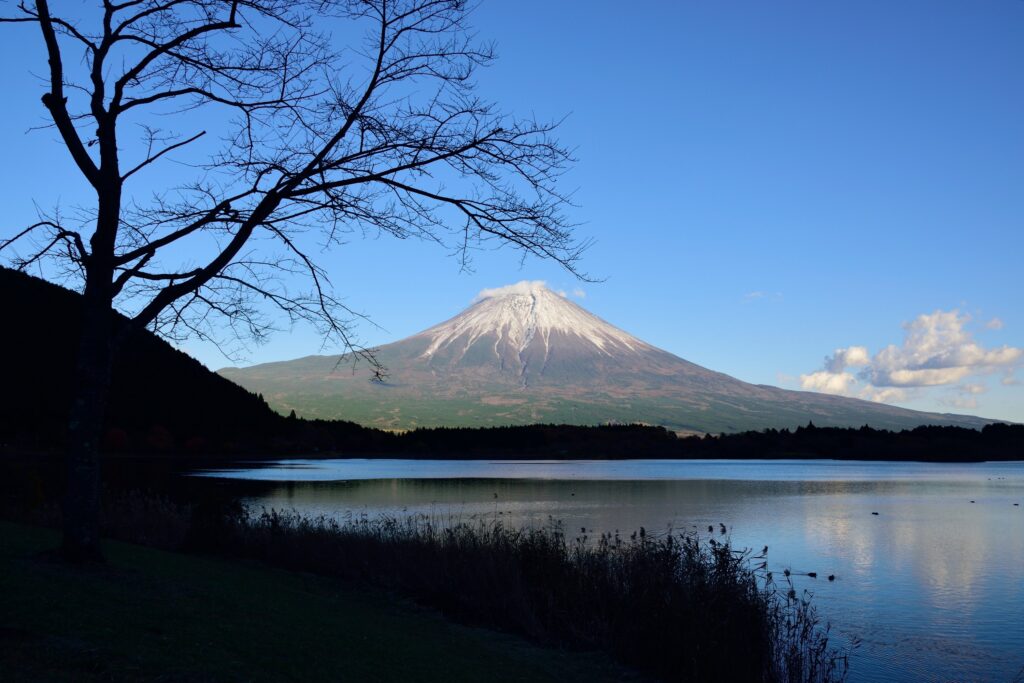
If Mount Fuji shapes the landscape of Shizuoka, then tea shapes its rhythm.
Long before Shizuoka became known internationally as a travel destination, it was already deeply connected to what Japanese people consider one of their most essential daily rituals: drinking tea. Today, nearly half of Japan’s green tea production comes from this prefecture, yet the role of tea here goes far beyond agriculture or branding. It is a quiet constant woven into everyday life.
To understand Shizuoka, you don’t start at a famous restaurant. You start with the fields.
Where Tea Is Not a Specialty, but a Habit
In many places, tea is something you order. In Shizuoka, tea is something you are given.
At small inns, in local offices, at neighborhood gatherings, tea appears without being asked for. It is offered not as a luxury, but as a gesture of welcome. Most households keep several types of tea on hand, chosen not for trendiness but for the season, the time of day, or who is visiting.
This culture comes from proximity. Tea fields stretch across hills and plains, especially in areas like Makinohara and along the Ōi River. These are not tourist-only landscapes. Farmers tend their fields early in the morning, while roads run right alongside the rows of tea bushes, making production feel visible and tangible.
Travelers often notice how “ordinary” these fields feel—and that ordinariness is precisely the point.

From itinerary planning to local recommendations, our consultation service helps you travel Japan with ease and confidence.
Seasonal Landscapes, Seasonal Flavors
Tea cultivation in Shizuoka follows the seasons closely, and so does the local diet.
Spring brings the first harvest of shincha, the year’s earliest green tea. Locals look forward to its arrival not as a novelty, but as a marker of time passing. The taste is fresh, slightly sweet, and fleeting—something to enjoy now, not to store away.
Summer foods tend to be lighter and refreshing, often paired with cold-brewed tea. Autumn introduces heartier dishes and roasted teas with deeper aromas. Winter, especially in inland areas, invites warming meals and stronger brews.
Shizuoka cuisine does not try to impress through complexity. Instead, it emphasizes balance—between land and sea, freshness and restraint.
From the Sea to the Table
Shizuoka’s long coastline along Suruga Bay plays an equally important role in shaping local kitchens.
The bay is one of the deepest in Japan, and its waters provide an abundance of seafood that appears regularly in everyday meals. Rather than elaborate preparations, fish is often served simply, allowing quality to speak for itself.
In fishing towns, meals reflect what was caught that morning. Menus change daily, and familiarity matters more than variety. Locals know which season brings which fish, and conversations often revolve around subtle differences in taste from year to year.
For visitors, this means that the most memorable meals are often found in unassuming places—small eateries where the menu is handwritten and the atmosphere relaxed.
Looking for a tailor-made Japan travel experience?
Home Cooking and Local Pride
What truly defines Shizuoka’s food culture is not its famous products, but its home cooking.
Many dishes are tied to family habits rather than official recipes. A particular way of seasoning vegetables, a preferred cut of fish, or a local miso blend can vary from household to household. These differences are rarely advertised, but they shape how people relate to food.
Even convenience stores and supermarkets reflect regional preferences. Tea-based snacks, local sweets, and prepared foods often highlight ingredients sourced nearby. Eating local is not a conscious movement here—it is simply the default.
This sense of quiet pride extends to how people talk about food. There is little need to explain or exaggerate. Quality is assumed, not proclaimed.
Eating Slowly in a Fast-Moving Country
Japan is often associated with efficiency and speed, but Shizuoka offers a different tempo.
Meals are rarely rushed, especially outside major cities. Lunch breaks stretch comfortably. Tea is sipped, not gulped. Conversations linger after dishes are cleared. This pace reflects the agricultural roots of the region, where time is measured in harvests rather than schedules.
For travelers accustomed to fast itineraries, Shizuoka can feel deceptively simple. Yet those who slow down often find that meals become moments of observation—watching how locals interact, how ingredients are treated, how silence is welcomed.
Here, eating is not entertainment. It is continuity.
For travelers seeking a personalized and stress-free Japan journey, our consultation service offers expert guidance every step of the way.
Why Food Is the Best Way to Know Shizuoka
Food in Shizuoka does not demand attention. It invites familiarity.
Through tea fields that blend into the horizon, kitchens that value restraint, and meals that reflect the season without explanation, the prefecture reveals its character. This is a place where taste is shaped by environment, and where tradition lives not in ceremonies but in habits repeated daily.
To eat in Shizuoka is not to discover something new. It is to understand something enduring.
And once you do, the prefecture begins to make sense—not as a destination to be consumed, but as a place to be lived in, even briefly.

Create Your Own Travel Booking With Us
We specialize in crafting unforgettable journeys across Japan. Whether you’re a solo traveler, couple, or family, our expert planners, multilingual guides, and customer care team ensure your adventure is seamless and unique — from first click to final destination.
Create your travel booking website with us — and let your story unfold in Japan.