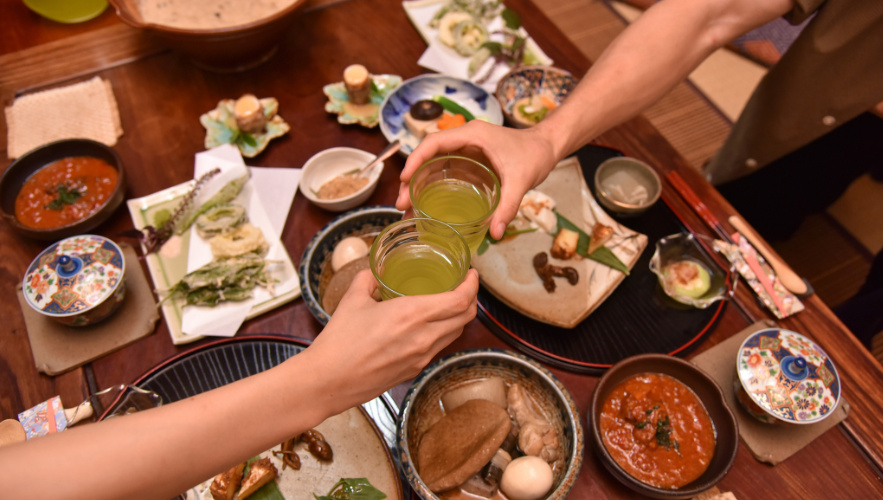
Japan is known worldwide for its rich food culture–fresh seafood, flavorful broths, regional specialties, and centuries-old culinary traditions. Yet in recent years, a surprising shift has been taking place across the country. From Tokyo’s trendiest districts to small-town cafes, plant-based dining has grown rapidly, reshaping the way travelers and locals experience Japanese cuisine.
Whether driven by health, sustainability, religion, or curiosity, more people in Japan are embracing vegetarian and vegan meals. For visitors, this means an increasing number of exciting plant-based restaurants, easy-to-find vegan products, and traditional dishes reimagined without animal ingredients.
This guide explores how plant-based dining is rising in Japan, why the trend is accelerating, and where travelers can experience the best of Japan’s new vegetarian and vegan food culture.
Why Plant-Based Dining Is Growing in Japan
Plant-based eating was once rare in Japan outside Buddhist temples. Today, however, a combination of cultural, environmental, and global influences is transforming the country’s food scene.
Growing International Tourism
Before and after the pandemic, Japan welcomed millions of visitors each year, including many from regions with strong vegetarian cultures–Europe, North America, India, and Southeast Asia. Restaurants began offering vegetarian and vegan options to meet visitor expectations.
Sustainability Awareness
With rising discussions about environmental impart, Japanese companies–from convenience stores to premium hotels–have introduced plant-based offerings to promote sustainability.
Innovation in the Food Industry
Japan’s food manufacturers have developed:
- plant-based meat
- vegan ramen broth
- dairy-free ice creams
- plant-based convenience store meals
These innovations have introduced flavorful alternatives that appeal to both vegetarians and non-vegetarians.
Influence of Younger Japanese Diners
Young professionals in cities like Tokyo and Osaka are increasingly choosing healthier, lighter meals. As a result, cafes and bistros featuring modern vegan menus are thriving.

If you’d like help planning a smooth and well-organized trip to Japan, our travel consultants are here to assist.
How Japan Adapts Traditional Cuisine into Plant-Based Versions
Even though many traditional Japanese dishes use fish-based broth, the country’s culinary foundation–rice, vegetables, tofu, seaweed–allows for easy adaptation.
Here are some classic foods now widely available in plant-based versions:
Vegan Ramen
Chefs use:
- soy milk broth
- vegetable stock
- sesame-based broth
- mushroom dashi
Tokyo’s T’s Tantan and Kyoto’s Veggie Ramen shops are top examples.
Vegetarian Sushi
Beyond fish, Japanese sushi has a long history of vegetable-based rolls:
- cucumber
- avocado
- pickled radish
- ume (plum)
- shiitake mushrooms
- inari sushi
High-end sushi restaurants now offer full plant-based courses on request.
Shojin Ryori (Buddhist Temple Cuisine)
This traditional vegan cuisine emphasizes:
- seasonal ingredients
- tofu
- sesame
- vegetables
- natural seasonings
Kyoto, Koyasan, and Nikko are the best places to experience it.
Japanese Curry
Vegan curry is available in many cafes and chain restaurants. Ingredients include:
- potato
- carrots
- onions
- kabocha suqash
- mushrooms

Planning a trip to Japan and not sure where to start? We’re happy to help you design a journey that fits your travel style.
Where to Experience Japan’s Plant-Based Food Movement
From Michelin-starred dining to casual cafes, here are the cities at the forefront of Japan’s plant-based revolution.
Tokyo: The Heart of Modern Vegan Dining
Tokyo leads Japan in plant-based innovation, offering everything from kaiseki meals to fast-food burgers.
Top plant-based areas in Tokyo
- Shinjuku: vegan ramen, cafes
- Shibuya: trendy plant-based eateries
- Asakusa: traditional Japanese vegetarian meals
- Ginza: upscale vegan restaurants
Must-try restaurants
- Ain Soph (multiple branches)
- T’s Tantan (Tokyo Station)
- Nagi Shokudo (Shibuya)
- Bistro Jangara (Harajuku)
Tokyo is also home to vegan bakeries, gelato shops, and convenience stores with clearly labeled plant-based meals.
Kyoto: Tradition Meets Plant-Based Elegance
Kyoto offers a more serene experience, blending temple culture with natural, plant-based cuisine.
Where to eat plant-based in Kyoto
- Tenryu-ji Temple’s Shigetsu: full vegan course meals
- Veg Out: riverside cafe
- Ain Soph Kyoto: modern vegan plates
- Mumokuteki Cafe: hearty, organic meals
Kyoto is ideal for travelers seeking peaceful, traditional vegetarian dining.
Osaka: Bold Flavors and Inventive Vegan Cooking
Known as “Japan’s Kitchen,” Osaka’s plant-based dining is flavorful and creative.
Recommended vegan spots
- Paprika Shokudo Vegan – popular for colorful dishes
- Mame to Mugi – macrobiotic meals
- Green Earth – one of Japan’s oldest vegetarian restaurants
Osaka’s vibrant food scene means even non-vegetarian restaurants often provide plant-forward options.
Fukuoka, Nagoya, Sapporo & Beyond
Plant-based dining has expanded nationwide.
Fukuoka
- growing vegan cafes
- strong coffee culture and healthy dining trends
Nagoya
- famous vegan buffets and ramen shops
Sapporo
- warm, hearty vegan dishes perfect for winter travelers
Whether you’re exploring hot springs, mountains, or countryside towns, you’ll find more plant-based options than ever.

From itinerary planning to local recommendations, our consultation service helps you travel Japan with ease and confidence.
Convenience Stores and Supermarkets Join the Trend
One of the clearest signs of plant-based growth in Japan is the transformation of everyday shops.
Convenience stores now offer:
- vegan onigiri
- dairy-free desserts
- plant-meat sandwiches
- soy-meat sandwiches
Major chains like 7-Eleven, Lawson, and FamilyMart have expanded their selection dramatically.
Supermarkets offer:
- tofu varieties
- plant-based meat brands
- vegan instant ramen
- vegetable sushi packs
This makes plant-based travel extremely easy, even for budget travelers.
Japan’s Plant-Based Food Industry: Technology & Innovation
Japan’s food-tech companies are reshaping the future of sustainable eating.
Notable trends
- soy-based “fish” alternatives for sushi.
- plant-based katsu (cutlets) served in restaurants
- vegan convenience store bentos
- high-quality dairy alternatives made from rice or oats
Events like the Tokyo Vegan Gourmet Festival and Japan Plant-Based Food Expo highlight how fast the movemnt is growing.
Tips for Finding Plant-Based Food in Japan
Use helpful apps
- HappyCow
- Google Maps (search “vegan” or “vegetarian”)
Learn a few key phrases
- 「ベジタリアンです。」 I am vegetarian.
- 「魚のだしは使っていますか?」 Does this contain fish broth?
- 「肉と魚を抜いてください。」 Please remove meat and fish.
Explore local organic cafes
Japan’s organic food movement is closely tied to plant-based dining.
Look for “Vegan” signs
In Japan, “vegan” is clearer than “vegetarian,” since fish broth is commonly used.
A New Era of Plant-Based Dining in Japan
Plant-based dining in Japan has evolved from niche to mainstream. Whether you’re seeking vegan ramen, traditional temple cuisine, or innovative Japanese-Western fusion dishes, the country now offers an incredible range of options.
The rise of plant-based dining reflects Japan’s creativity, hospitality, and commitment to sustainaility–making it an exciting destination for vegetarians, vegans, and curious food lovers alike.
As Japan continues to innovate and embrace plant-forward cuisine, travelers can look forward to even more delicious, accessible, and eco-friendly dining experiences.

Create Your Own Travel Booking With Us
We specialize in crafting unforgettable journeys across Japan. Whether you’re a solo traveler, couple, or family, our expert planners, multilingual guides, and customer care team ensure your adventure is seamless and unique — from first click to final destination.
Create your travel booking website with us — and let your story unfold in Japan.