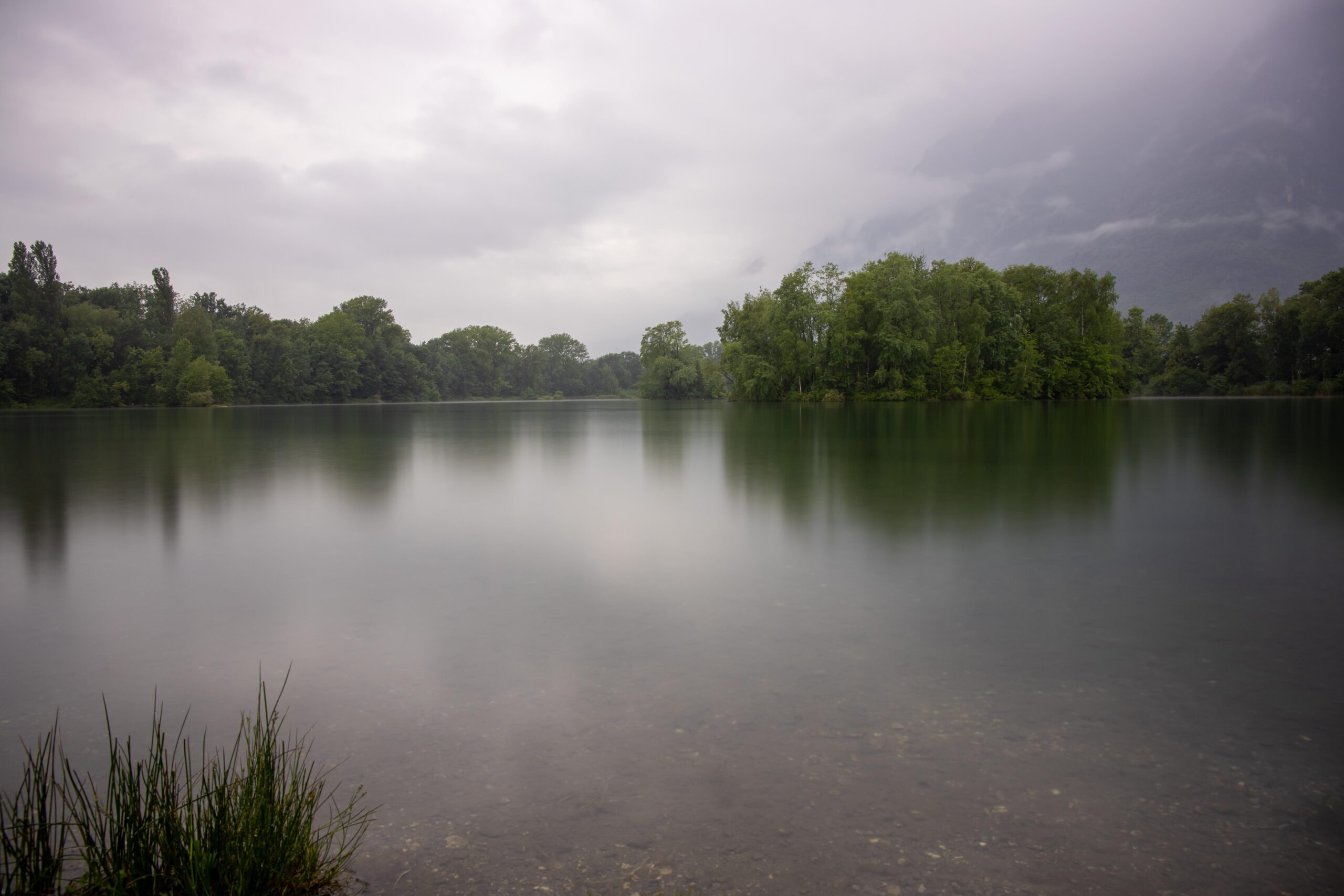
Shiga Prefecture is often associated with Lake Biwa, yet beyond the water lies a landscape shaped by centuries of movement, governance, and everyday life. Historically positioned between eastern and western Japan, Shiga developed as a crossroads where people, goods, and ideas passed through. This geographical role left behind layers of cultural heritage that still remain visible today.
Rather than concentrating history in a single landmark, Shiga’s past unfolds across castle ruins, former post towns, and rural communities where traditions continue quietly. Exploring these places offers insight into how history in Shiga Prefecture is woven into ordinary surroundings rather than preserved only behind museum walls.
Castle Towns and Political Memory
One of the most recognizable historical symbols in Shiga is Hikone Castle. Unlike reconstructed castles elsewhere, Hikone Castle retains its original structure, standing as a reminder of the Edo period’s political stability and regional governance. The surrounding castle town developed to support samurai households, merchants, and artisans, creating an urban layout that still influences modern streets.
Walking through this area today reveals how historical spaces adapt over time. Former samurai residences coexist with modern homes, while stone walls and moats quietly frame daily routines. Rather than feeling frozen in time, the castle town reflects a living continuity where past and present overlap naturally.
Beyond Hikone, smaller castle ruins scattered across Shiga tell quieter stories. These sites, often set on hills or near waterways, emphasize strategic positioning rather than grandeur. For travelers interested in Japanese history travel, these understated locations provide context without crowds, allowing imagination to fill in what remains unseen.

For travelers seeking a personalized and stress-free Japan journey, our consultation service offers expert guidance every step of the way.
Post Towns and the Flow of Travel
Shiga’s role as a transportation hub becomes especially clear when exploring its former post towns. During the Edo period, major routes connecting Kyoto, Edo, and regional centers passed directly through the area. Towns along these routes developed to serve travelers, offering lodging, meals, and services essential to long-distance journeys.
Today, remnants of these post towns still exist, marked by preserved streetscapes and traditional wooden buildings. Walking through them offers a sense of scale — narrow roads, modest inns, and simple shopfronts designed for travelers on foot. These environments highlight a time when travel was measured in days rather than hours.
What makes these places distinctive is their integration into modern life. Residents continue to live and work in historic structures, adapting them for contemporary use. This balance between preservation and practicality defines much of Shiga cultural heritage, where history remains functional rather than ornamental.
Temples, Shrines, and Quiet Continuity
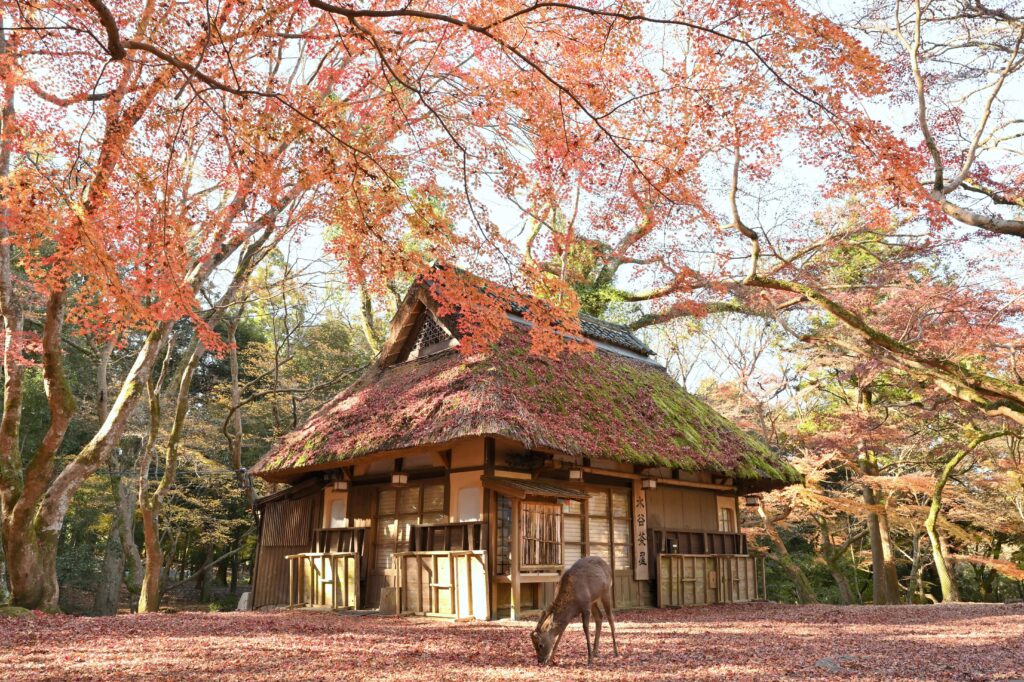
Religious sites in Shiga reflect long-standing relationships between spirituality and landscape. Many temples and shrines are located along mountain slopes or near water, emphasizing harmony with the surrounding environment. Unlike major pilgrimage destinations, these sites often serve local communities first, welcoming visitors without ceremony.
Seasonal rituals continue quietly, marked by festivals, offerings, and community gatherings. Observing these moments offers insight into traditions that persist not because they are promoted, but because they remain meaningful. For travelers seeking traditional towns in Japan, Shiga provides opportunities to witness spiritual practices in their natural context.
These sites also reveal how religious spaces adapt over time. Some temples incorporate modern facilities to support visitors, while others maintain a minimalist approach. This variation reflects broader cultural patterns, where continuity allows flexibility rather than rigidity.
If you’d like help planning a smooth and well-organized trip to Japan, our travel consultants are here to assist.
Craft, Trade, and Local Knowledge
Historical life in Shiga was not limited to political centers or travel routes. Rural areas developed their own systems of production and craftsmanship, often connected to agriculture, textiles, and small-scale manufacturing. These traditions continue in workshops and family-run businesses, where techniques are passed down through practice rather than formal instruction.
Visiting these places highlights the role of local knowledge in shaping regional identity. Craftspeople often draw inspiration from the surrounding environment, using materials sourced nearby and adapting designs to practical needs. This relationship between craft and place reinforces Shiga’s reputation for authenticity and sustainability.
For travelers exploring Shiga travel experiences, engaging with local crafts offers a deeper understanding of how history survives through everyday work. These encounters emphasize process over product, inviting appreciation for skill developed over time.

Living History in Rural Communities
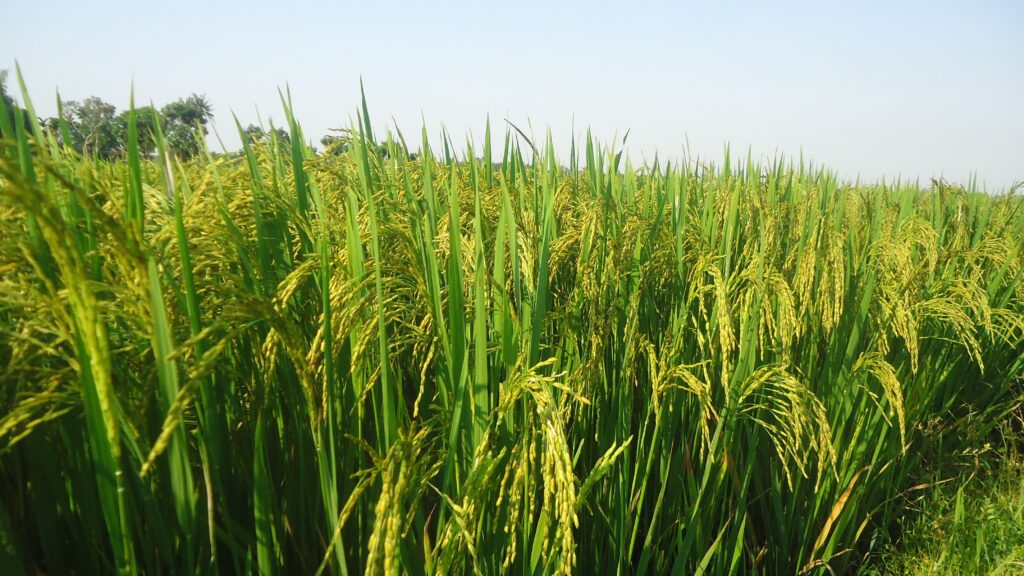
Beyond designated historic districts, Shiga’s rural communities embody living history through daily routines. Farmhouses, irrigation systems, and village layouts reflect centuries-old relationships between people and land. Seasonal cycles still guide agricultural practices, shaping both landscape and lifestyle.
Walking through these villages offers a sense of continuity that feels both grounded and unforced. There is little separation between historical elements and modern necessities, resulting in environments that feel genuine rather than curated. For travelers interested in hidden history in Japan, these rural settings provide insight often overlooked in guidebooks.
Local residents play a central role in maintaining this balance. Their choices — how to renovate homes, manage land, or host visitors — influence how history remains visible without becoming static. This quiet stewardship ensures that Shiga’s past continues to inform its present.

Planning a trip to Japan and not sure where to start? We’re happy to help you design a journey that fits your travel style.
Understanding Shiga Through Its Past
History in Shiga is not confined to monuments or timelines. Instead, it exists in patterns of movement, settlement, and adaptation. From castle towns and post routes to rural traditions and spiritual practices, the region’s heritage reveals itself gradually.
For travelers willing to slow down, Shiga offers an opportunity to experience history as part of everyday life. Rather than presenting a single narrative, the prefecture invites exploration through observation and presence. This approach allows visitors to connect with the region on a personal level, discovering meaning beyond famous landmarks.
In doing so, Shiga demonstrates that history is not something left behind — it is something continuously lived.

Create Your Own Travel Booking With Us
We specialize in crafting unforgettable journeys across Japan. Whether you’re a solo traveler, couple, or family, our expert planners, multilingual guides, and customer care team ensure your adventure is seamless and unique — from first click to final destination.
Create your travel booking website with us — and let your story unfold in Japan.