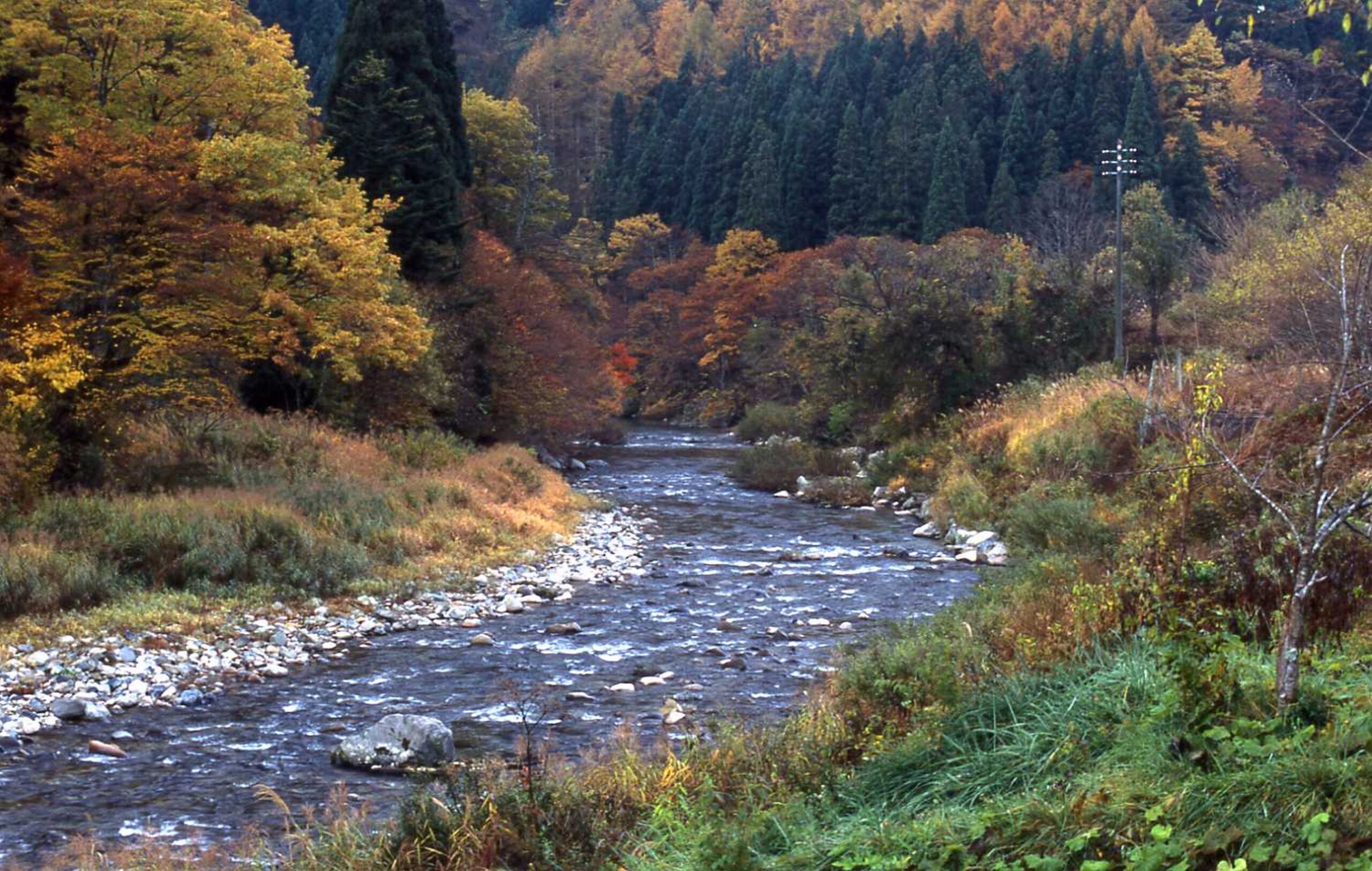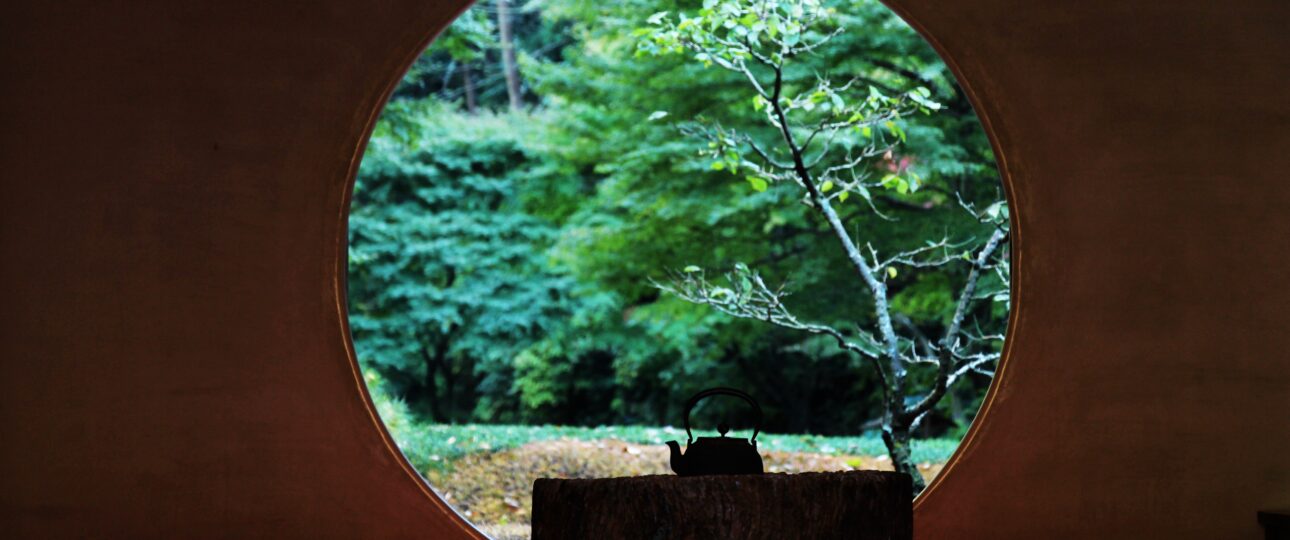
Kanagawa’s history is often introduced through Kamakura, but understanding the region’s past requires looking beyond famous temples and postcard landmarks. This is a place where history does not sit quietly behind glass. Instead, it remains woven into daily life—along old roads still in use, inside neighborhoods shaped by centuries of belief, and within traditions that continue without performance or explanation.
Historic Kanagawa is not about stepping back into a distant era. It is about recognizing how the past continues to influence the present in subtle, persistent ways.
Kamakura: More Than a Former Capital
Kamakura is widely known as Japan’s medieval capital, a city of temples, shrines, and the iconic Great Buddha. Yet focusing only on these highlights risks missing the deeper character of the area.
What makes Kamakura distinctive is not simply its historical status, but the way geography and belief shaped the city. Surrounded by hills and facing the sea, Kamakura developed as a natural stronghold. Narrow valleys, known as yato, defined neighborhoods and movement, creating a city that feels enclosed, intimate, and quietly defensive even today.
Walking through Kamakura is an experience of transitions. Busy streets lead suddenly into forested paths. Residential areas give way to ancient temple grounds with little warning. These shifts are not staged; they reflect the city’s original structure, which prioritized harmony with terrain rather than visual symmetry.
In Kamakura, history is not centralized. It is dispersed, layered, and encountered gradually.
Temples as Places of Practice, Not Display
Many of Kamakura’s temples are famous, but they are not museums. Despite the steady flow of visitors, these spaces remain active sites of practice, reflection, and seasonal ritual.
Zen Buddhism, which flourished in Kamakura, emphasizes simplicity, discipline, and direct experience. These values are reflected in temple layouts, gardens, and architecture. Stone paths are uneven, halls are restrained rather than ornate, and gardens encourage contemplation rather than spectacle.
Visiting these temples outside peak hours reveals their true nature. Early mornings and quieter seasons allow space for stillness, where the sound of wind or a distant bell becomes more noticeable than the presence of other people.
This atmosphere reminds visitors that these sites were never intended to impress. They were designed to support practice and awareness—functions they continue to serve.

For travelers seeking a personalized and stress-free Japan journey, our consultation service offers expert guidance every step of the way.
Shrines, Belief, and Everyday Faith
Beyond temples, Kanagawa is rich in shrines embedded within neighborhoods, hillsides, and coastal areas. Unlike major pilgrimage destinations, many of these shrines are modest and deeply local.
Their presence reflects a form of belief tied to protection, gratitude, and continuity rather than doctrine. Shrines near the sea pray for safety and abundance. Those along mountain paths offer quiet reassurance to travelers. Residential shrines serve as anchors of community memory.
What is striking is how seamlessly these places fit into modern life. Children pass them on the way to school. Locals stop briefly, not as tourists but as participants in an unbroken routine.
This form of faith does not demand attention. It exists quietly, sustained by repetition rather than ceremony.
Ancient Roads Still in Use
Kanagawa’s historical importance was reinforced by its position along key travel routes connecting eastern and western Japan. Roads such as the old Tōkaidō once carried samurai, merchants, messengers, and pilgrims.
Today, fragments of these routes still exist—sometimes clearly marked, sometimes disguised as ordinary streets. Walking them offers a unique perspective on history, where past and present overlap without interruption.
Unlike preserved heritage trails, these roads are functional. Cars pass, residents walk dogs, and shops operate as they always have. The significance lies not in preservation, but in continuity.
Travelers who notice these details gain a deeper understanding of how movement shaped the region’s identity.
Samurai Legacy Without Romanticization
Kanagawa’s association with samurai culture is often romanticized, but the reality is more complex. Kamakura-era governance was marked by discipline, conflict, and rigid social structure.
Rather than glorifying warfare, the region’s historical sites reflect restraint and responsibility. Training grounds, administrative centers, and temples focused on governance and ethical conduct reveal a worldview centered on order rather than heroism.
This legacy can still be felt in the tone of the area. Kamakura feels serious, grounded, and introspective—qualities that distinguish it from other historic cities.

If you’d like help planning a smooth and well-organized trip to Japan, our travel consultants are here to assist.
Seasonal Change and Cultural Rhythm
History in Kanagawa is closely tied to seasonal awareness. Festivals, rituals, and daily practices shift throughout the year, reflecting agricultural cycles, maritime life, and spiritual calendars.
Rather than large-scale events, many observances are subtle—local festivals, temple cleanings, seasonal offerings. These moments often pass unnoticed by visitors unless they are present for extended periods.
Experiencing these rhythms requires patience. Staying longer, returning at different times of year, or visiting less prominent neighborhoods allows travelers to witness history as lived experience rather than curated narrative.
Living Traditions Beyond Tourist Spaces
Perhaps the most compelling aspect of historic Kanagawa is how traditions survive outside designated cultural zones. Crafts, food customs, and local practices continue quietly, without explanation or performance.
Family-run shops maintain methods passed down over generations. Seasonal foods appear and disappear according to tradition rather than demand. Community events proceed whether or not visitors are present.
These living traditions resist simplification. They are not easily packaged or summarized, which is precisely why they remain authentic.
Understanding History Through Presence
Kanagawa does not ask visitors to study history—it asks them to notice it. Through movement, atmosphere, and repetition, the region reveals its past in ways that feel natural rather than instructional.
Historic Kanagawa is not a destination to be checked off a list. It is a place to walk slowly, observe quietly, and allow understanding to emerge over time.
For travelers seeking a deeper connection to Japan’s cultural foundations, Kanagawa offers something rare: a history that continues to breathe, unremarked yet enduring, alongside modern life.

Create Your Own Travel Booking With Us
We specialize in crafting unforgettable journeys across Japan. Whether you’re a solo traveler, couple, or family, our expert planners, multilingual guides, and customer care team ensure your adventure is seamless and unique — from first click to final destination.
Create your travel booking website with us — and let your story unfold in Japan.