In Ishikawa, food is not designed to impress. It is designed to reflect time, place, and intention. Meals here are shaped by seasons, informed by craftsmanship, and guided by an aesthetic that values balance over abundance. To eat in Ishikawa is not merely to taste regional flavors, but to encounter a way of thinking that mirrors the prefecture’s approach to culture itself.
This is a region where cuisine is treated as craft—quiet, precise, and deeply contextual.
A Culinary Philosophy Rooted in Restraint
Ishikawa’s food culture is defined by what it avoids as much as by what it includes. Excessive seasoning, dramatic presentation, and uniform menus are rare. Instead, dishes are built around clarity. Ingredients are selected for their natural qualities and prepared with minimal intervention.
This restraint is not simplicity for its own sake. It reflects confidence. When ingredients are excellent and techniques refined, there is no need to disguise them.
The result is cuisine that feels calm and deliberate, allowing subtle flavors to emerge gradually rather than overwhelming the palate.
The Influence of Craft on Cuisine
Ishikawa is renowned for its traditional crafts—lacquerware, ceramics, textiles, and gold leaf. The same mindset that guides these practices shapes local cuisine.
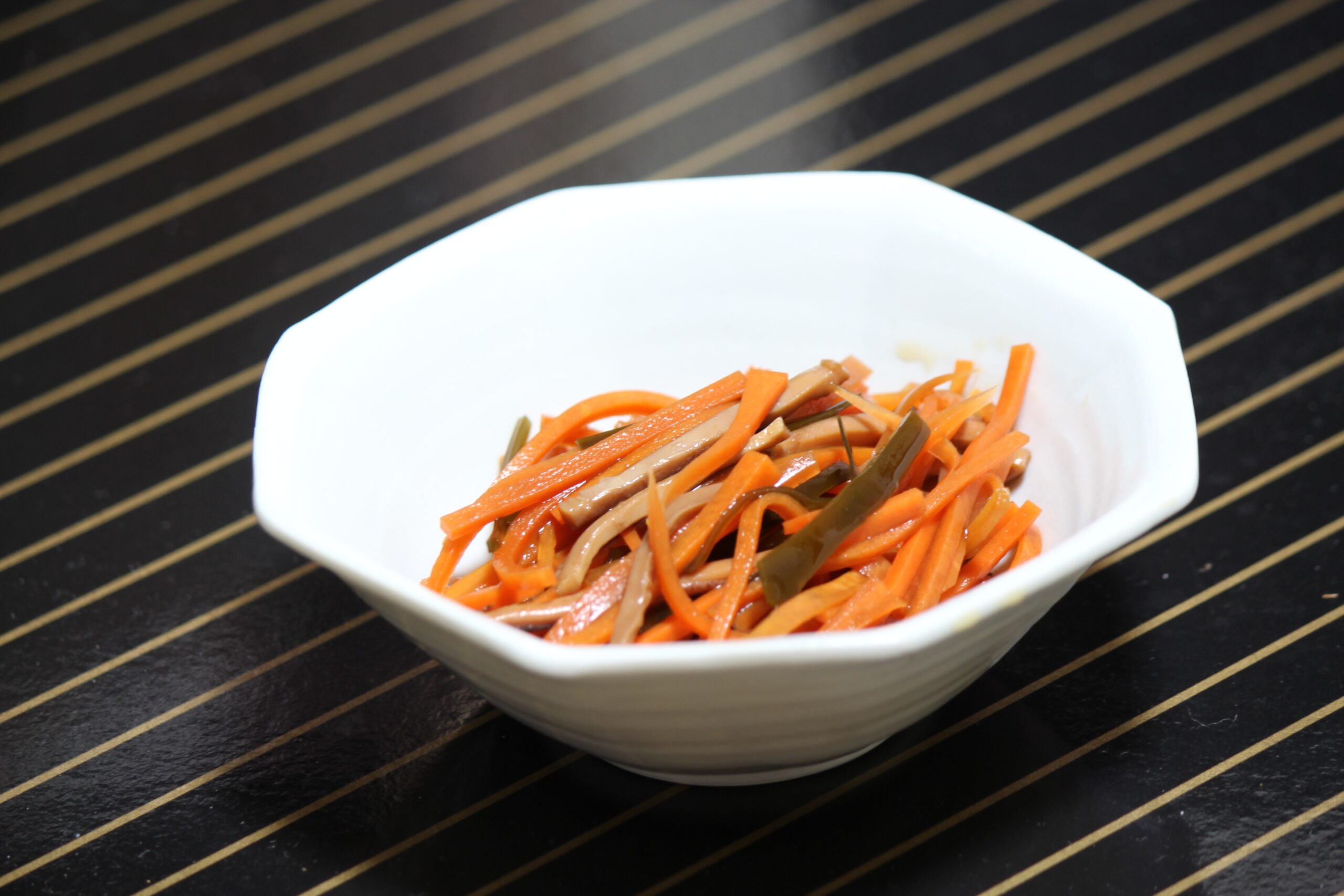
Attention to detail matters. Portions are carefully measured. Textures are considered alongside taste. Even the choice of serving vessels is intentional, reinforcing the relationship between food and material culture.
In many meals, presentation is not decorative but structural. Bowls and plates frame the food in a way that emphasizes balance and proportion, echoing principles found in traditional arts.
This connection between craft and cuisine is not symbolic—it is practical. Many artisans and chefs share overlapping values, prioritizing longevity, refinement, and respect for materials.

If you’d like help planning a smooth and well-organized trip to Japan, our travel consultants are here to assist.
Seasonal Awareness as a Guiding Principle
Seasonality in Ishikawa is not a marketing concept. It is a necessity shaped by climate and geography. Winters are cold and long, while summers bring humidity and abundant produce. These conditions have fostered a cuisine that adapts continuously.
Menus shift subtly with the seasons, highlighting what is available at its peak. Winter dishes emphasize warmth and nourishment, often incorporating preserved ingredients. Spring introduces lighter flavors and fresh vegetables. Summer and autumn celebrate abundance while preparing for the months ahead.
This cyclical approach creates a rhythm that diners come to recognize. Meals become markers of time, reinforcing a sense of continuity.
Local Ingredients and Regional Identity
Ishikawa’s location between mountains and sea provides access to diverse ingredients. Coastal areas supply seafood shaped by cold waters, while inland regions contribute rice, vegetables, and fermented products.
Rather than combining everything at once, local cuisine emphasizes focus. Each dish tends to highlight a small number of ingredients, allowing their character to remain distinct.
This approach strengthens regional identity. Food in Ishikawa tastes unmistakably of where it comes from, resisting homogenization in an increasingly globalized culinary landscape.
Everyday Meals and Cultural Continuity
While refined dining exists, Ishikawa’s food culture is sustained by everyday meals prepared in homes and small restaurants. These dishes are not designed to be memorable—they are designed to be reliable.
Families cook according to habit and season, passing techniques down informally rather than through written recipes. Adjustments are made intuitively, based on experience rather than measurement.
This everyday practice is what keeps culinary traditions alive. Rather than being preserved as heritage, they remain functional and adaptable.

Planning a trip to Japan and not sure where to start? We’re happy to help you design a journey that fits your travel style.
Dining as a Cultural Experience
For travelers, eating in Ishikawa offers insight into the prefecture’s values. Meals encourage attentiveness. Flavors are subtle, rewarding patience rather than speed.
Dining spaces often reflect the same principles seen in architecture and design: simplicity, proportion, and comfort. There is little pressure to rush or consume excessively.
This atmosphere fosters a deeper connection between food and place. Eating becomes less about consumption and more about participation in a shared rhythm.
Why Ishikawa’s Food Matters
Ishikawa’s cuisine demonstrates how culture can be sustained through everyday practice rather than formal preservation. Food here is not separated from craft, season, or community—it is an extension of them.
In a country celebrated for culinary innovation, Ishikawa stands apart by showing that refinement does not require reinvention. It requires attention, respect, and time.
To eat in Ishikawa is to understand its worldview: measured, intentional, and quietly confident.

Create Your Own Travel Booking With Us
We specialize in crafting unforgettable journeys across Japan. Whether you’re a solo traveler, couple, or family, our expert planners, multilingual guides, and customer care team ensure your adventure is seamless and unique — from first click to final destination.
Create your travel booking website with us — and let your story unfold in Japan.