When travelers think of spiritual Japan, they often picture mountain temples or ancient capitals. Yet some of the country’s most profound sacred landscapes lie far from major cities—along rugged coastlines, deep forests, and quiet rural roads. Wakayama Prefecture is one such place.
Located south of Osaka, Wakayama is rarely rushed. It is a region where mountains descend directly into the sea, where faith is tied to geography, and where spiritual practice has never fully separated from daily life. To travel Wakayama is not to “visit sights,” but to move through a living spiritual landscape shaped by centuries of belief, labor, and nature.
A Geography That Shapes Belief
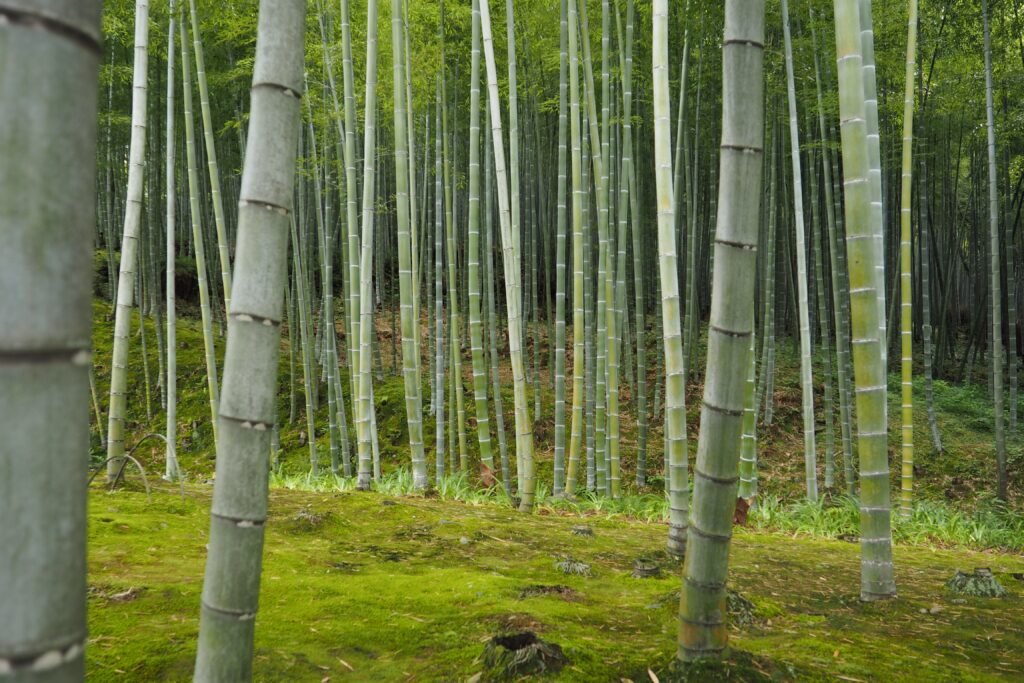
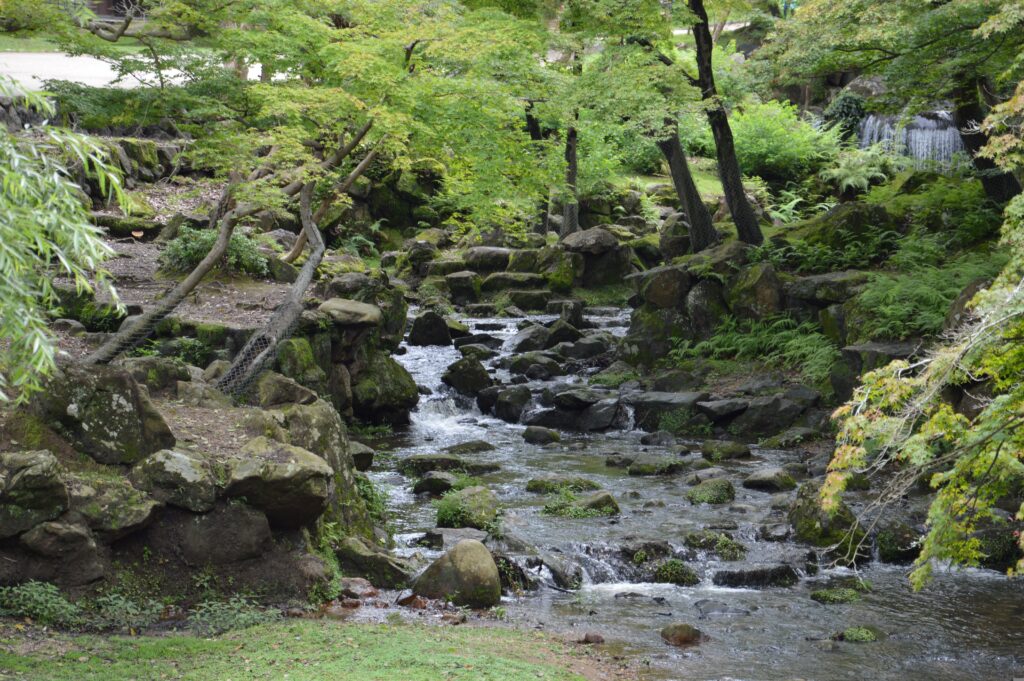
Wakayama’s terrain is dramatic. Dense forests cover steep mountains, rivers cut through valleys, and the Pacific Ocean stretches endlessly along its southern edge. This geography has long inspired reverence—and humility.
Rather than dominating nature, communities here adapted to it. Shrines and temples were placed where paths naturally converged, near water sources or mountain passes. Sacred spaces emerged not from grand design, but from repeated human movement through challenging terrain.
This intimate relationship between land and belief continues today. Spirituality in Wakayama feels grounded, physical, and deeply connected to place.
If you’d like help planning a smooth and well-organized trip to Japan, our travel consultants are here to assist.
A Living Sacred Network
Wakayama is best known as the heart of the Kumano region, where ancient pilgrimage routes once connected three major shrines through forests and mountains. But the spiritual network here extends far beyond famous destinations.
Small roadside shrines, weathered stone markers, and quiet coastal sanctuaries appear unexpectedly. These are not maintained for visitors—they serve local communities, fishermen, farmers, and families who still pause, bow, or offer thanks as part of daily routine.
Faith here is not confined to ceremony. It is woven into movement, work, and seasonal rhythms.
Coastline as Sacred Space
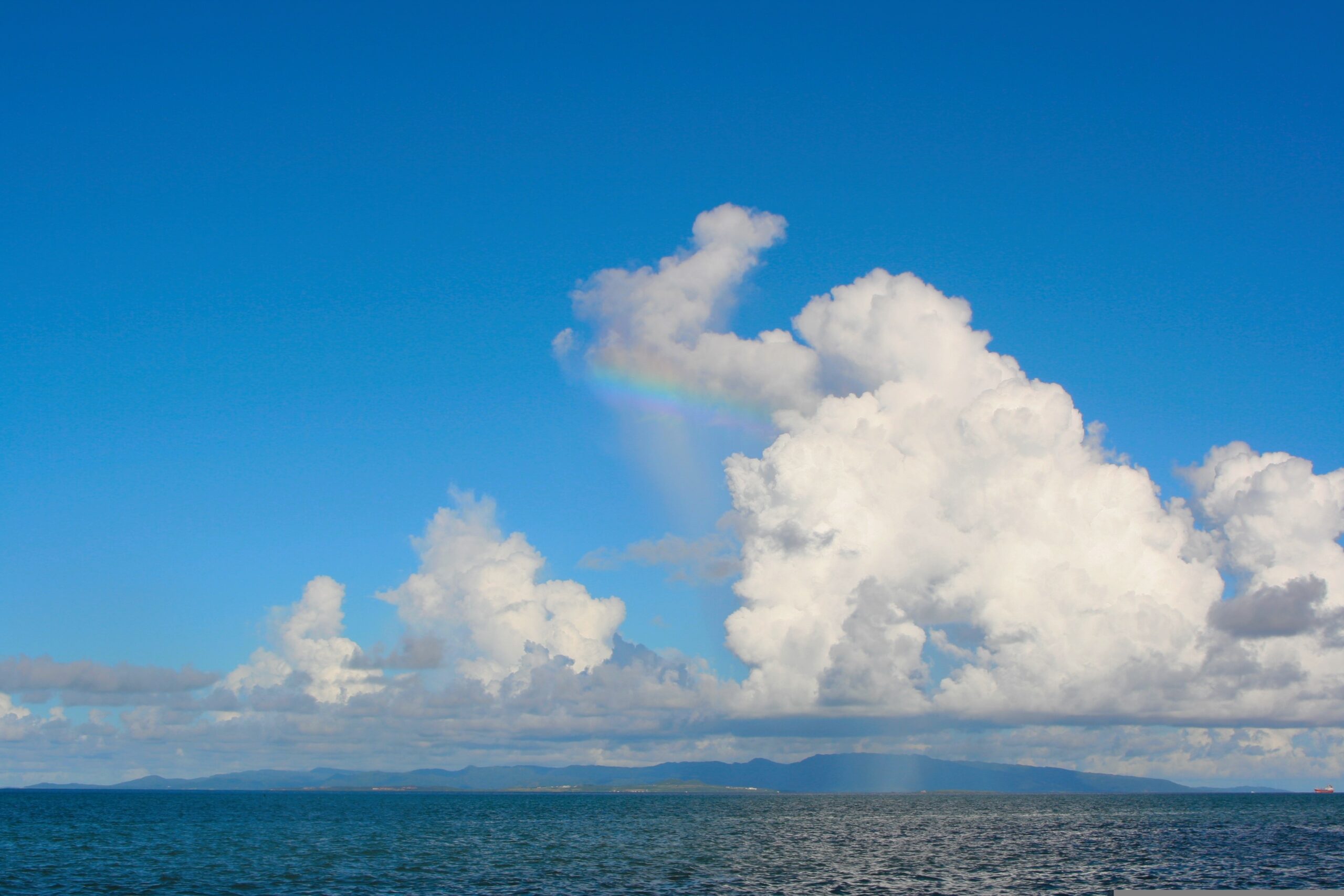
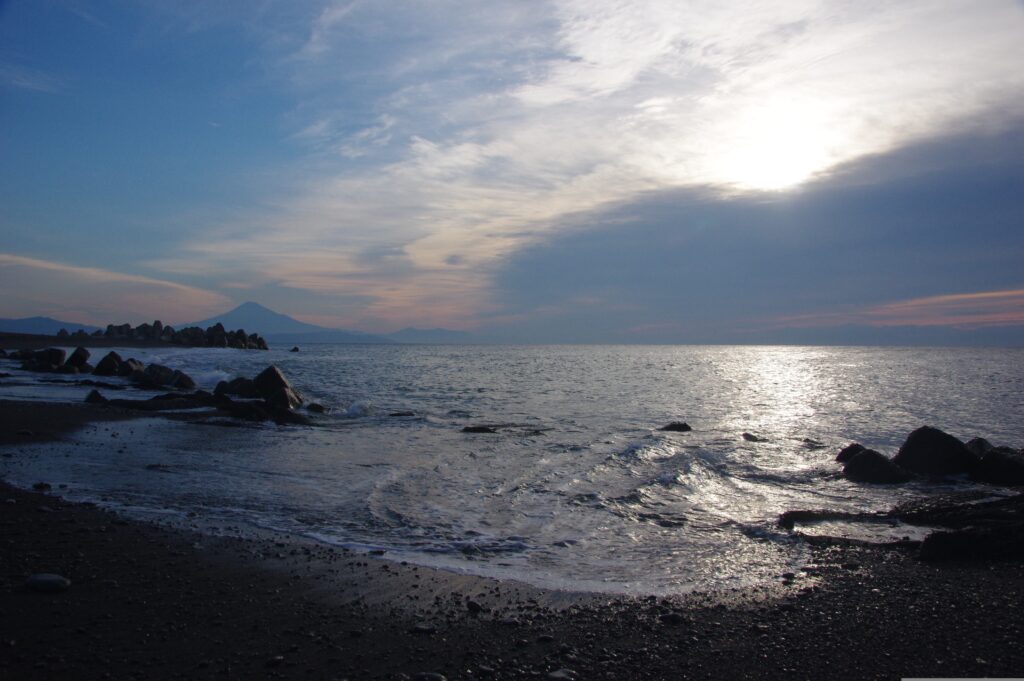
Unlike many spiritual regions centered entirely inland, Wakayama’s identity is inseparable from the sea. Fishing villages line the coast, their lives shaped by tides, weather, and uncertainty.
The ocean is both provider and threat. As a result, rituals honoring safety, abundance, and balance remain deeply meaningful. Local festivals, prayers before departure, and offerings to maritime deities reflect a worldview that respects forces beyond human control.
Travelers walking coastal roads often sense this quiet reverence—not through explanation, but through atmosphere.
Slowness as Cultural Practice
Wakayama does not reward haste. Roads wind through mountains, trains move deliberately, and distances feel longer than maps suggest. Yet this slowness is not inconvenience—it is part of the region’s character.
Time here expands. Meals are unhurried. Conversations linger. Even short walks invite pauses. This rhythm mirrors the spiritual philosophy embedded in the land: progress comes through steady movement, not speed.
For travelers accustomed to tightly scheduled itineraries, Wakayama offers a rare chance to recalibrate.
Between Pilgrimage and Daily Life
While famous routes like the Kumano Kodo draw international attention, local residents experience these paths differently. For them, the routes are not symbols—they are part of the landscape.
Some sections double as access roads or forest paths used for work. Others pass close to homes, fields, and schools. This overlap blurs the boundary between sacred journey and ordinary life.
Walking here means sharing space with people who are not traveling for meaning—but living within it.
Planning a trip to Japan and not sure where to start? We’re happy to help you design a journey that fits your travel style.
Spirituality Without Performance
One of Wakayama’s most striking qualities is its lack of spectacle. There are no dramatic reenactments, no choreographed rituals designed for viewing. Even at significant religious sites, behavior remains understated.
Silence is common. Instructions are minimal. Observation replaces explanation.
This can feel disorienting to visitors expecting interpretation. Yet it also allows for a more personal encounter—one shaped by attention rather than information.
Mountains, Monks, and Continuity
Inland, places like Mount Koya represent another layer of Wakayama’s spiritual landscape. Monastic life here follows routines refined over centuries, emphasizing discipline, repetition, and coexistence with nature.
What is remarkable is not the age of these practices, but their continuity. They persist not as preserved relics, but as lived systems supported by the surrounding region.
The mountains, forests, and coastal communities form a single spiritual ecosystem—each part sustaining the others.
Traveling Wakayama with Intention
Wakayama is best approached with flexibility and respect. Its spiritual depth reveals itself gradually, often between destinations rather than at them.
Thoughtful itinerary design can help travelers move comfortably through remote areas, balance walking and rest, and access places without disrupting local rhythms. The goal is not efficiency, but alignment—with landscape, time, and purpose.
For those seeking a deeper, quieter experience of Japan, Wakayama offers something increasingly rare: space to reflect, walk, and simply be present.
From itinerary planning to local recommendations, our consultation service helps you travel Japan with ease and confidence.
Beginning a deeper journey
Wakayama is not a destination to “cover.” It is a region to move through slowly, allowing its spiritual coastline, forest paths, and coastal villages to reshape how travel itself feels.

Create Your Own Travel Booking With Us
We specialize in crafting unforgettable journeys across Japan. Whether you’re a solo traveler, couple, or family, our expert planners, multilingual guides, and customer care team ensure your adventure is seamless and unique — from first click to final destination.
Create your travel booking website with us — and let your story unfold in Japan.