High in the mountains of northern Wakayama lies Mount Koya, a place often described as sacred, historic, or mystical. Yet none of these words fully capture what distinguishes it from other religious destinations in Japan.
What defines Mount Koya is not grandeur or spectacle, but stillness. Time moves differently here. Rituals are repeated without urgency. Silence is not an absence, but a presence that shapes every moment.
To experience Mount Koya is not simply to visit a temple complex—it is to step into a rhythm of life that has remained remarkably consistent for over a thousand years.
A Mountain Chosen for Distance
Mount Koya was never meant to be convenient.
Founded in the early 9th century as a monastic center of Shingon Buddhism, the mountain plateau was deliberately selected for its isolation. Surrounded by forested peaks, it offered separation from political centers and worldly distractions.
That sense of distance still defines the experience today. Even with modern transport, arrival feels like a transition—away from speed, noise, and immediacy.
This physical separation sets the foundation for everything that follows.
Time Measured by Practice, Not Clocks
Life on Mount Koya is structured around ritual rather than schedules.
Days begin early, often before sunrise. Morning prayers, chanting, and meditation occur at fixed times, but without the tension of deadlines. Meals follow a similar logic—prepared, served, and eaten as part of a cycle rather than a timetable.
For visitors, this can feel disorienting. There is little encouragement to “do more” or “see everything.” Instead, the mountain invites patience.
Time here is something you inhabit, not manage.
The Quiet Power of Repetition
Rituals on Mount Koya are not dramatic. Movements are precise, words familiar, gestures repeated countless times.
Yet it is precisely this repetition that gives them weight. Practices refined over centuries continue unchanged not because they resist change, but because they remain effective.
Watching or participating in these rituals reveals a different understanding of spirituality—one rooted in continuity rather than intensity.
Silence as a Shared Space
Silence on Mount Koya is communal.
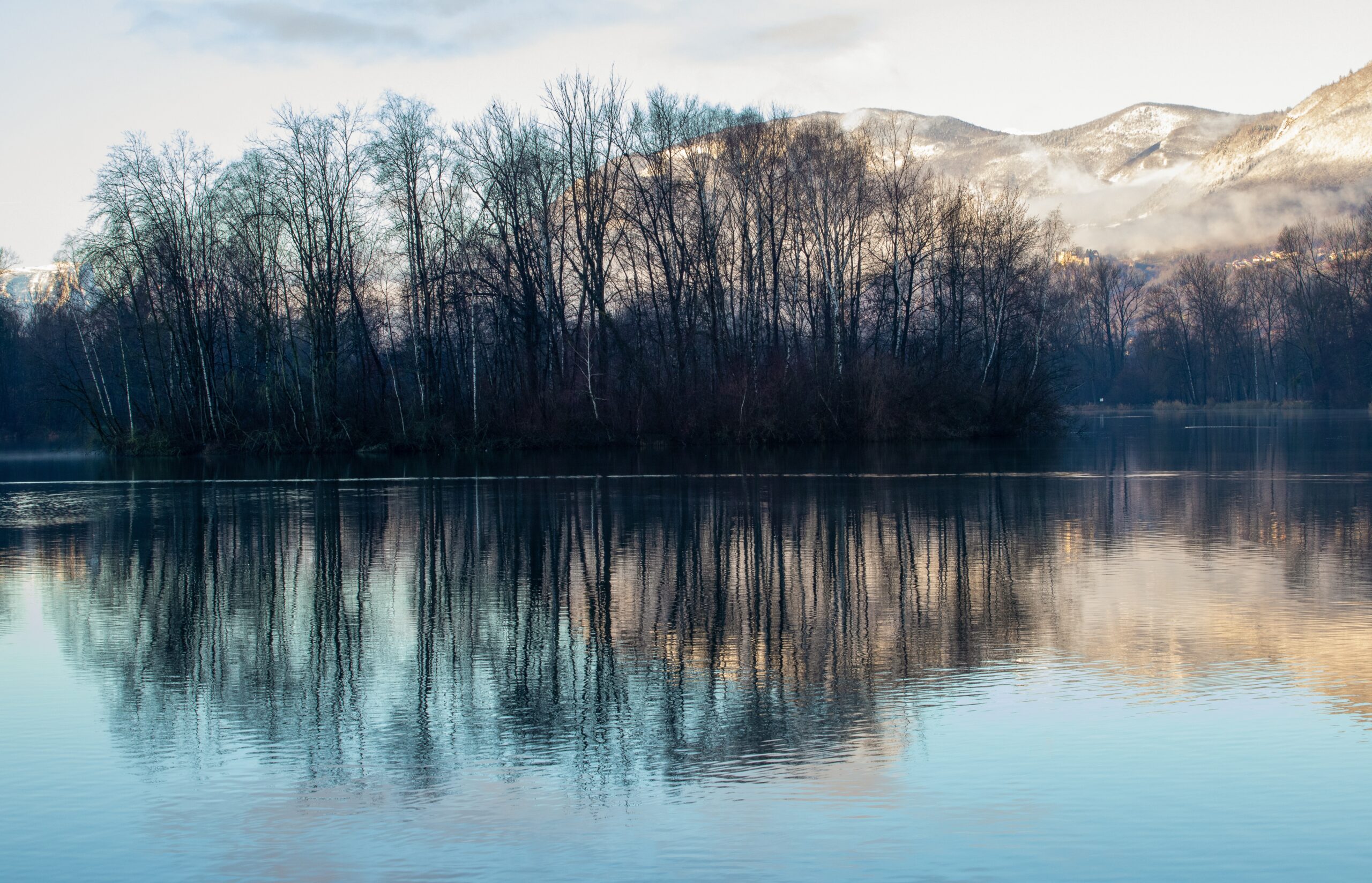
It exists in temple halls, forest paths, and the famous cemetery where moss-covered stones stretch endlessly into the trees. This silence is not enforced, but naturally respected.
Visitors often find themselves lowering their voices without realizing why. The environment encourages listening rather than speaking, observation rather than explanation.
In a world saturated with information, this shared quiet becomes one of Mount Koya’s most profound offerings.
For travelers seeking a personalized and stress-free Japan journey, our consultation service offers expert guidance every step of the way.
Meals as Spiritual Practice
Food on Mount Koya reflects the same philosophy that shapes its rituals.
Traditional vegetarian temple cuisine emphasizes balance, seasonality, and restraint. Portions are modest, flavors subtle. Eating is slow, intentional, and free from distraction.
These meals are not designed to impress. They exist to sustain both body and practice, reinforcing the idea that nourishment is part of spiritual discipline.
For travelers, sharing such meals can be a powerful reminder of how deeply belief systems influence daily life.
Living, Not Preserved
Despite its history, Mount Koya is not a museum.
Monks live, study, and work here. Rituals continue because they are necessary, not because they are watched. The mountain adapts quietly—modern utilities coexist with ancient routines, without erasing them.
This balance between continuity and adaptation gives Mount Koya its unique vitality. It is old, but never frozen.
Staying Overnight: Understanding Through Presence
While many visitors come for a few hours, the true character of Mount Koya emerges at night.
As day visitors depart, the mountain grows quieter. Paths empty. The air cools. Evenings are marked by reflection rather than activity.
Staying overnight—particularly within temple lodgings—allows travelers to experience the full cycle of the mountain’s rhythm. Morning prayers, early light, and unhurried meals reveal layers invisible during a brief visit.
Approaching Mount Koya with Intention
Mount Koya does not reward rushed itineraries or surface-level curiosity. Its value lies in presence, not consumption.
Thoughtful planning—allowing sufficient time, choosing appropriate accommodations, and understanding basic etiquette—helps travelers engage respectfully with this environment.
For those willing to slow down, Mount Koya offers a rare encounter with a living spiritual tradition that continues on its own terms.
If you’d like help planning a smooth and well-organized trip to Japan, our travel consultants are here to assist.
Entering a different rhythm of time
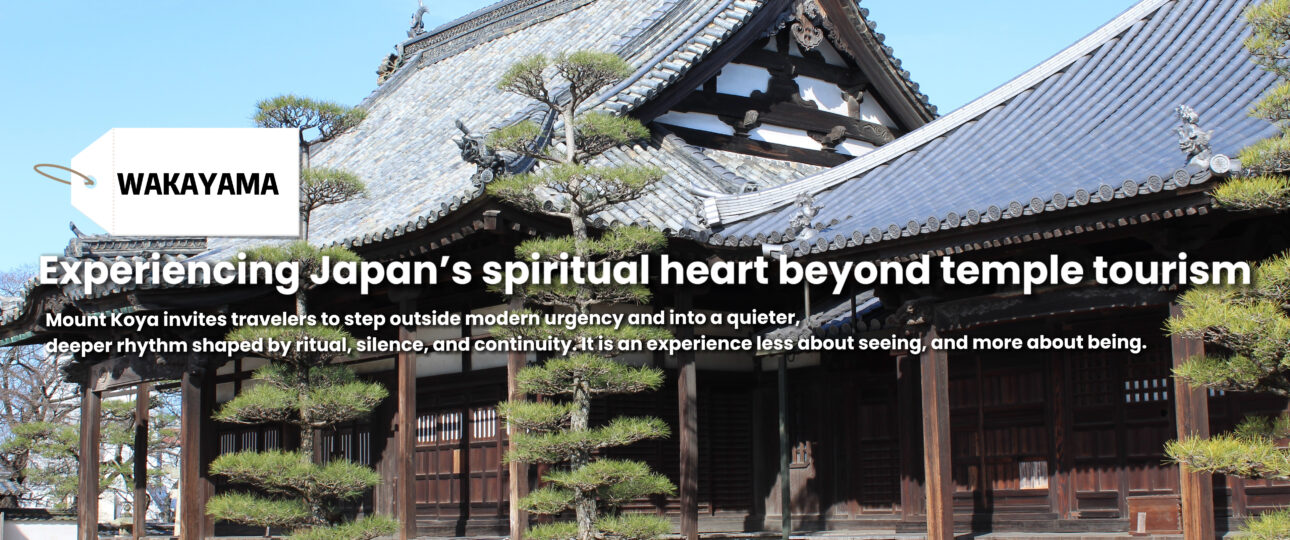
Mount Koya invites travelers to step outside modern urgency and into a quieter, deeper rhythm shaped by ritual, silence, and continuity. It is an experience less about seeing, and more about being.

Create Your Own Travel Booking With Us
We specialize in crafting unforgettable journeys across Japan. Whether you’re a solo traveler, couple, or family, our expert planners, multilingual guides, and customer care team ensure your adventure is seamless and unique — from first click to final destination.
Create your travel booking website with us — and let your story unfold in Japan.