Beyond Deer Parks and Famous Temples
When people think of Nara, a familiar image comes to mind: bowing deer, iconic temples, and a short half-day stop between Kyoto and Osaka. While these landmarks are undeniably important, they tell only a fraction of the story.
The real character of Nara reveals itself elsewhere—quietly, patiently, and often away from the crowds.
This ranking is not about popularity. It is about places that explain why Nara matters, and how it continues to shape Japanese culture today.
1. The Mountain Paths of Yoshino
Where Nature and Faith Became One
Long before Nara was a political center, its mountains were sacred. The forested slopes of Yoshino represent the birthplace of Japanese mountain worship, where nature itself was considered divine.
Walking these paths is not about reaching a destination—it is about moving through layers of belief that predate organized religion.
2. Asuka Village
The True Beginning of the Japanese State
Before Kyoto, before Nara city, there was Asuka.
Scattered with ancient tombs, stone structures, and palace ruins, Asuka feels less like a museum and more like an unfinished manuscript. It is here that Japan’s earliest centralized government took form.
For travelers interested in origins rather than highlights, Asuka offers unmatched depth.

Timing is everything when it comes to autumn foliage in Japan. Because the colors change quickly depending on elevation and region, planning the perfect trip can be challenging. Our autumn tours are scheduled to follow the best fall foliage timing across different regions of Japan.
3. The Old Streets of Imai-chō
Merchant Life Preserved Without Performance
Unlike restored historic towns designed for tourism, Imai-chō remains a living neighborhood.
Traditional townhouses line narrow streets, many still privately owned. There are no crowds, no staged experiences—just the quiet continuity of daily life.
It is one of the rare places where history is not reenacted, but simply lived.
4. Murō’s Mountain Temple District
Spirituality Without Scale
Often overshadowed by larger temple complexes, Murō’s significance lies in its intimacy.
Nestled deep in the mountains, its temples emphasize harmony with the surrounding forest rather than architectural dominance. The approach itself feels like a form of meditation.
This is where Nara’s spiritual culture becomes personal rather than monumental.
5. Rural Nara Countryside
Where Time Still Moves by Season
Beyond towns and temples, Nara’s countryside reveals a slower Japan—rice fields, small shrines, and villages shaped by agricultural rhythm.
Travelers who venture here experience a version of Japan rarely included in itineraries: one defined by continuity rather than novelty.
It is not visually dramatic, but deeply grounding.
6. Ancient Pilgrimage Routes
Walking as Cultural Understanding
Nara’s old pilgrimage routes were not designed for sightseeing. They connected mountains, shrines, and communities.
Following even a short section allows travelers to understand how movement itself once carried spiritual meaning—an idea largely lost in modern travel.
If you’re inspired by hidden places like these and want to explore more of Japan’s lesser-known autumn destinations, our seasonal tours are designed exactly for that. From scenic mountain valleys to peaceful countryside landscapes, we guide travelers to some of the most beautiful autumn locations across Japan.
7. Local Shrines Without Names
Everyday Faith in Plain Sight
Many of Nara’s most revealing spiritual spaces are unnamed, unmarked, and undocumented.
Small roadside shrines, often maintained by nearby residents, reflect a form of belief integrated into daily life rather than separated from it.
They reward attention, not planning.
8. Traditional Farmhouses and Landscapes
Architecture Shaped by Survival
In rural Nara, homes were built to endure—not to impress. Their layout reflects climate, agriculture, and community cooperation.
Understanding these spaces offers insight into how Japanese aesthetics developed from necessity, not minimalism.

9. Seasonal Food Culture
Eating What the Land Allows
Nara’s cuisine is understated, shaped by preservation methods and seasonal availability rather than luxury ingredients.
Meals here reflect restraint, balance, and respect for ingredients—values that influenced Japanese food culture nationwide.
10. Silence Itself
What Modern Travel Often Misses
Perhaps the most revealing element of Nara is its silence.
Away from crowded landmarks, the absence of noise becomes a presence of its own. It encourages observation, patience, and reflection—qualities essential to understanding Japan beyond images.
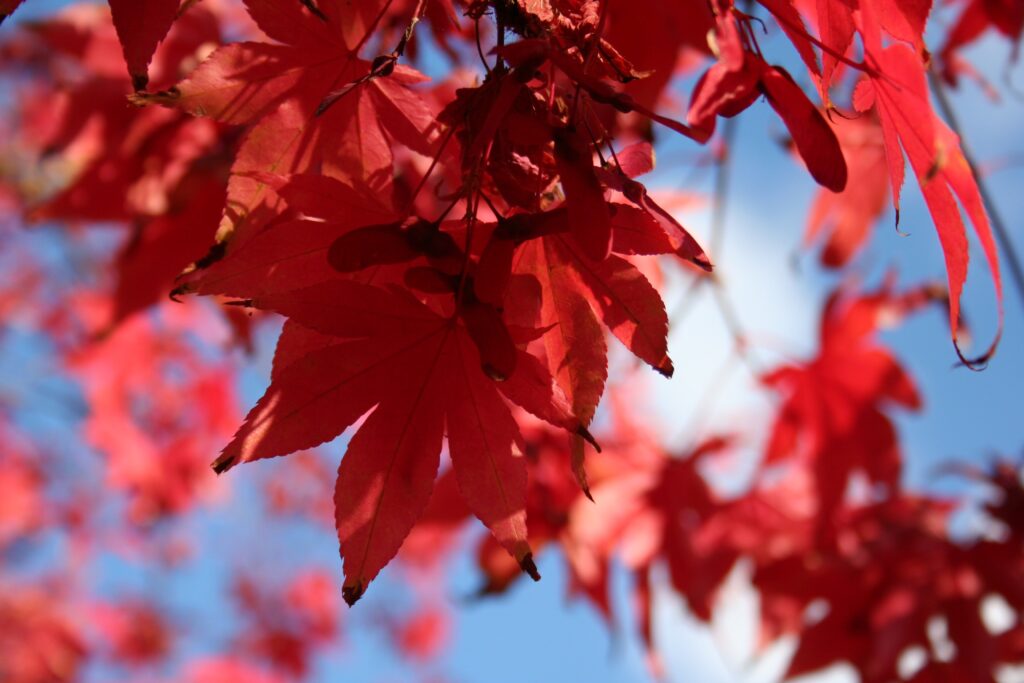
Want to experience these incredible autumn landscapes in person? Our curated Japan autumn tours combine breathtaking nature, cultural experiences, and comfortable travel planning so you can fully enjoy the beauty of the season.
Why These Places Matter
This ranking is not a checklist. It is an invitation to slow down and reframe expectations.
Nara is not a destination meant to be “done.” It is a place meant to be absorbed—layer by layer, step by step.
For travelers willing to look beyond surface-level icons, Nara offers something increasingly rare: a chance to encounter Japan before it learned how to explain itself.

Create Your Own Travel Booking With Us
We specialize in crafting unforgettable journeys across Japan. Whether you’re a solo traveler, couple, or family, our expert planners, multilingual guides, and customer care team ensure your adventure is seamless and unique — from first click to final destination.
Create your travel booking website with us — and let your story unfold in Japan.