Sand Dunes, Volcanic Mountains, and Wide-Open Silence
When most people imagine Japan, they picture neon skylines, dense temple districts, or meticulously layered gardens.
Very few imagine wind moving across sand dunes.
Very few imagine standing on a high ridge with no one in sight, looking out over a horizon that feels almost continental.
And yet, this is exactly what Tottori offers.
As Japan’s least populated prefecture, Tottori has preserved something that many other regions have gradually lost: space. Physical space. Visual space. Emotional space.
This ranking explores ten reasons why Tottori may be Japan’s most unexpected landscape.
1. The Only Large-Scale Sand Dunes in Japan
A Desert-Like Experience by the Sea
The iconic Tottori Sand Dunes stretch along the Sea of Japan, forming a landscape unlike anything else in the country.
Shaped by coastal winds over thousands of years, these dunes create shifting ridges and dramatic contours that change with light and weather. On clear days, the sea glimmers beyond the sand, creating a rare meeting of desert-like terrain and ocean horizon.
It feels less like typical Japan and more like a geographical anomaly.
2. Mount Daisen’s Volcanic Presence
A Sacred Mountain Without the Crowd
Rising in the distance, Mount Daisen dominates the western skyline.
Often compared to Mount Fuji for its shape, Daisen offers alpine trails, forested slopes, and seasonal color without the overwhelming visitor density found at more famous peaks.
Its presence is both spiritual and geological—a reminder that Tottori’s identity is rooted in powerful natural forces.
Discover Japan’s most beautiful destinations with our curated travel experiences.
3. A Coastline That Feels Untamed
Cliffs, Rock Formations, and Open Sea
The San’in coastline facing the Sea of Japan presents rugged cliffs, jagged rock formations, and fishing villages that cling to narrow inlets.
Unlike the calmer Seto Inland Sea, this coastline feels exposed. Winds are stronger. Waves are heavier. The atmosphere carries a certain rawness.
It is a side of Japan that feels closer to nature than to postcard perfection.
4. Wide Agricultural Plains
Horizons Rare in Japan
In many regions of Japan, mountains compress towns into narrow valleys.
In Tottori, agricultural plains open outward. Rice fields and vegetable farms stretch toward distant hills, creating horizontal lines rarely seen elsewhere in the country.
These broad views contribute to the prefecture’s distinctive feeling of spaciousness.

5. Minimal Urban Density
Silence as a Landscape Feature
Tottori City, the prefectural capital, remains modest in scale. Beyond it, smaller towns maintain low-rise structures and uncluttered streets.
Because the population is sparse, even central areas feel breathable. Silence is not accidental—it is structural.
And that silence becomes part of the scenery.
6. Seasonal Extremes That Redefine the Same Place
Wind, Snow, and Shifting Light
Tottori transforms dramatically with the seasons.
Winter snow reshapes Mount Daisen into a white massif. Autumn paints forested slopes in copper and crimson. Spring softens the dunes under pale light.
The same landscape feels entirely different depending on climate, emphasizing change rather than permanence.

Planning a trip to Japan and not sure where to start? We’re happy to help you design a journey that fits your travel style.
7. Sky as a Dominant Element
More Visible Horizon
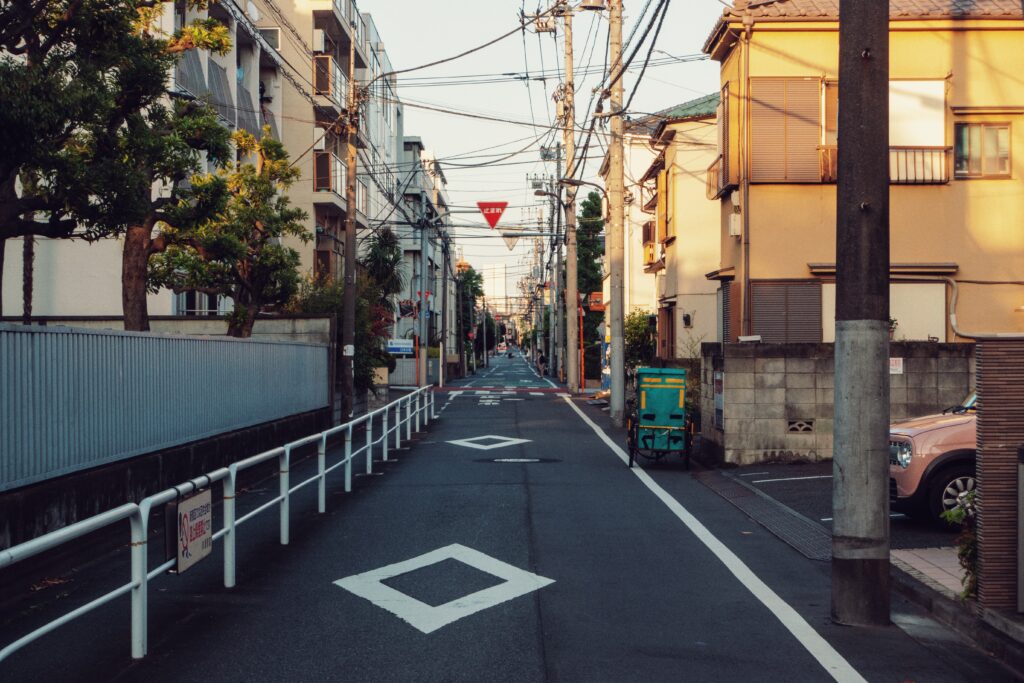
In densely built cities, the sky is fragmented by buildings and wires.
In Tottori, the sky feels expansive. Whether standing on the dunes or along the coast, the horizon line stretches wide. Cloud formations become part of the experience.
The scale encourages contemplation rather than distraction.
8. Fishing Villages Rooted in Geography
Architecture Shaped by Wind
Small coastal communities throughout the prefecture reflect adaptation to strong seasonal weather.
Homes are positioned strategically. Materials are chosen for durability. Harbors are protected by carefully engineered breakwaters.
These villages exist not in spite of geography, but because of it.

9. Trails That Feel Solitary
Walking Without Performance
Hiking routes around Mount Daisen and coastal paths often provide long stretches without encountering other travelers.
This solitude is increasingly rare in Japan’s more publicized destinations. Walking here feels personal rather than performative.
Nature is experienced directly, without an audience.
10. A Landscape That Challenges Expectations
Japan Without the Familiar Frame
Perhaps the most powerful reason Tottori feels unexpected is that it disrupts assumptions.
There are fewer temples, fewer neon lights, fewer crowds. Instead, there is sand, wind, rock, forest, and open sea.
It expands the mental map of what Japan can be.

Want to experience Japan without the stress of planning?
Why Tottori’s Landscape Matters
In a country celebrated for precision and density, Tottori offers openness.
It reminds travelers that Japan is not defined solely by urban energy or historic architecture. It is also defined by wind shaping sand, volcanic slopes rising quietly, and coastlines carved by time.
Tottori does not compete with louder destinations.
It stands apart—through scale, silence, and space.

Create Your Own Travel Booking With Us
We specialize in crafting unforgettable journeys across Japan. Whether you’re a solo traveler, couple, or family, our expert planners, multilingual guides, and customer care team ensure your adventure is seamless and unique — from first click to final destination.
Create your travel booking website with us — and let your story unfold in Japan.