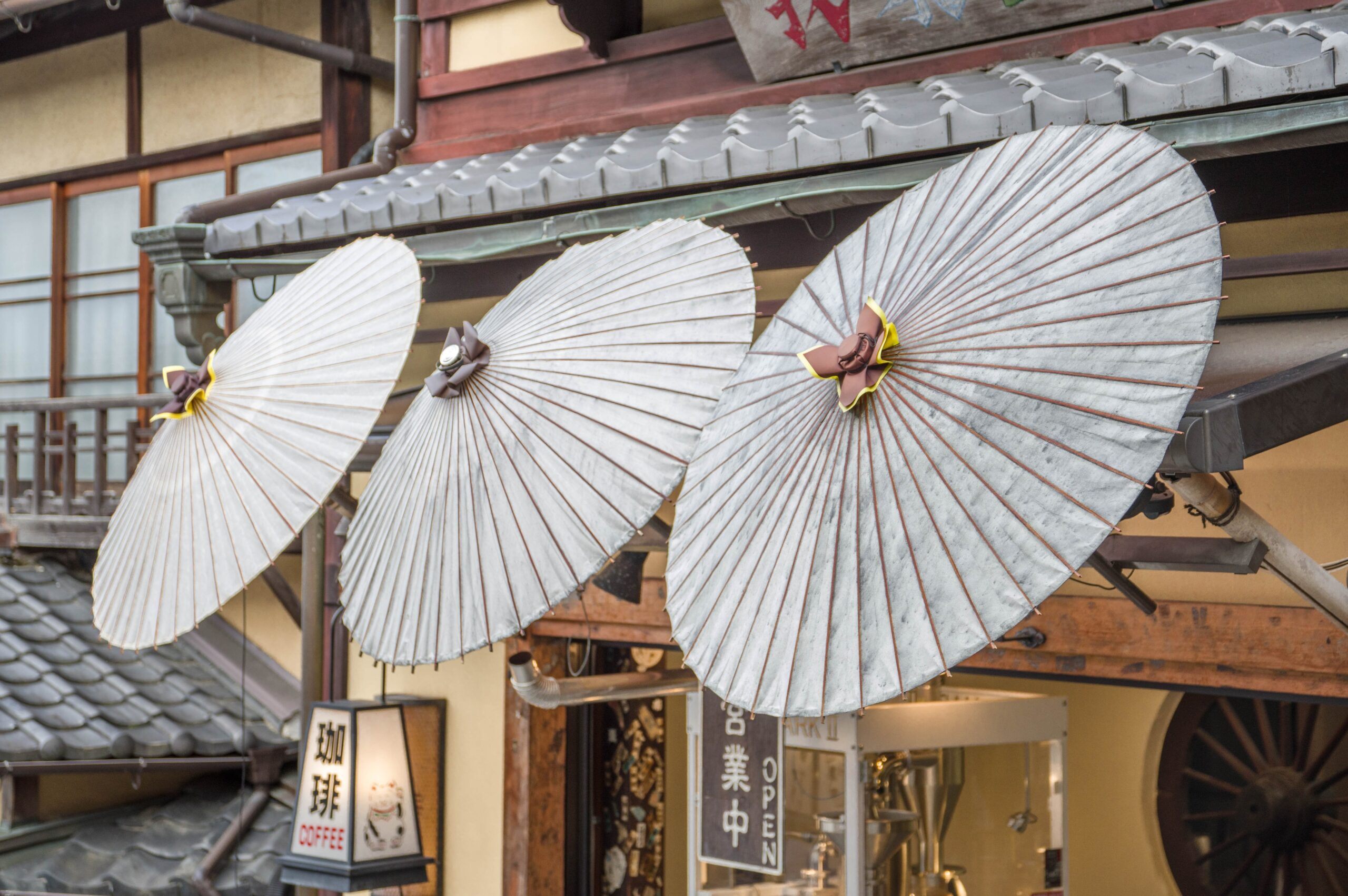
In many parts of Japan, tradition is carefully preserved—displayed in museums, reenacted during festivals, or framed as something separate from modern life. In Ishikawa Prefecture, tradition is not staged. It is lived.
From the streets of Kanazawa to quiet coastal towns along the Sea of Japan, Ishikawa remains one of the rare places where historical values continue to shape everyday routines. Craftsmanship, seasonal awareness, and an appreciation for restraint are not cultural performances here—they are habits embedded in daily life.
For travelers seeking a deeper understanding of Japan beyond its major urban centers, Ishikawa offers an experience defined by continuity rather than contrast.
A Region Shaped by History, Not Reinvented by It
Ishikawa’s cultural depth is inseparable from its history as the center of the Kaga Domain, once ruled by one of Japan’s wealthiest feudal clans. Unlike many regions that lost cultural assets to war or modernization, Ishikawa—particularly its capital Kanazawa—retained much of its historical structure.
Yet what makes Ishikawa distinctive is not how well it preserved the past, but how seamlessly it carried it forward. Rather than rebuilding tradition as nostalgia, the region integrated it into modern life. Crafts continued to evolve, food culture adapted to changing tastes, and neighborhoods retained their character without resisting progress entirely.
This balance between preservation and adaptation defines Ishikawa’s identity.
Craft as a Living Language
Ishikawa is often associated with traditional crafts—lacquerware, ceramics, gold leaf, and textiles—but these are not relics confined to workshops or souvenir shops. They remain part of daily use.
Local households still favor handmade items, not because they are labeled “traditional,” but because they are functional, durable, and quietly beautiful. Restaurants serve food on locally made tableware. Shops display craftsmanship without excessive explanation. The objects speak for themselves.
This everyday presence of craft creates an environment where quality is assumed rather than advertised. For visitors, it offers a rare chance to see Japanese craftsmanship as it was always intended—not as art alone, but as a natural extension of life.
If you’d like help planning a smooth and well-organized trip to Japan, our travel consultants are here to assist.
An Aesthetic of Restraint
Ishikawa’s visual language is subtle. Streets are orderly without being rigid. Architecture favors balance over scale. Interiors emphasize space, light, and material rather than decoration.
This aesthetic restraint is closely tied to regional values. Beauty here is not meant to dominate attention; it is meant to reward observation. The longer one stays, the more details emerge—textures of wood, muted colors, the way light changes through seasons.
Travelers often describe Ishikawa as calming, though nothing about it is overtly designed to relax. The effect comes naturally, from environments shaped by generations who valued harmony over spectacle.
Seasonal Awareness Beyond Tourism
Japan is known for its seasonal culture, but in Ishikawa, seasonality extends beyond festivals and food trends. It influences work rhythms, social habits, and even conversation.
Winter brings snow from the Sea of Japan, encouraging slower movement and inward-focused activities. Spring signals renewal through subtle changes rather than dramatic displays. Summer emphasizes freshness and balance, while autumn highlights harvest and reflection.
This deep awareness of time passing—not measured in deadlines, but in natural transitions—gives Ishikawa a grounded quality that resonates with visitors seeking a more mindful way to travel.
Food as Cultural Expression
Ishikawa’s food culture reflects the same values found in its crafts and architecture. Ingredients are treated with respect, preparation is precise but unpretentious, and presentation avoids excess.
Local cuisine draws from both the sea and the land, shaped by climate and geography rather than trend. Meals feel intentional, even when simple. Rather than impressing diners, food in Ishikawa aims to satisfy quietly.
For travelers, dining becomes less about discovering “famous dishes” and more about understanding how taste, season, and place intersect.
Planning a trip to Japan and not sure where to start? We’re happy to help you design a journey that fits your travel style.
Daily Life That Welcomes Observation
One of Ishikawa’s most compelling qualities is how open it feels to quiet observation. Neighborhoods function without spectacle. Markets operate without performance. Residents go about their routines without urgency.
Visitors are rarely treated as outsiders, yet they are not entertained either. Instead, they are allowed to observe—an increasingly rare privilege in popular travel destinations.
This creates a sense of mutual respect. Travelers adjust their pace naturally, becoming participants rather than consumers.
Why Ishikawa Matters Today
In a time when travel often prioritizes immediacy and visibility, Ishikawa represents an alternative approach. It offers depth without complexity, tradition without rigidity, and beauty without excess.
For travelers interested in Japanese culture as a living system—not a curated experience—Ishikawa provides clarity. It shows how history can remain relevant, how craftsmanship can remain useful, and how daily life can remain thoughtful in a modern world.
Ishikawa does not announce itself loudly. But for those willing to listen, it speaks clearly.

Create Your Own Travel Booking With Us
We specialize in crafting unforgettable journeys across Japan. Whether you’re a solo traveler, couple, or family, our expert planners, multilingual guides, and customer care team ensure your adventure is seamless and unique — from first click to final destination.
Create your travel booking website with us — and let your story unfold in Japan.