Beyond Temples, Neon Lights, and Crowded Viewpoints
When people describe Japan’s scenery, they often mention cherry blossoms, torii gates, bamboo forests, or illuminated city skylines.
Tottori tells a different story.
Here, wind shapes dunes. Lava once shaped mountains. Winter storms sculpt coastlines. Agricultural plains stretch outward rather than upward.
Nature in Tottori is not decorative—it is elemental.
This ranking highlights ten natural wonders that redefine how Japanese scenery can look and feel.
1. Tottori Sand Dunes
Wind as Architect
The vast expanse of the Tottori Sand Dunes is Japan’s most geographically unexpected landscape.
Formed over thousands of years by sediment deposits from the Sendai River and shaped by persistent coastal winds, the dunes rise and fall in dramatic curves. The texture shifts hourly as shadows lengthen and ridgelines move.
This is not a static landmark. It is a living terrain.
2. Mount Daisen
Volcanic Majesty in Western Japan
Mount Daisen stands as the highest peak in the Chūgoku region.
Its profile changes dramatically depending on viewpoint—sometimes resembling a symmetrical cone, sometimes appearing jagged and alpine. Dense beech forests blanket its lower slopes, while upper ridges reveal volcanic rock and open sky.
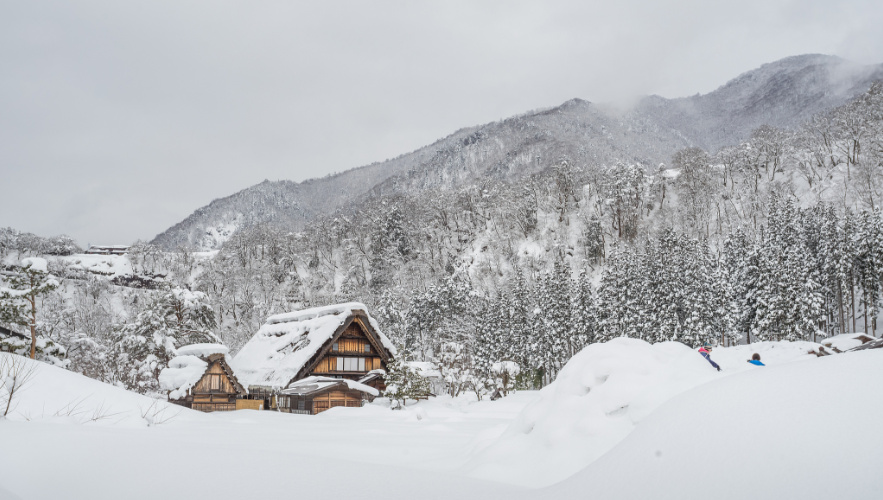
In winter, heavy snowfall transforms the mountain into a pristine white mass rarely seen in western Japan.
Planning a trip to Japan and not sure where to start? We’re happy to help you design a journey that fits your travel style.
3. Uradome Coast
Cliffs and Clear Water
The Uradome Coast is known for its jagged rock formations, sea caves, and remarkably transparent waters.
Carved by waves along the Sea of Japan, this stretch of coastline offers boat tours and walking paths that reveal geological complexity up close. The color contrast between turquoise shallows and dark stone cliffs creates dramatic visual depth.
It is rugged rather than polished.
4. Misasa Onsen’s River Landscape
Hot Springs in a Quiet Valley
The hot spring town of Misasa sits along a gentle river surrounded by wooded hills.
Steam rises subtly from open-air baths while the river flows steadily through the center of town. Unlike large resort-style onsen destinations, Misasa feels compact and intimate.
Nature here is integrated into daily routine.

5. The Hōjō Sand Hills
Lesser-Known Dune Formations
Beyond the famous main dunes, smaller sand formations along the coast create additional pockets of desert-like scenery.
These areas attract fewer visitors and allow travelers to observe wind patterns, vegetation adaptation, and subtle ecological balance in quieter conditions.
They reveal how dynamic the coastal environment truly is.
6. Beech Forests of Daisen
Seasonal Color and Stillness
The lower elevations of Mount Daisen are covered in expansive beech forests.
In spring, pale green leaves filter soft light across the forest floor. In autumn, the same trees turn golden and copper. Snow blankets the branches in winter, reducing sound and amplifying stillness.
The forest demonstrates how silence can be visual.

From itinerary planning to local recommendations, our consultation service helps you travel Japan with ease and confidence.
7. Amedaki Falls
Vertical Motion in a Horizontal Region
Amedaki Falls cascades dramatically through forested terrain.
While Tottori is often associated with horizontal openness—plains and coastlines—this waterfall introduces vertical intensity. Water drops in powerful tiers, contrasting with the region’s broader, flatter landscapes.
It reminds visitors that variety exists even within minimalism.
8. Lake Koyama
Calm Waters Near the Sea
Lake Koyama lies near Tottori City, connected indirectly to the Sea of Japan.
Its surface is often glassy, reflecting expansive sky. Walking paths circle the shoreline, and seasonal flowers add subtle color without overwhelming the scene.
It offers quiet reflection rather than dramatic spectacle.
9. Winter Along the Sea of Japan
Snow Meeting Ocean
Winter in Tottori is transformative.
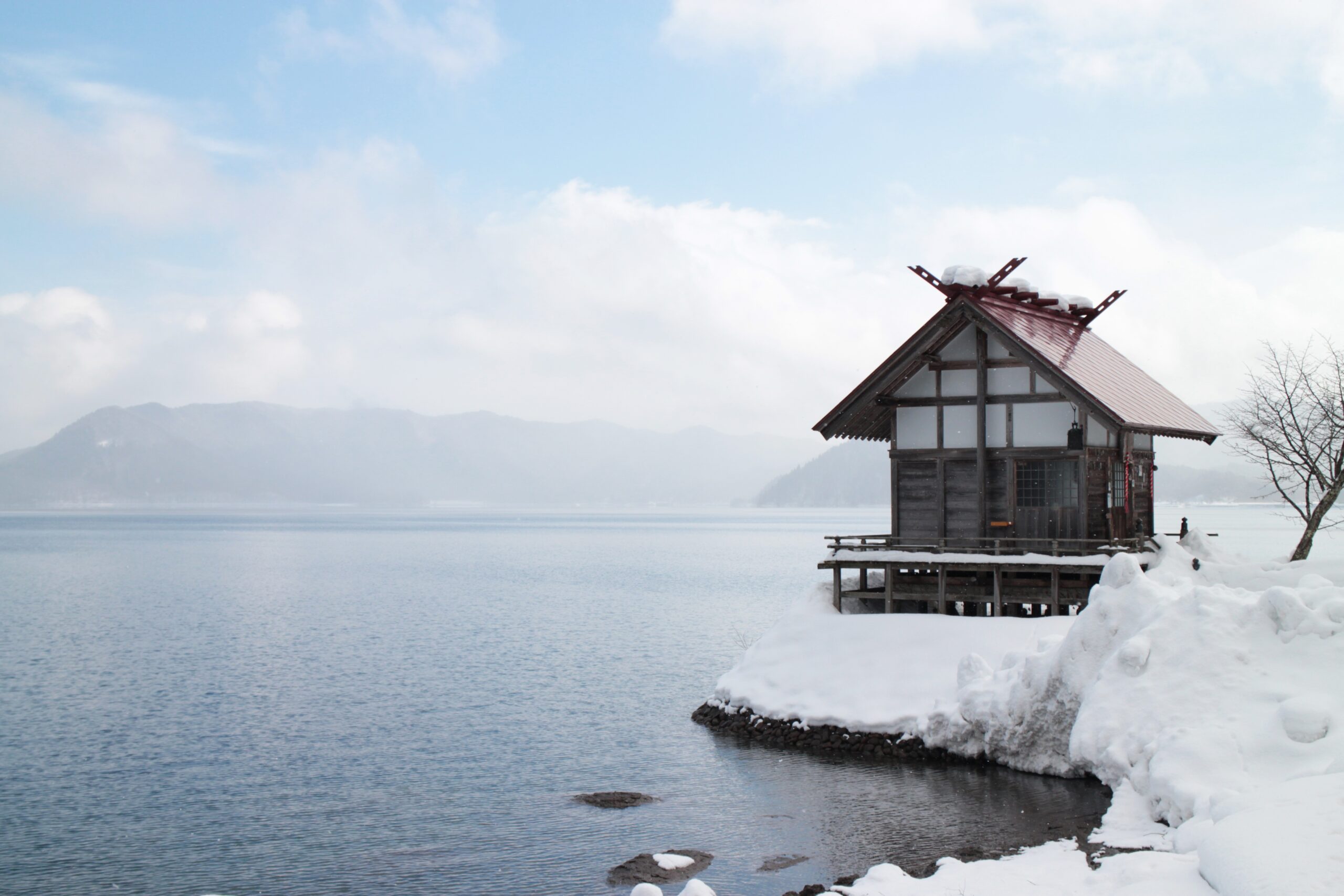
Snow accumulates along coastal roads and mountain slopes, creating rare scenes of white landscapes merging with gray-blue sea. Storm clouds roll in dramatically, and waves strike against rocky outcrops.
The atmosphere feels cinematic and powerful.
10. The Absence of Overdevelopment
Nature Without Interruption
Perhaps the most defining natural wonder in Tottori is what is not present: large-scale overdevelopment.
Many scenic areas remain free of high-rise hotels, neon signage, or dense infrastructure. Sightlines remain open. Coastlines feel continuous.
The integrity of the landscape remains largely intact.
For travelers seeking a personalized and stress-free Japan journey, our consultation service offers expert guidance every step of the way.
Why Tottori Redefines Japanese Scenery
Japan is often associated with intricate detail—temple carvings, garden arrangements, neon-lit neighborhoods.
Tottori shifts the scale.
Here, scenery is defined by wind patterns, volcanic history, seasonal snow, and ocean exposure. It is broader, quieter, and more elemental than many travelers expect.
For those willing to look beyond familiar imagery, Tottori reveals a version of Japan shaped not by density, but by geography.

Create Your Own Travel Booking With Us
We specialize in crafting unforgettable journeys across Japan. Whether you’re a solo traveler, couple, or family, our expert planners, multilingual guides, and customer care team ensure your adventure is seamless and unique — from first click to final destination.
Create your travel booking website with us — and let your story unfold in Japan.