Villages, Walks, and a Way of Life That Refuses to Rush
Nara is not a place that rewards speed.
Those who pass through quickly often leave with familiar images. Those who stay—walk, wait, and observe—encounter something far more lasting. Nara’s true value lies not in landmarks, but in experiences shaped by time, repetition, and restraint.
This ranking highlights ten slow travel experiences that reveal how life in Nara continues at its own pace.
1. Walking Without a Destination in Rural Villages
Letting the Landscape Lead
In Nara’s countryside, the most meaningful walks often have no endpoint.
Paths wind through fields, forests, and small settlements where daily life continues uninterrupted. Without signage or crowds, travelers move by intuition rather than itinerary.
The experience teaches patience—and attentiveness.
2. Staying Overnight Near Sacred Mountains
When Night Changes Perspective
Many visitors leave Nara’s mountain regions before sunset.
Staying overnight allows travelers to experience silence, darkness, and early morning rituals that reveal a different dimension of place. The absence of activity becomes part of the experience.
Time stretches. Awareness sharpens.
Planning a trip to Japan and not sure where to start? We’re happy to help you design a journey that fits your travel style.
3. Following Old Pilgrimage Routes at Walking Speed
Travel as Process, Not Outcome
Nara’s historic pilgrimage routes were never designed for efficiency.
Walking even a short section transforms movement into reflection. The physical effort, uneven ground, and gradual change in scenery create a sense of continuity rarely found in modern travel.
Here, progress is measured in steps, not distance.
4. Spending a Morning in an Unnamed Shrine Area
Observing Everyday Belief
Small shrines maintained by local communities often go unnoticed.
Arriving early, travelers may witness quiet acts of devotion—cleaning, offerings, brief prayers. There is no explanation, no performance, and no expectation of an audience.
Belief here is lived, not displayed.
5. Eating Seasonally Without a Menu
Trusting What Is Available
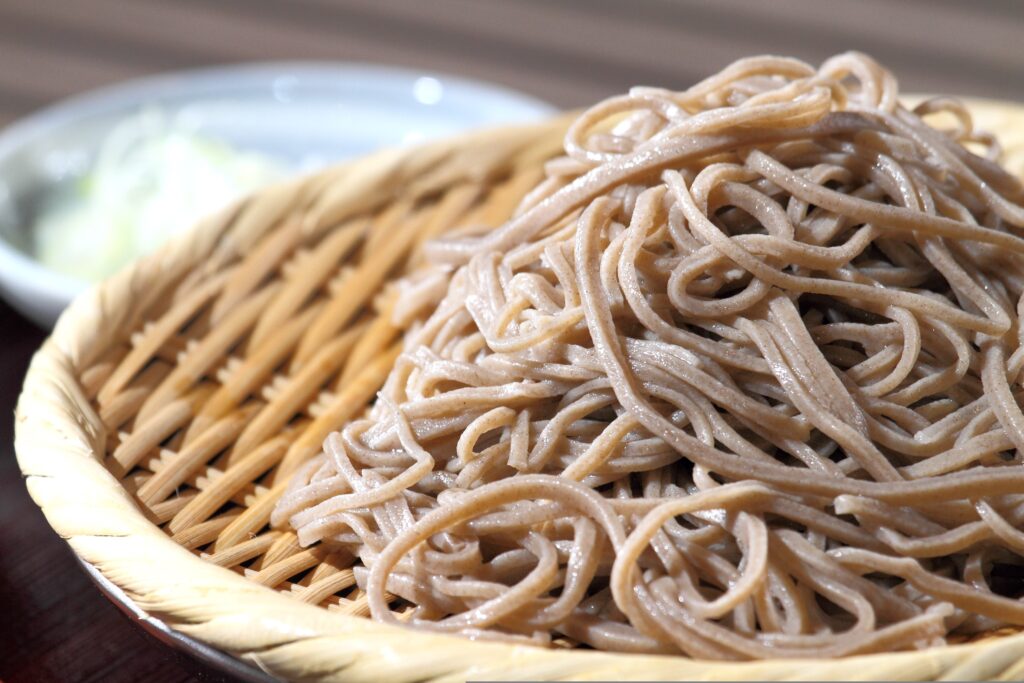
In rural Nara, meals often reflect what the land provides at that moment.
Seasonal vegetables, preserved foods, and simple preparations dominate. Rather than choosing, travelers accept. This shift—from selection to reception—changes how food is experienced.
Meals become lessons in restraint and gratitude.
6. Observing Agricultural Rhythm
Understanding Time Through Labor
Rice fields, terraced land, and small farms define much of Nara’s landscape.
Watching farmers work—planting, maintaining, harvesting—reveals a cycle that governs community life. Progress is slow, repetitive, and intentional.
This rhythm offers a counterpoint to modern productivity.
From itinerary planning to local recommendations, our consultation service helps you travel Japan with ease and confidence.
7. Quiet Time in Temple Grounds Without Entry
Presence Without Participation
Some of Nara’s most reflective moments happen outside temple buildings.
Sitting on steps, under trees, or near gates allows travelers to absorb atmosphere without ritual or instruction. The absence of engagement becomes a form of engagement itself.
Nothing needs to be done.
8. Visiting Local Markets at Opening Hours
Daily Life Before Tourism Arrives
Early morning markets reveal a version of Nara unseen later in the day.
Vendors prepare quietly. Locals exchange brief conversations. There is no rush, no spectacle. For travelers, this moment offers a sense of inclusion rather than observation.
You are present, not consuming.
9. Taking Time to Do Nothing
Stillness as an Experience
Slow travel in Nara includes intentional inactivity.
Sitting, waiting, watching weather change—these moments are not gaps between activities, but experiences in themselves. Nara allows travelers to feel comfortable without constant stimulation.
Stillness becomes meaningful.
10. Leaving Without Seeing Everything
Resisting Completion
Perhaps the most authentic slow travel experience in Nara is leaving things undone.
Accepting that not everything can—or should—be seen reinforces the region’s philosophy. Nara is not meant to be completed.
It is meant to be returned to.

For travelers seeking a personalized and stress-free Japan journey, our consultation service offers expert guidance every step of the way.
Why Nara Is Ideal for Slow Travel
Nara rewards travelers who surrender control.
Without rushing between highlights, visitors gain insight into how Japanese culture values continuity, moderation, and attentiveness. Experiences unfold gradually, shaped by environment rather than schedule.
For those seeking depth over density, Nara offers something rare: permission to slow down.

Create Your Own Travel Booking With Us
We specialize in crafting unforgettable journeys across Japan. Whether you’re a solo traveler, couple, or family, our expert planners, multilingual guides, and customer care team ensure your adventure is seamless and unique — from first click to final destination.
Create your travel booking website with us — and let your story unfold in Japan.