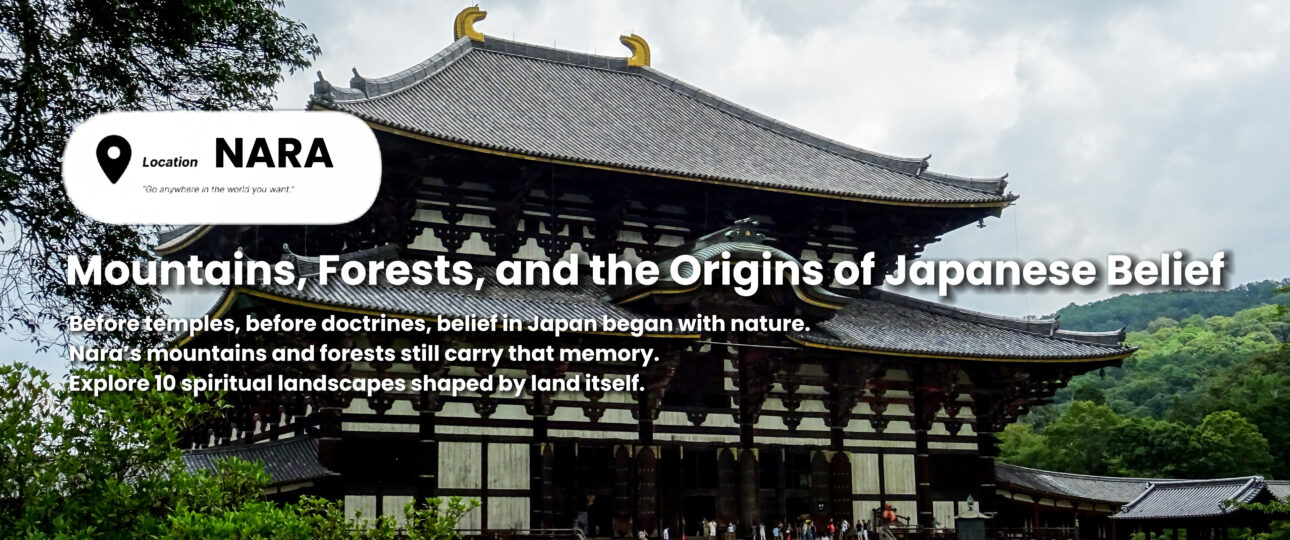
Mountains, Forests, and the Origins of Japanese Belief
Before doctrines, before sacred buildings, and before written scripture, spirituality in Japan was shaped by landscape.
Nara is where this relationship between nature and belief remains most visible. Mountains were not symbols—they were deities. Forests were not scenery—they were boundaries between worlds. Paths were not routes—they were rituals.
This ranking focuses on spiritual landscapes, places where belief emerges from environment rather than architecture.
1. Yoshino’s Sacred Mountains
Where Nature Became Divine
The mountains of Yoshino are not spiritually significant because of what was built there, but because of what was already believed to exist.
Long before temples appeared, these forested slopes were revered as living entities. The practice of mountain worship developed here, shaping Japanese spirituality for centuries.
Walking through Yoshino feels less like visiting a holy site and more like entering a living system of belief.
2. Ōmine Mountain Range
The Boundary Between the Human and the Sacred
Ōmine represents one of Japan’s most enduring spiritual traditions: ascetic mountain practice.
The mountains are demanding, steep, and often silent. Spirituality here is not comforting—it is transformative. Belief is tested through physical effort, weather, and solitude.
This landscape teaches that faith is something experienced, not explained.
For travelers seeking a personalized and stress-free Japan journey, our consultation service offers expert guidance every step of the way.
3. The Forests of Kasugayama
Protection Through Preservation
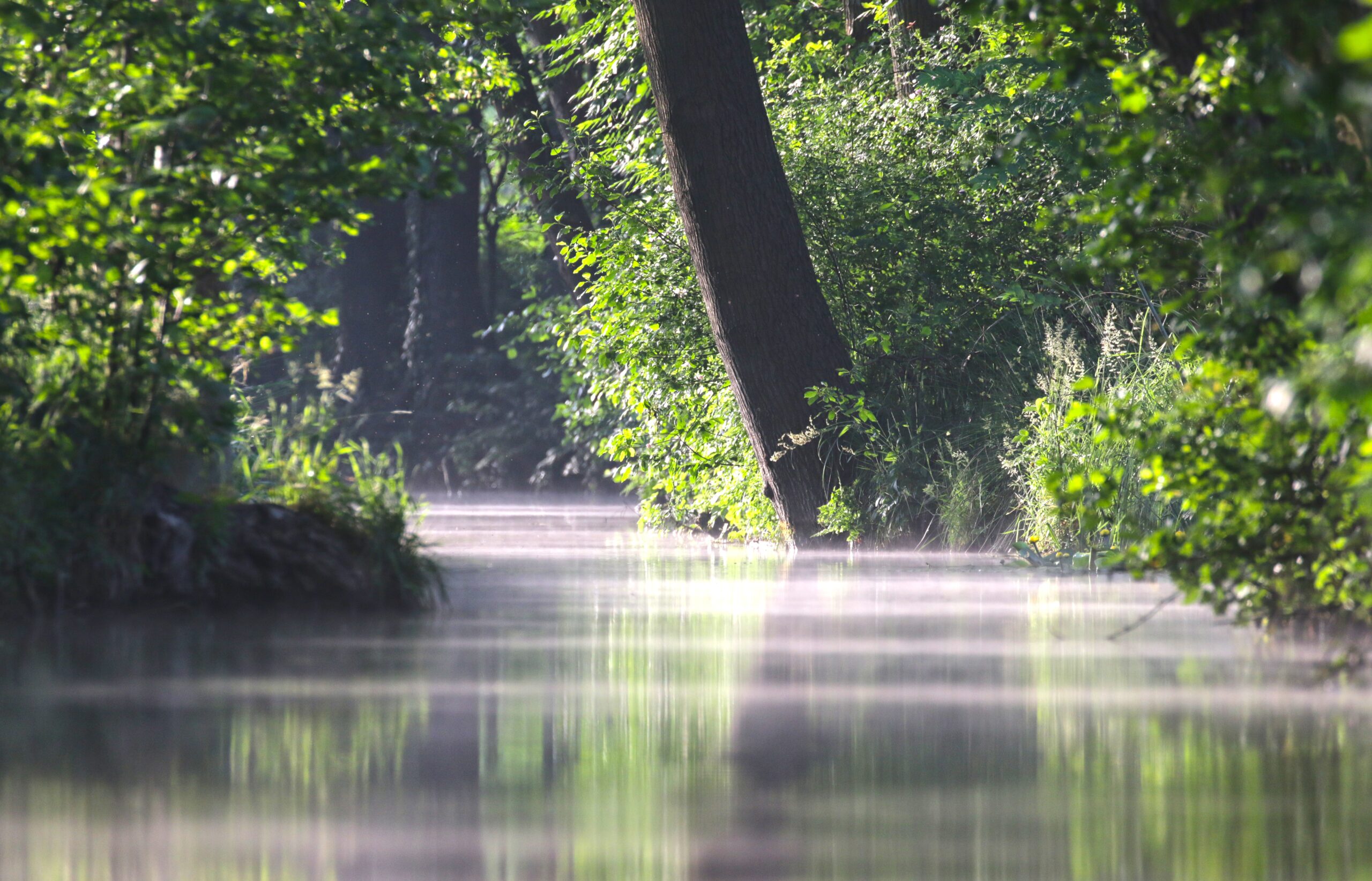
Kasugayama’s forest has been protected for over a thousand years, not as a park, but as a sacred zone.
Human intervention was limited not for ecological reasons alone, but spiritual ones. The forest itself was considered inhabited by unseen forces.
The result is a rare place where nature feels both untouched and deeply intentional.
4. Murō’s Mountain Valley
Spiritual Intimacy Over Monumentality
Hidden deep in the mountains, Murō offers a quieter expression of faith.
Rather than dominating the landscape, its religious sites submit to it. The surrounding forest shapes the experience, encouraging inward reflection rather than outward awe.
This is spirituality without spectacle.
5. Asuka’s Ancient Terrain
Faith Before Form
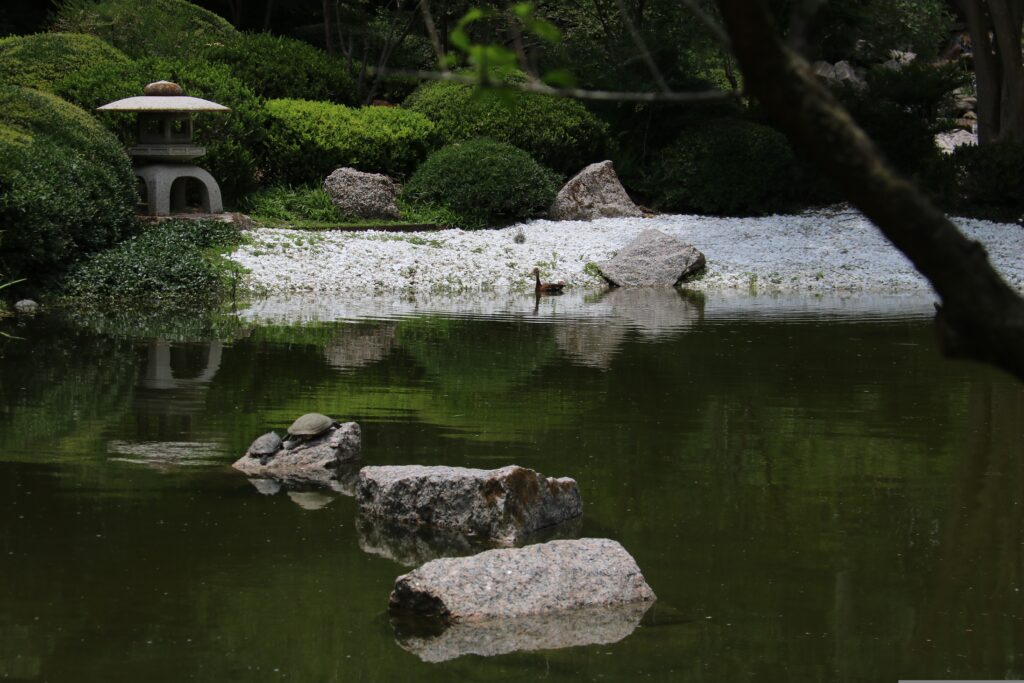
In Asuka, belief existed before formal religious systems.
The land itself—rocks, hills, and water sources—held meaning. Early rituals focused on appeasing and communicating with nature rather than constructing places of worship.
This terrain reveals a version of Japanese belief that was fluid, local, and deeply tied to survival.
6. Old Pilgrimage Trails
Movement as Devotion
Spiritual landscapes are not always fixed points.
Nara’s ancient pilgrimage paths connected mountains, forests, and shrines, turning movement itself into a form of worship. Walking these routes today reveals how belief once unfolded gradually, step by step.
The act of walking becomes the ritual.

If you’d like help planning a smooth and well-organized trip to Japan, our travel consultants are here to assist.
7. Remote Shrine Clearings
Sacred Space Without Architecture
Some of Nara’s most powerful spiritual spaces contain almost nothing.
A clearing. A rope. A tree.
These minimal markers indicate places where the boundary between worlds was believed to be thin. No explanation is offered, and none is required.
8. Rivers and Water Sources
Life, Purification, and Continuity
Water holds spiritual significance across Japan, and in Nara it often marks the beginning of sacred zones.
Streams and springs were places of purification, transition, and renewal. They shaped settlement patterns and ritual behavior long before urban planning existed.
Here, belief flows rather than stands still.
9. Agricultural Landscapes as Sacred Systems
Farming as Spiritual Practice
Rice fields and terraced land are rarely labeled as spiritual, yet they embody some of Japan’s most enduring beliefs.
Seasonality, patience, cooperation, and gratitude—these values were reinforced daily through agricultural life. In Nara’s rural landscapes, this connection remains visible.
Faith was practiced through labor.
10. Silence as Sacred Space
The Absence That Teaches
Perhaps the most overlooked spiritual landscape in Nara is silence itself.
Away from major attractions, the quiet becomes immersive. Without explanation panels or visual cues, visitors are left to observe, wait, and reflect.
This silence is not empty—it is instructive.
Planning a trip to Japan and not sure where to start? We’re happy to help you design a journey that fits your travel style.
Why Nara’s Spiritual Landscapes Matter
These places remind us that Japanese spirituality did not begin with institutions.
It emerged from living within nature—responding to it, fearing it, depending on it, and ultimately respecting it. Nara preserves this worldview not through preservation alone, but through continuity.
For travelers seeking to understand Japan beyond religion as architecture, Nara offers something rare: belief embedded in land.

Create Your Own Travel Booking With Us
We specialize in crafting unforgettable journeys across Japan. Whether you’re a solo traveler, couple, or family, our expert planners, multilingual guides, and customer care team ensure your adventure is seamless and unique — from first click to final destination.
Create your travel booking website with us — and let your story unfold in Japan.