Okayama rarely markets itself as an art destination.
And yet, few regions in Japan present such a coherent dialogue between traditional aesthetics and contemporary expression. Here, gardens refine space, castles define silhouette, merchant houses shape proportion, and nearby islands experiment with radical minimalism.
This ranking explores ten art and architecture experiences that reveal Okayama as a region of subtle but deliberate design.
1. Kōraku-en’s Expansive Composition
Landscape as Living Canvas
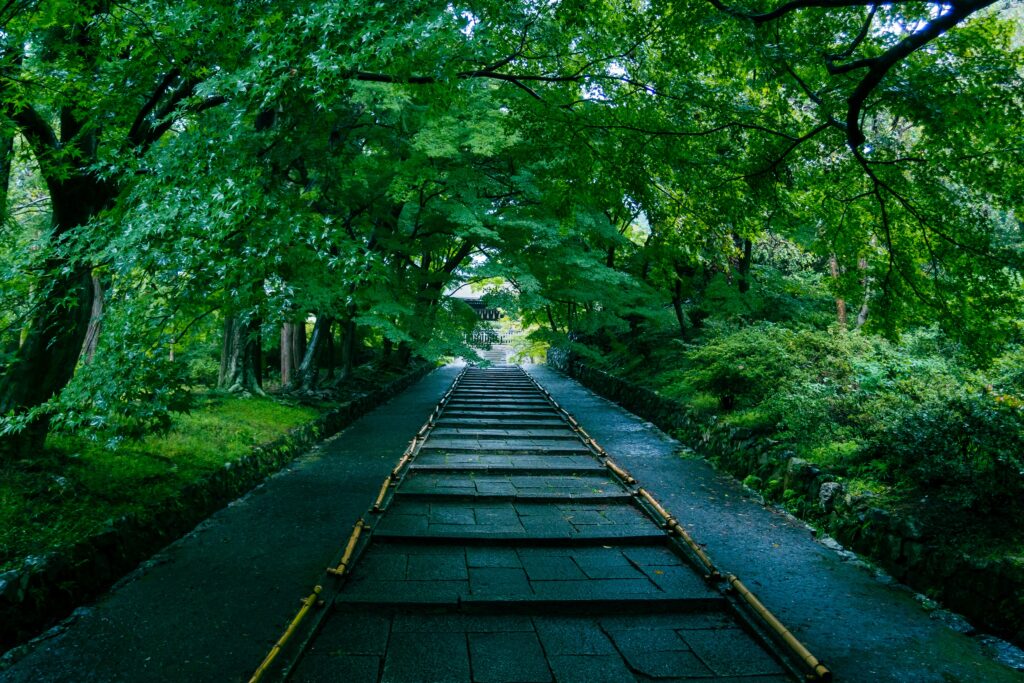
Kōraku-en is often described as one of Japan’s great gardens—but its significance goes beyond reputation.
Unlike densely layered gardens elsewhere, Kōraku-en uses openness. Lawns stretch outward. Water surfaces reflect sky. The borrowed scenery technique incorporates distant elements into the composition.
It is restraint, not ornamentation, that defines its beauty.
2. The Black Silhouette of Okayama Castle
Contrast as Architectural Identity
Okayama Castle stands apart through color alone.
Its dark exterior creates dramatic contrast against sky and river. The castle’s visual impact lies in silhouette and proportion rather than decorative detail.
This emphasis on form over embellishment aligns with broader regional aesthetics—clear, grounded, and balanced.

From itinerary planning to local recommendations, our consultation service helps you travel Japan with ease and confidence.
3. Kurashiki’s Canal District
Merchant Architecture in Harmony
The historic quarter of Kurashiki presents a refined interplay of white plaster walls, dark timber frames, and stone-lined waterways.
Originally warehouses for rice storage, these buildings reflect functional design elevated through proportion and material choice. The repetition of texture and color creates a unified streetscape rarely disrupted by modern intrusion.
Architecture here feels cohesive rather than curated.
4. Ohara Museum of Art
Western Modernism in a Japanese Setting
Located in Kurashiki, Ohara Museum of Art houses Western masterpieces within a building that echoes classical European architecture.
Its presence is striking—not because it dominates, but because it integrates. The museum bridges cultures, placing global art within a local context shaped by merchant patronage.
It demonstrates how Okayama absorbs influence without losing identity.
5. Naoshima’s Minimalist Interventions
Art Embedded in Landscape
Accessible from Okayama’s coastline, Naoshima represents one of Japan’s most ambitious art projects.
Here, architecture dissolves into terrain. Concrete structures sink into hillsides. Museums prioritize light and void over ornamentation.
The dialogue between island fishing culture and avant-garde design creates tension—and balance.
6. Traditional Farmhouses of Rural Okayama
Functional Beauty
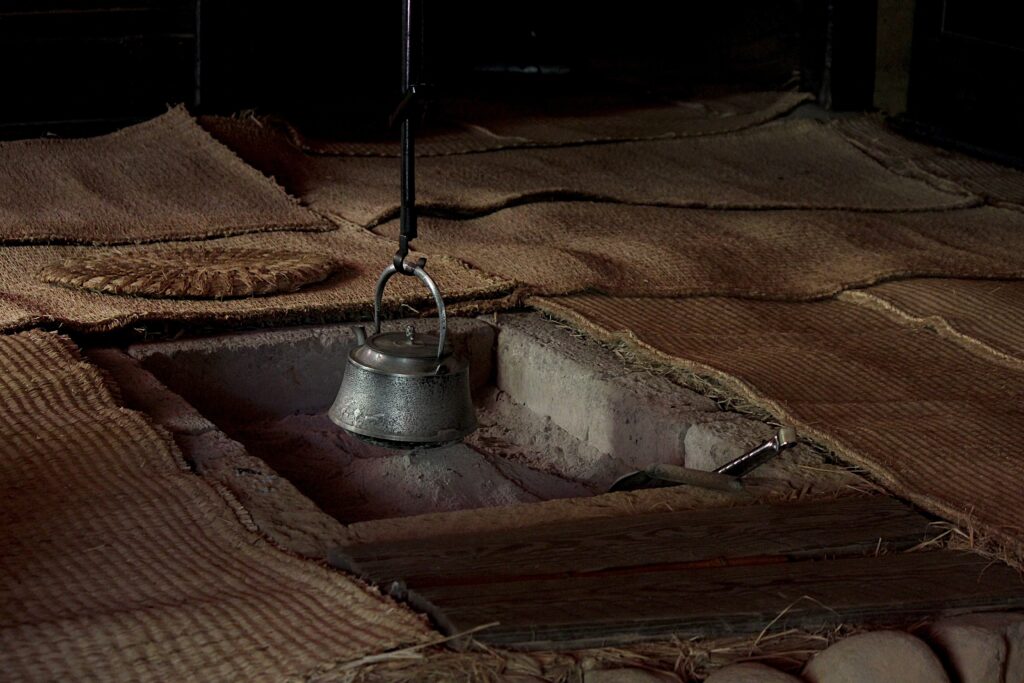
Inland villages reveal minka (traditional farmhouses) constructed for durability and climate adaptation.
Thick beams, sloped roofs, and earthen floors reflect necessity rather than aesthetic intention. Yet over time, this practicality evolved into a visual language of authenticity.
The art lies in utility.
For travelers seeking a personalized and stress-free Japan journey, our consultation service offers expert guidance every step of the way.
7. Stone Walls of Tsuyama Castle Ruins
Engineering as Design
Tsuyama Castle may lack its original structures, but its stone foundations remain powerful.
The precise stacking and angular placement of stones demonstrate technical mastery. These walls were defensive, yet their geometric rhythm creates unintended visual elegance.
Architecture here communicates endurance.
8. Shrine Architecture in Agricultural Landscapes
Sacred Simplicity
Throughout Okayama’s countryside, small shrines appear at the edge of fields or forest clearings.
Their scale is modest. Materials are local. Ornamentation is minimal. Yet their placement—often aligned with natural features—reveals spatial awareness rooted in spiritual practice.
Design serves belief.
9. Seto Inland Sea Horizons
Nature as Architectural Frame
The calm waters of the Seto Inland Sea form natural horizontal lines that shape visual perception.
Islands break the skyline into measured intervals, creating compositions reminiscent of ink paintings. Even without constructed elements, the region’s geography generates aesthetic structure.
Sometimes architecture is unnecessary.
10. The Balance Between Old and New
Continuity Without Conflict
What distinguishes Okayama is not any single building, but the relationship between eras.
Castles do not overshadow gardens. Museums coexist with warehouses. Contemporary art does not erase rural identity.
The region avoids dramatic contrast. Instead, it favors integration—an aesthetic philosophy where addition does not demand replacement.
If you’d like help planning a smooth and well-organized trip to Japan, our travel consultants are here to assist.
Why Okayama’s Aesthetic Matters
In many destinations, art and architecture compete for attention.
In Okayama, they converse quietly. Traditional composition principles echo in modern design. Landscape shapes structure. Structure respects landscape.
For travelers drawn to subtle beauty rather than spectacle, Okayama offers a cohesive visual experience—one that unfolds gradually and rewards attention.

Create Your Own Travel Booking With Us
We specialize in crafting unforgettable journeys across Japan. Whether you’re a solo traveler, couple, or family, our expert planners, multilingual guides, and customer care team ensure your adventure is seamless and unique — from first click to final destination.
Create your travel booking website with us — and let your story unfold in Japan.