Japan offers extremes.
You can experience the density of Tokyo, the refined grandeur of Kyoto, or the dramatic remoteness of northern landscapes. But for travelers seeking equilibrium rather than intensity, one region stands out quietly: Okayama.
Often overlooked in favor of more famous neighbors, Okayama does not overwhelm. It harmonizes. Climate, culture, accessibility, and atmosphere coexist here in rare proportion.
This ranking explores ten reasons why Okayama may be Japan’s most balanced destination.
1. A Climate That Encourages Exploration
The “Land of Sunshine” Advantage
Okayama is often called the “Land of Sunshine” for good reason. With relatively low rainfall compared to many other regions of Japan, outdoor plans are less vulnerable to sudden disruption.
This consistency makes a difference. Gardens can be appreciated without umbrellas. Coastal views are clearer. Walking routes feel inviting rather than weather-dependent.
Balance begins with predictability.
2. Urban Convenience Without Urban Pressure
Okayama City at a Human Scale
Okayama City offers rail connectivity, shopping streets, and dining options—but without the density or pace of larger metropolitan areas.
The city feels navigable. Streets are walkable. Transportation is efficient but rarely overwhelming. Visitors experience urban comfort without the fatigue often associated with larger destinations.
It is a city that supports travel rather than dominates it.

If you’d like help planning a smooth and well-organized trip to Japan, our travel consultants are here to assist.
3. A Castle That Reflects Restraint
Strength Without Ornamentation
At the heart of the prefecture stands Okayama Castle, often referred to as the “Crow Castle” for its dark exterior.
Unlike more ornate castles, its black facade conveys quiet authority. It does not rely on decoration for impact. Instead, it stands as a study in proportion and power.
This aesthetic restraint mirrors the region itself.
4. One of Japan’s Most Refined Gardens
Composure in Landscape Form
Across from the castle lies Kōraku-en, widely considered one of Japan’s finest landscape gardens.
Its design is not dramatic. There are no overwhelming visual statements. Instead, the garden unfolds gradually—open lawns, water features, distant borrowed scenery.
It invites slow appreciation rather than immediate spectacle.
5. Easy Access to Art Islands
Modern Expression Within Traditional Context
Okayama serves as a gateway to the art islands of the Seto Inland Sea.
From here, travelers can reach destinations such as Naoshima with relative ease. Contemporary architecture and installations coexist with fishing villages and coastal landscapes.
The contrast between traditional mainland culture and experimental island art creates a dynamic equilibrium between past and present.
6. Agricultural Richness Without Rural Isolation
Fields Within Reach
Okayama’s fertile plains produce fruit and crops that shape regional identity. Yet rural areas remain accessible, not remote.
Visitors can move from city center to farmland in a short time, experiencing agricultural landscapes without logistical difficulty.
This proximity allows travelers to engage with rural Japan without sacrificing convenience.

Planning a trip to Japan and not sure where to start? We’re happy to help you design a journey that fits your travel style.
7. Historical Townscapes That Feel Inhabited
Kurashiki’s Lived-In Elegance
The canal district of Kurashiki is often photographed for its preserved warehouses and white-walled buildings.
What sets it apart is not preservation alone, but continuity. Shops, residences, and small museums operate within the historic framework, creating a town that feels inhabited rather than staged.
Balance here means history integrated into daily life.
8. Manageable Tourism Density
Presence Without Overcrowding
Okayama attracts visitors, but rarely at overwhelming levels.
Major sites are lively but breathable. Restaurants accommodate without excessive waiting. Streets allow movement without congestion.
For many travelers, this moderate density transforms the experience from stressful to restorative.
9. Inland Sea Calm
Water Without Drama
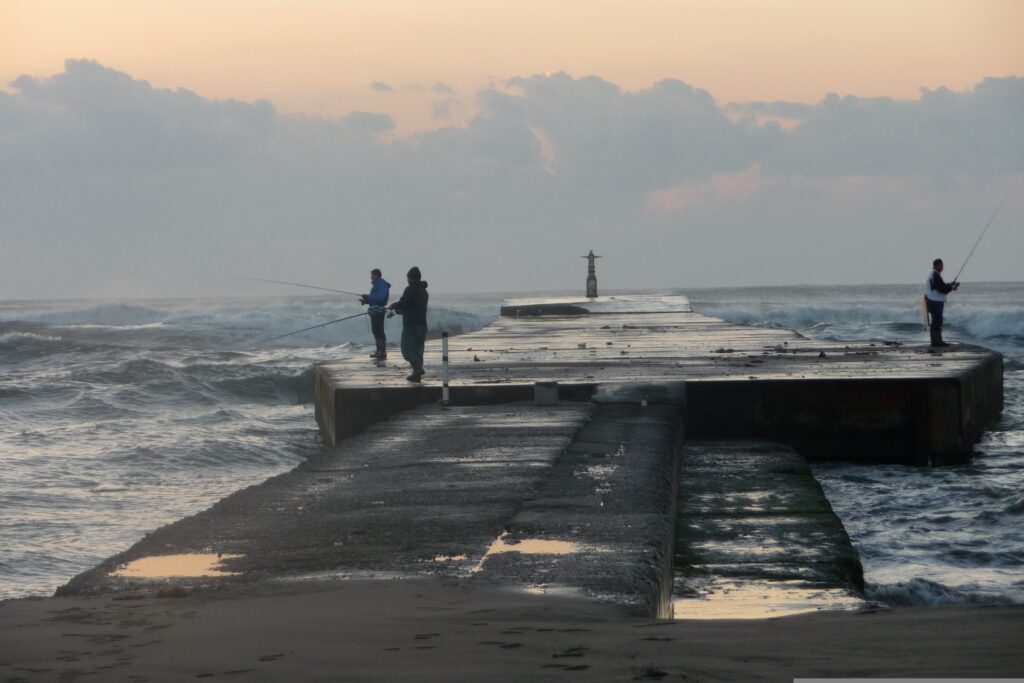
The Seto Inland Sea offers a gentler coastal environment compared to Japan’s open ocean shores.
Its waters are quieter. Islands break the horizon into measured segments. The atmosphere feels contained rather than expansive.
This maritime calm reinforces the prefecture’s balanced character.
10. A Region That Connects Without Competing
Strategic Yet Subtle
Geographically, Okayama sits at a crossroads between Kansai and western Japan. It connects travelers to Hiroshima, Shikoku, and the broader Chūgoku region.
Yet it does not compete aggressively for attention.
Instead of positioning itself as an alternative to somewhere else, Okayama functions as a stable center—both geographically and experientially.
From itinerary planning to local recommendations, our consultation service helps you travel Japan with ease and confidence.
Why Balance Matters in Modern Travel
In an era where destinations often emphasize extremes—most crowded, most remote, most dramatic—balance can feel undervalued.
Okayama demonstrates that travel does not need intensity to be meaningful. It can offer consistency, accessibility, aesthetic refinement, and breathing space in equal measure.
For travelers seeking a destination that neither overwhelms nor underdelivers, Okayama offers something increasingly rare: proportion.

Create Your Own Travel Booking With Us
We specialize in crafting unforgettable journeys across Japan. Whether you’re a solo traveler, couple, or family, our expert planners, multilingual guides, and customer care team ensure your adventure is seamless and unique — from first click to final destination.
Create your travel booking website with us — and let your story unfold in Japan.