Many travelers assume Japan is difficult because of language or culture. In reality, most problems come from planning mistakes rather than Japan itself. Understanding these common Japan travel mistakes can dramatically improve comfort and enjoyment, especially for first-time visitors.
Japan is efficient, safe, and well-organized—but it expects travelers to respect pace, distance, and structure. When those elements are ignored, trips feel tiring even if everything technically “works.”
Mistake 1: Trying to see too many cities
Japan’s transport network makes travel look easy on a map. In practice, each city change involves packing, station navigation, walking, and hotel check-in.
Too many bases in a short time leads to exhaustion. A better approach is fewer cities with deeper exploration.
Mistake 2: Underestimating walking and station size
Major stations like Tokyo, Kyoto, and Osaka are massive. Transfers can involve 10–20 minutes of walking, even without leaving the station.
Planning back-to-back heavy days without recovery time is a common cause of fatigue.
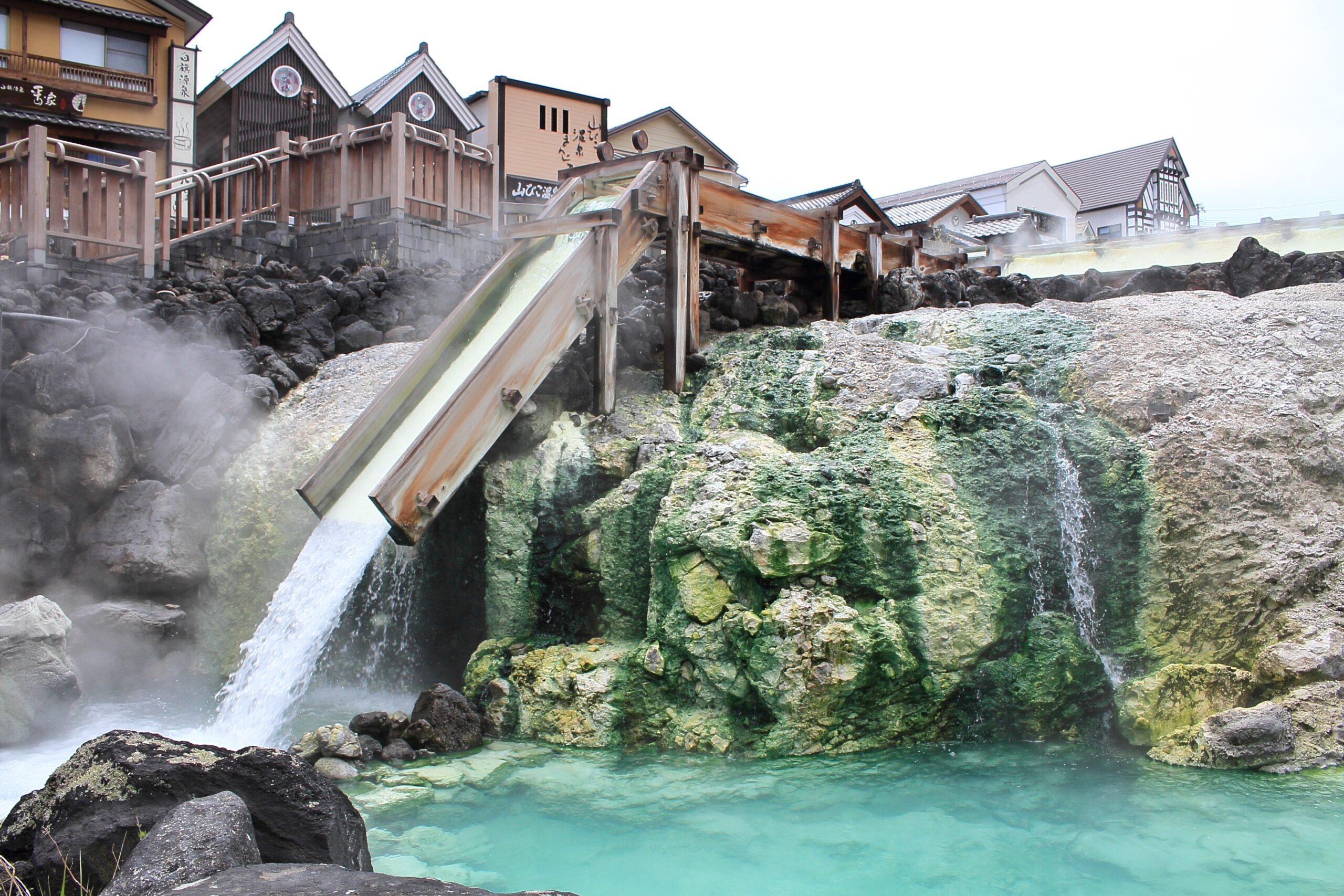
Mistake 3: Treating onsen as an “extra”
Onsen works best as a recovery experience, not something added after a full sightseeing day. Scheduling onsen nights after lighter days improves the experience significantly.
Mistake 4: Packing every day with attractions
One major highlight per day is enough. Additional activities should remain optional. This creates flexibility and reduces stress.
Mistake 5: Choosing hotels based only on price
Hotel location affects comfort more than hotel category. Being close to transport or attractions often matters more than saving a small amount per night.
Mistake 6: Ignoring seasonal differences
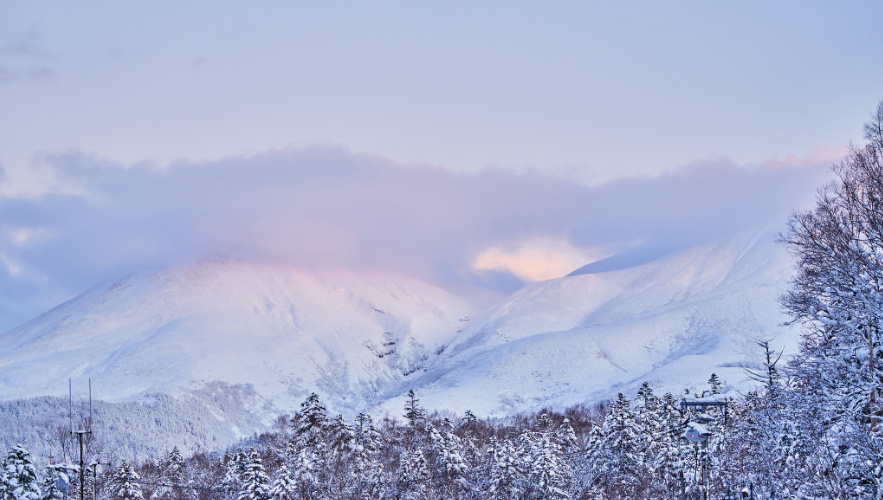
Traveling during peak seasons without adjusting expectations leads to frustration. Shoulder seasons often provide better overall experiences.
Mistake 7: Planning without considering pace
Two travelers can visit the same places and have completely different experiences based on pace. Japan rewards thoughtful pacing.
How to avoid these mistakes
- Limit the number of bases
- Allow recovery time
- Choose hotels strategically
- Plan by rhythm, not checklist
Comfort-focused itinerary examples
FAQ: avoiding travel stress in Japan
Is Japan difficult for first-time travelers?
No. Japan is straightforward when itineraries are realistic.
What is the biggest mistake to avoid?
Trying to do too much in too little time.