Hatsumode is the first visit to a Shinto shrine or Buddhist temple after the New Year begins. People offer thanks, pray for health or good fortune, return old charms and welcome the year with a meaningful ritual.
Visitors are welcome to experience hatsumode. You do not need to be Shinto or Buddhist, but you should treat the visit as an active religious and cultural practice rather than only a photo opportunity.
What Does Hatsumode Mean in Japan?
The word hatsumode combines the idea of “first” with a visit to a shrine or temple. During this first visit of the year, people commonly express gratitude for the previous year and pray for health, safety, success, relationships, study or family wellbeing in the year ahead.
Hatsumode is part of Japan’s wider New Year period, known as oshogatsu. It is not limited to one religion: people may visit a Shinto shrine, a Buddhist temple or both.
When Should You Visit for Hatsumode?
January 1 to January 3 is the busiest and most traditional period. Major shrines and temples can attract very large crowds, lengthy queues and temporary pedestrian controls.
| Time | Atmosphere | Best for | What to expect |
|---|---|---|---|
| Midnight, Dec. 31–Jan. 1 | Celebratory and symbolic | Travelers wanting the year-change experience | Cold weather, late transport considerations and major crowds. |
| January 1 daytime | Very lively | Travelers prioritizing the traditional peak day | The longest queues at famous locations. |
| January 2–3 | Busy but festive | Most visitors | Popular sites remain crowded. |
| January 4 onward | Generally calmer | Families, seniors and crowd-sensitive travelers | Some New Year stalls or special arrangements may be reduced. |
Opening hours and access arrangements change for the New Year period. Check the shrine or temple’s official website shortly before visiting rather than relying on ordinary-season hours.
How to Do Hatsumode: Simple Steps for Visitors
Shrine and Temple Etiquette Is Not Identical
| Shinto shrine | Buddhist temple | |
|---|---|---|
| Common entrance | Torii gate | Temple gate |
| Prayer gesture | Bows and claps are common | Place hands together; do not clap |
| Incense | Not normally central to worship | May be available at some temples |
| Hatsumode | Yes | Yes |
If you are uncertain, watch the posted instructions or simply bow and offer a quiet prayer. Respectful behavior is more important than performing every movement perfectly.
Omikuji, Omamori and Other New Year Customs
Many people return old omamori to an appropriate collection point before receiving a new one. Do not discard shrine or temple items at random on the grounds.
Where to Experience Hatsumode in Tokyo and Kyoto
Meiji Jingu in Tokyo
Meiji Jingu is one of Tokyo’s best-known Shinto shrines and offers a memorable New Year atmosphere. It is also one of the places where visitors should expect substantial crowds and controlled walking routes. Check the official Meiji Jingu website before visiting.
Senso-ji in Asakusa
Senso-ji is a Buddhist temple and an accessible choice for travelers staying around Asakusa or eastern Tokyo. Remember that Buddhist prayer etiquette does not normally include clapping. See the official Senso-ji website.
Fushimi Inari Taisha in Kyoto
Fushimi Inari Taisha offers a distinctive Kyoto setting, but its popularity means that New Year visits can involve crowded approaches and busy transport. Check the official Fushimi Inari Taisha website.
A Neighborhood Shrine or Temple
A small local site can provide a calmer and more community-focused experience. Famous does not automatically mean better, especially for visitors traveling with young children, older relatives or anyone uncomfortable in dense crowds.
How to Avoid the Largest Hatsumode Crowds
- Visit from January 4 onward instead of January 1.
- Choose a respected neighborhood shrine or temple rather than the most famous landmark.
- Avoid arriving immediately around midnight unless that atmosphere is your priority.
- Allow more time than an ordinary shrine visit.
- Do not schedule a fixed reservation immediately afterward.
- Follow temporary one-way walking routes and station controls.
- Keep children close and agree on a meeting point before joining a large crowd.
Crowd conditions vary by location, date and time. A quiet early morning later in the holiday period may be easier than visiting a famous shrine during the January 1 peak.
Practical Hatsumode Tips for International Visitors
- Wear warm layers and comfortable shoes suitable for long outdoor queues.
- Carry some coins for offerings, fortunes or charms.
- Check holiday transport schedules before a late-night visit.
- Ask before photographing prayer areas, ceremonies or staff.
- Avoid eating while standing in the main worship queue.
- Do not expect every restaurant, shop or attraction to follow normal holiday hours.
- Keep the remainder of the day flexible, especially from January 1 to 3.
Plan Hatsumode as Part of a Japan New Year Trip
Hatsumode usually works best as one meaningful part of the day rather than a full-day attraction. It can be combined with a relaxed neighborhood walk, seasonal food or another activity that does not depend on an exact arrival time.
Tell Jatravi your dates, cities, group size and preferred travel style. We can prepare a personalized initial itinerary proposal covering New Year traditions, sightseeing, transport and seasonal opening considerations—with no payment required to submit an inquiry.
Get My Free Japan ItineraryHatsumode Frequently Asked Questions
What is hatsumode in Japan?
Hatsumode is the first visit to a Shinto shrine or Buddhist temple after the New Year begins. People commonly give thanks and pray for health, safety or good fortune.
When does hatsumode take place?
January 1 to January 3 is the main period, but a first shrine or temple visit later in January can still be considered hatsumode.
Can tourists participate in hatsumode?
Yes. International visitors may participate as long as they follow local instructions, respect worshippers and observe photography restrictions.
Can hatsumode be done at a Buddhist temple?
Yes. Hatsumode may take place at either a Shinto shrine or a Buddhist temple. Prayer etiquette differs, and visitors should not clap at a Buddhist temple.
Is hatsumode always crowded?
Famous shrines and temples can be extremely crowded from January 1 to 3. Visiting later or choosing a neighborhood site usually provides a calmer experience.
What is the difference between hatsumode and hatsumoude?
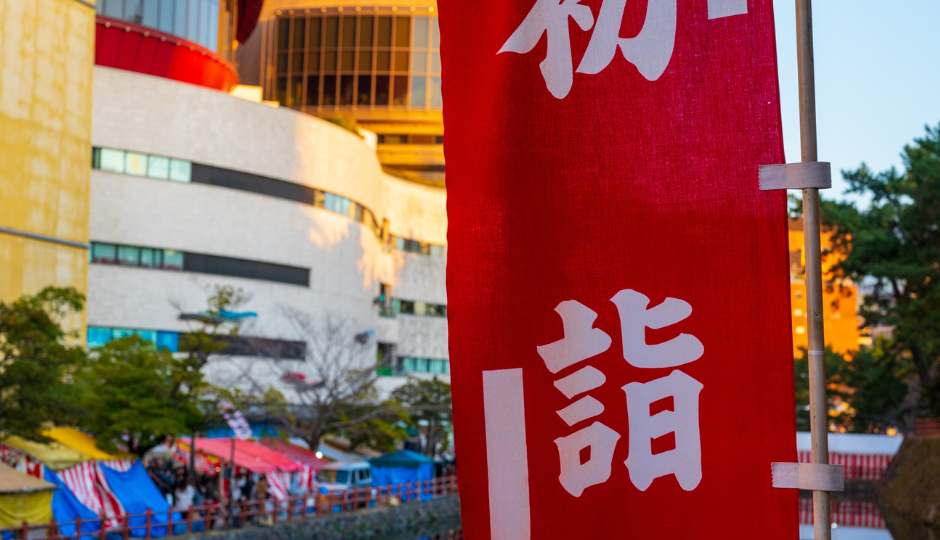
They refer to the same Japanese word, 初詣. Hatsumode or hatsumōde is the more common English spelling, while hatsumoude reflects the extended vowel.
New Year opening hours, worship routes, ceremonies, transport and photography restrictions vary by location and year. Check official information shortly before visiting.