In Aomori Prefecture, hot springs are not simply a leisure activity—they are a way of life shaped by nature, climate, and tradition. Surrounded by mountains, forests, and heavy winter snowfall, Aomori’s onsen culture feels deeply rooted in the land. Rather than grand resort complexes, many of the region’s hot springs offer something quieter and more authentic: rustic baths, mineral-rich waters, and a sense of calm that comes from true isolation.
For travelers seeking relaxation without crowds, Aomori provides some of northern Japan’s most atmospheric hot spring experiences.
A Land Naturally Rich in Hot Springs
Aomori’s volcanic activity and mountainous terrain have created an abundance of natural hot springs throughout the prefecture. Many onsen are located deep in forested valleys or along scenic coastlines, far from urban centers.
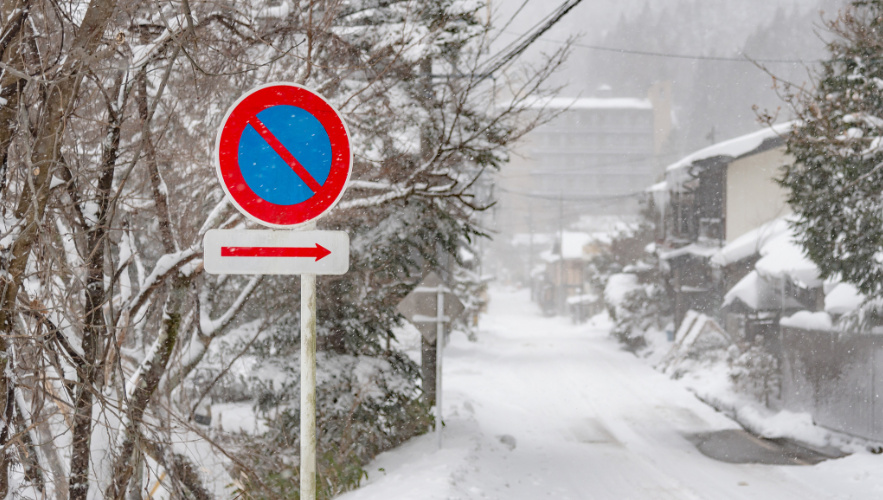
These locations make visiting an onsen in Aomori feel like a retreat rather than a planned attraction. The journey itself—passing snow-covered roads, quiet villages, and remote landscapes—becomes part of the experience.
Nyuto-Style Seclusion and Northern Atmosphere
Although Aomori is not as widely known as some of Japan’s major onsen regions, its hot springs share qualities often associated with famous “hidden onsen” areas. Wooden bathhouses, simple interiors, and outdoor baths surrounded by nature define much of the experience.
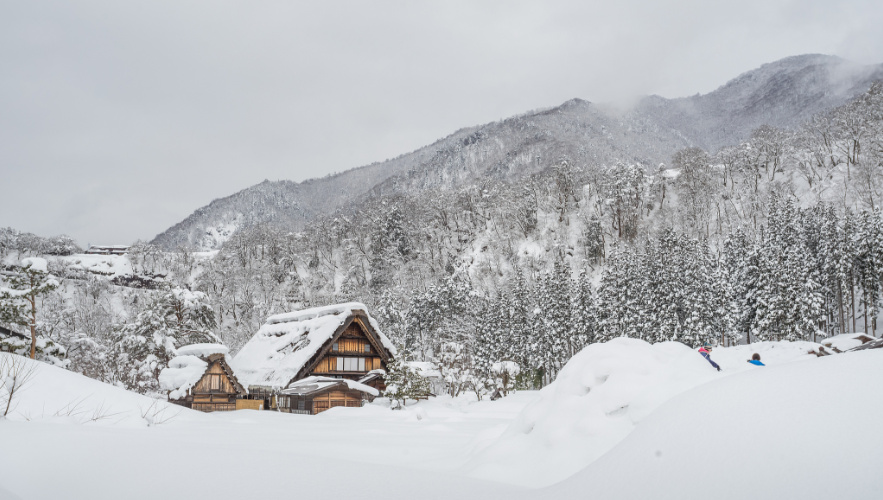
In winter, soaking in steaming water while snow falls silently around you creates a powerful contrast that many visitors remember long after their trip. In warmer months, the same baths offer views of fresh greenery and mountain air, making them equally appealing year-round.
From itinerary planning to local recommendations, our consultation service helps you travel Japan with ease and confidence.
Famous Onsen Areas in Aomori
Several hot spring areas stand out for their character and history:
- Sukayu Onsen
Known for its large communal bath and long history, Sukayu has been a healing destination for centuries. Its high-acidity waters are believed to help with fatigue and joint discomfort. - Furofushi Onsen
Located along the coast of the Sea of Japan, this onsen offers open-air baths where waves crash just meters away, blending hot springs with dramatic ocean views. - Yachi Onsen
One of Aomori’s oldest hot springs, Yachi Onsen is nestled in the mountains and surrounded by deep forest, offering a quiet and traditional atmosphere.
Each of these locations reflects a different side of Aomori’s relationship with nature.
Onsen and the Rhythm of Slow Travel
What makes Aomori’s hot springs especially appealing is the pace at which they are enjoyed. Unlike day-trip onsen near major cities, many of Aomori’s baths encourage overnight stays at traditional inns.
Guests often structure their day around simple pleasures:
- Soaking in the morning mist
- Enjoying seasonal meals
- Taking short nature walks
- Resting without fixed schedules
This slower rhythm aligns naturally with the surrounding environment.
Seasonal Beauty Around the Baths
Aomori’s onsen experiences change dramatically with the seasons. Winter brings snow-covered landscapes and a deep sense of stillness. Spring introduces flowing streams and fresh greenery. Autumn surrounds outdoor baths with colorful foliage, while summer offers cool mountain air.
Because of this seasonal variation, returning to the same onsen at different times of year can feel like visiting an entirely new place.
Looking for a tailor-made Japan travel experience?
Cultural Etiquette and Local Traditions
Visiting an onsen in Aomori also offers insight into local customs. Bathing etiquette is taken seriously, and guests are expected to respect shared spaces. For travelers unfamiliar with Japanese hot springs, this structured approach creates a calm and respectful atmosphere.
In rural areas, onsen often serve as community spaces where locals gather, reinforcing the sense that these baths are part of daily life rather than tourist attractions.
Planning an Onsen-Focused Journey in Aomori
Because many of Aomori’s hot springs are located in remote areas, access can be limited by public transportation, especially in winter. Thoughtful planning helps ensure a smooth and comfortable experience, particularly when combining multiple onsen with sightseeing.
For travelers interested in an onsen-focused itinerary, combining hot springs with nearby nature sites or seasonal highlights allows for a balanced and restorative journey through northern Japan.
Conclusion: Healing Waters of the North
Aomori’s onsen offer something increasingly rare: quiet, simplicity, and a deep connection to nature. Far from the bright lights of resort towns, these hot springs invite travelers to slow down, reflect, and experience Japan at its most tranquil.
For those drawn to rustic charm and remote landscapes, soaking in Aomori’s hot springs becomes more than relaxation—it becomes a meaningful part of the journey itself.

Create Your Own Travel Booking With Us
We specialize in crafting unforgettable journeys across Japan. Whether you’re a solo traveler, couple, or family, our expert planners, multilingual guides, and customer care team ensure your adventure is seamless and unique — from first click to final destination.
Create your travel booking website with us — and let your story unfold in Japan.