Slow travel does not work equally well in every country. In Japan, however, it feels almost natural. The country’s design, culture, and rhythm strongly reward travelers who choose depth over speed.
Why slow travel often fails elsewhere
In many destinations, slower travel means limited transport, unclear schedules, or reduced access. This can create frustration rather than relaxation.
Why Japan rewards slower pacing
Japan’s transport reliability allows travelers to move efficiently without rushing. Attractions are dense, meals are structured, and even everyday activities are treated with care.
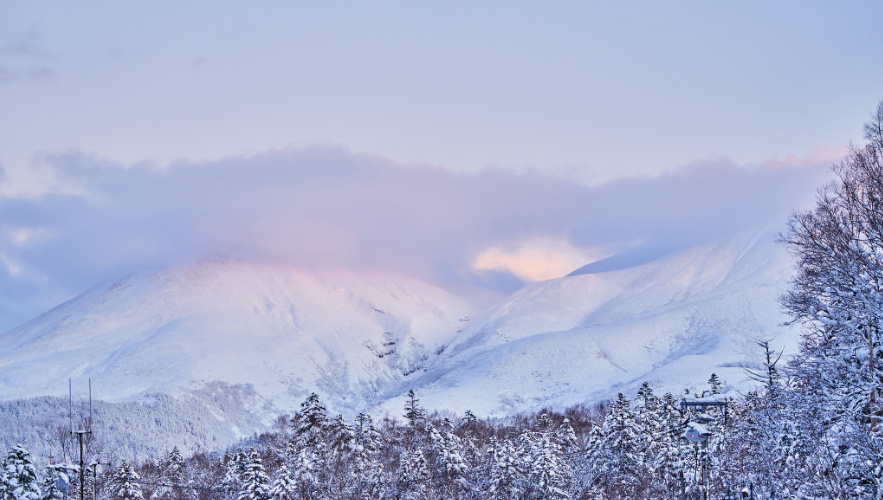
When travelers slow down, they notice details that are easy to miss on fast itineraries: seasonal scenery, neighborhood atmosphere, and quiet daily rituals.
The psychological effect of fewer decisions
Slow travel reduces decision fatigue. Fewer hotel changes, fewer transfers, and predictable routines create mental space.
Who benefits most from slow travel in Japan
- First-time visitors
- Senior travelers
- Couples seeking relaxed experiences
Examples of itineraries designed around slow travel:
When slow travel may not be ideal
If you enjoy high-energy sightseeing and constant activity, a slower pace may feel limiting.
FAQ
Does slow travel mean seeing less?
No. It usually means experiencing places more fully.