Food in Yamagata is not driven by trend or presentation. It is shaped by necessity—by long winters, heavy snow, and a lifestyle that historically required people to plan months ahead. The result is a cuisine rooted in preservation, seasonality, and a deep respect for ingredients.
To understand Yamagata through food is to understand how people live with nature rather than against it.
A Land That Teaches You to Prepare
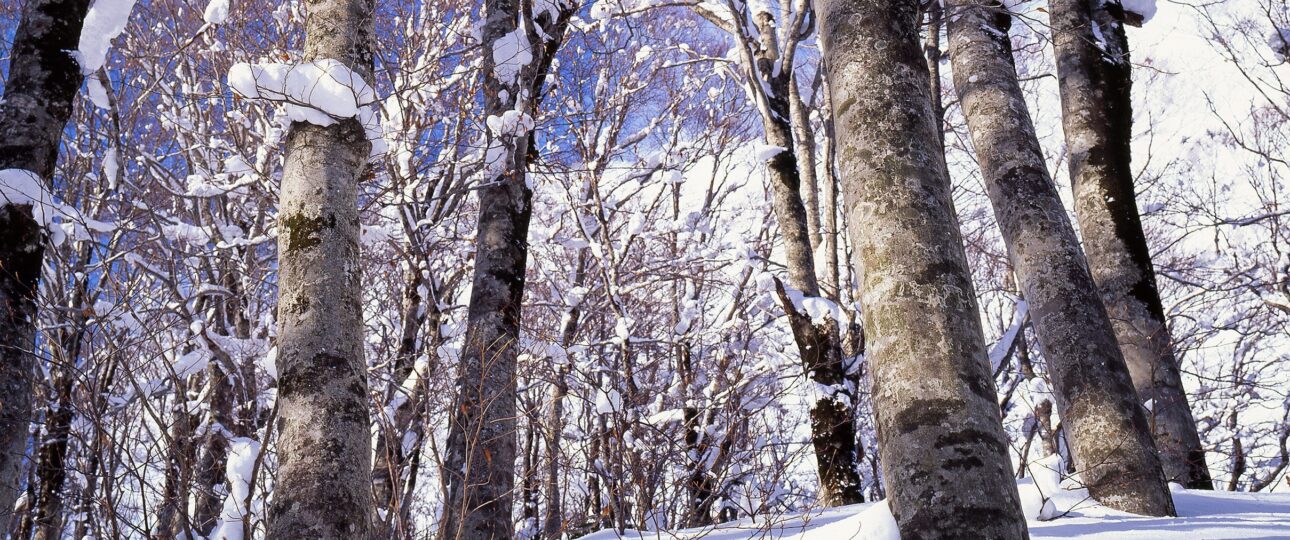
Yamagata’s geography and climate leave a clear mark on its cuisine. Snowfall isolates communities for extended periods, and mountainous terrain limits year-round access to fresh ingredients.
This reality gave rise to:
- Fermentation
- Drying and salting
- Pickling and aging
Rather than being seen as secondary methods, these techniques are central to daily meals. Even today, many households continue to prepare preserved foods not as specialty items, but as essentials.
The Philosophy of “Eating the Season”
Seasonality in Yamagata is not symbolic—it is practical.
Spring brings mountain vegetables (sansai) gathered from hillsides and forests. These wild greens carry bitterness and depth, reflecting the land’s slow awakening after winter.
Summer offers brief abundance:
- Fresh vegetables from inland basins
- River fish and clear-water produce
- Light dishes that match the cooler mountain air
Autumn is the most intense season for food, when ingredients are harvested and preserved in preparation for winter.
Winter meals rely heavily on what has been saved, creating flavors that feel dense, warming, and deeply satisfying.
From itinerary planning to local recommendations, our consultation service helps you travel Japan with ease and confidence.
Imoni: A Dish That Represents Community
No discussion of Yamagata food is complete without imoni, a taro-based stew traditionally cooked outdoors along rivers.
Imoni is not just a recipe—it is an event. Families, friends, and colleagues gather to cook and eat together, often using large pots over open fires.
While variations differ by region, imoni reflects:
- Shared labor
- Seasonal celebration
- The importance of eating together
Its value lies as much in the gathering as in the flavor.
Preserved Foods as Everyday Staples
Yamagata’s preserved foods are not museum pieces—they are eaten daily.
Examples include:
- Pickled vegetables prepared at home
- Fermented soybean products
- Salted and dried ingredients stored for winter
These foods provide depth and umami, forming the backbone of many meals rather than acting as side notes.
For travelers, tasting these items offers insight into everyday life rather than restaurant trends.

Looking for a tailor-made Japan travel experience?
Rice and Water: Quiet Foundations
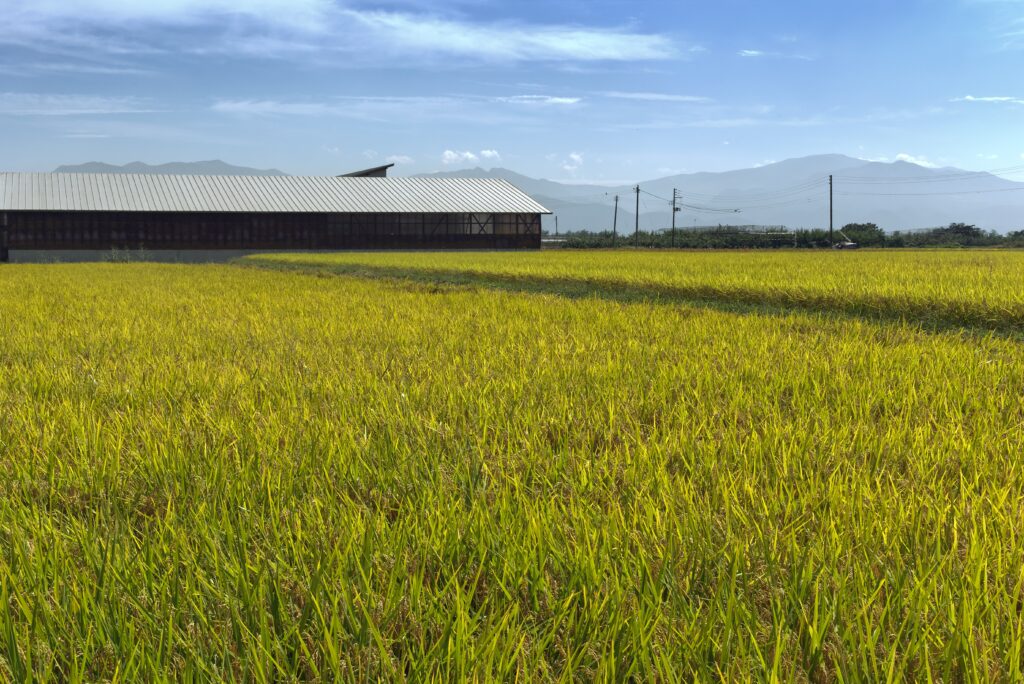
Yamagata is one of Japan’s major rice-producing regions, benefiting from:
- Clean mountain water
- Large temperature differences between day and night
- Fertile basins surrounded by mountains
Rice here is not treated as an afterthought—it is central to the meal, often enjoyed plain to highlight its quality.
Local sake production also reflects this relationship between rice, water, and climate, producing styles that are often clean, structured, and quietly expressive.
Home Cooking Over Restaurant Culture
Unlike major urban food destinations, Yamagata’s culinary identity leans heavily toward home cooking.
Many traditional dishes:
- Are rarely found in restaurants
- Vary by household
- Are passed down through generations
This makes Yamagata cuisine harder to “consume” quickly—but more meaningful to experience slowly, often through local encounters.
For travelers seeking a personalized and stress-free Japan journey, our consultation service offers expert guidance every step of the way.
Why Yamagata Food Feels Different
Yamagata cuisine is not designed to impress. It is designed to sustain.
This gives it a distinct character:
- Subtle rather than bold
- Layered rather than flashy
- Deeply connected to daily life
For travelers accustomed to highlight-driven food tourism, Yamagata offers a more grounded and intimate experience.
Food as a Gateway to Understanding Yamagata
Eating in Yamagata reveals the values of the region:
- Preparation over convenience
- Community over individualism
- Respect for season and environment
These values mirror the prefecture’s broader lifestyle and make food an essential lens through which to understand the region.
Looking Ahead
With this exploration of Yamagata’s food culture, the picture of the prefecture becomes more complete.
In the next articles, we will turn our attention to:
- Onsen culture and mountain retreats
- Festivals, spirituality, and rural traditions
Each layer adds depth to Yamagata’s story as a destination shaped by land, climate, and time.

Create Your Own Travel Booking With Us
We specialize in crafting unforgettable journeys across Japan. Whether you’re a solo traveler, couple, or family, our expert planners, multilingual guides, and customer care team ensure your adventure is seamless and unique — from first click to final destination.
Create your travel booking website with us — and let your story unfold in Japan.