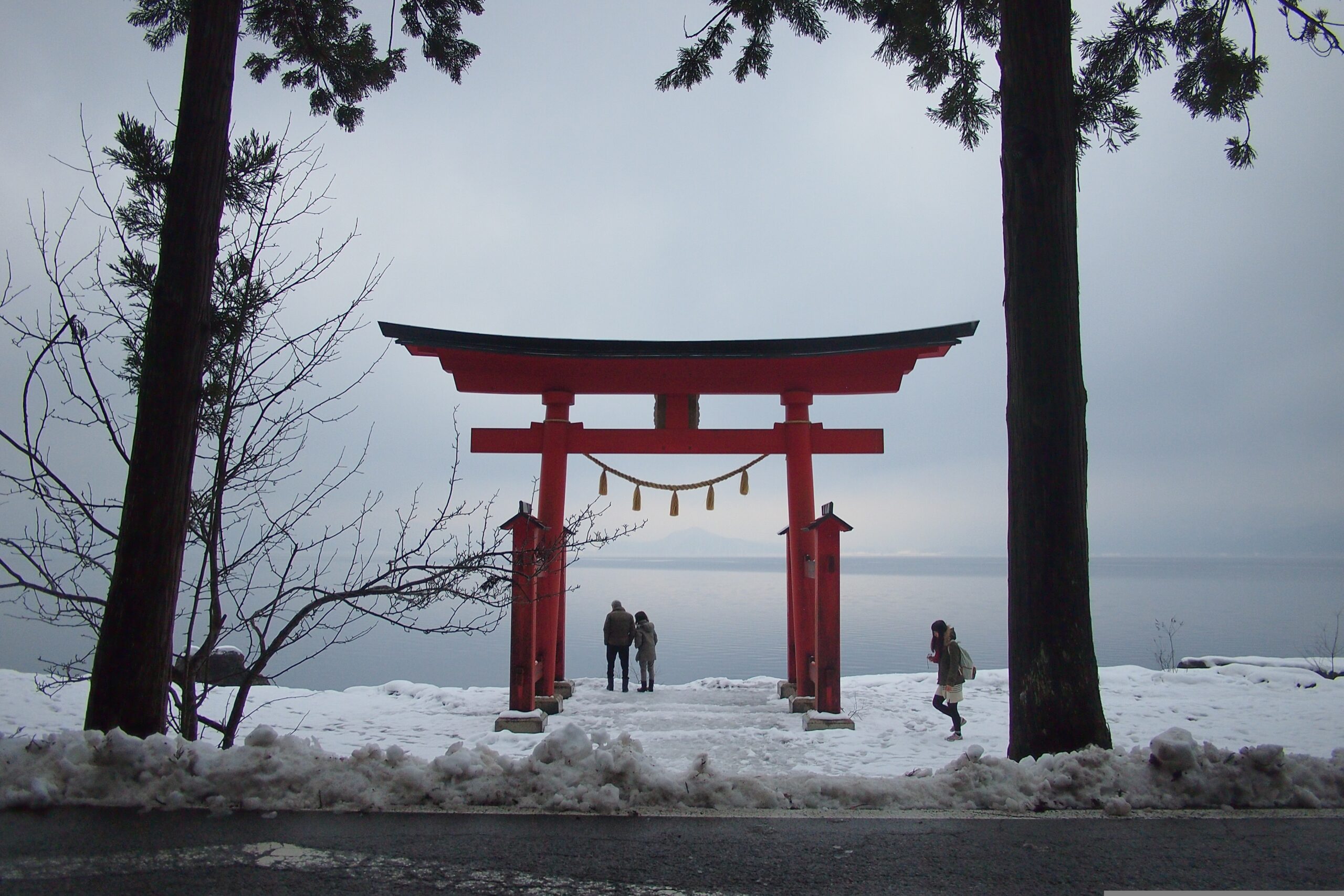
Fukushima’s cultural identity is deeply connected to its past. Among its regions, Aizu stands out as a place where history is not confined to museums but woven into daily life, architecture, and local values.
To understand Fukushima, one must first understand Aizu.
Aizu: A Region Shaped by Loyalty and Loss
Aizu’s history is defined by the final years of Japan’s samurai era. During the Boshin War in the late 19th century, Aizu stood firmly by the Tokugawa shogunate, even as the political tide turned against it.
The region’s defeat brought hardship, but also left behind a powerful legacy:
- Loyalty over convenience
- Honor over survival
- Responsibility over retreat
These values continue to influence local identity today.
Tsuruga Castle: More Than a Landmark
Tsuruga Castle (Aizu-Wakamatsu Castle) is the symbolic heart of the region. While visually striking, its importance lies in what it represents.
Once a strategic stronghold, the castle witnessed intense conflict and resilience. Today, it serves as:
- A historical archive
- A cultural gathering space
- A reminder of Aizu’s unyielding spirit
Visitors often find that understanding the castle deepens their appreciation for the region’s mindset.
For travelers seeking a personalized and stress-free Japan journey, our consultation service offers expert guidance every step of the way.
The Byakkotai: Youth and Tragedy in History
One of Aizu’s most poignant stories is that of the Byakkotai, a group of young samurai warriors.
Their story is taught not as glorified heroism, but as a reflection of devotion, misjudgment, and the cost of loyalty. The site where their memory is preserved remains quiet, inviting contemplation rather than spectacle.
This approach to remembrance reveals how Fukushima handles difficult history—with honesty and respect.
Samurai Ethics in Modern Life
While the samurai era has passed, its influence persists. In Aizu, concepts such as duty, modesty, and perseverance shape work ethic and community behavior.
These values are visible in:
- Craftsmanship and attention to detail
- Reserved but sincere hospitality
- A strong sense of responsibility toward others
Culture here is expressed through conduct rather than display.
Aizu Lacquerware and Traditional Crafts
Aizu is known for its lacquerware, valued for durability and understated beauty. Unlike ornamental crafts, these pieces are designed for daily use.
The philosophy behind Aizu crafts emphasizes:
- Function over decoration
- Longevity over trends
- Quiet elegance over excess
This aesthetic aligns closely with the region’s historical character.
If you’d like help planning a smooth and well-organized trip to Japan, our travel consultants are here to assist.
Architecture That Reflects Memory
From preserved samurai residences to temple complexes, Aizu’s architecture favors simplicity and balance.
These spaces offer:
- A sense of continuity with the past
- Human-scale environments
- Designs shaped by climate and function
Walking through these neighborhoods feels like stepping into a living narrative rather than a reconstructed exhibit.
Local Festivals Rooted in History
Festivals in Fukushima often draw from historical themes, but they are community-driven rather than performative.
Seasonal events reflect:
- Agricultural cycles
- Historical milestones
- Collective remembrance
Participation matters more than presentation, reinforcing social bonds.
Cultural Identity Beyond Aizu
While Aizu forms the cultural core, other areas of Fukushima contribute their own traditions, from coastal rituals to rural customs.
Together, they create:
- A layered cultural identity
- Regional diversity within a shared narrative
- A culture that values endurance and humility
Planning a trip to Japan and not sure where to start? We’re happy to help you design a journey that fits your travel style.
Why Fukushima’s Culture Feels Different
Fukushima does not romanticize its past. Instead, it carries history forward, allowing lessons to inform the present without overshadowing it.
This balance creates a culture that feels:
- Honest
- Grounded
- Quietly resilient
Culture as a Living Presence
In Fukushima, culture is not an attraction—it is a presence. It exists in how people speak, work, and remember.
For travelers seeking depth rather than spectacle, Fukushima offers stories that remain long after the journey ends.

Create Your Own Travel Booking With Us
We specialize in crafting unforgettable journeys across Japan. Whether you’re a solo traveler, couple, or family, our expert planners, multilingual guides, and customer care team ensure your adventure is seamless and unique — from first click to final destination.
Create your travel booking website with us — and let your story unfold in Japan.