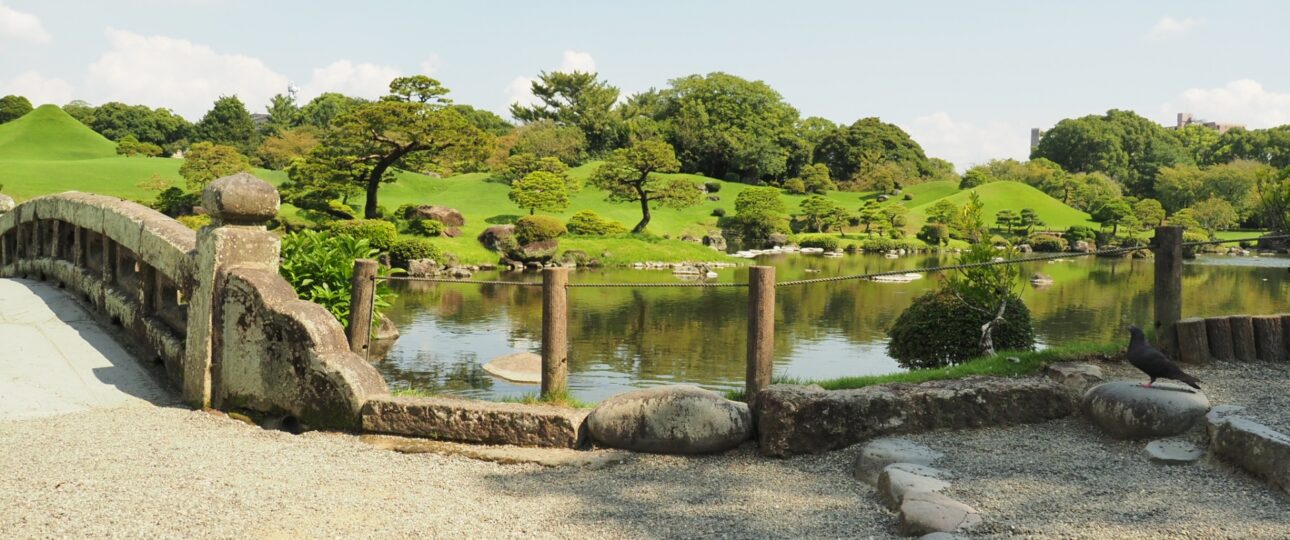
When travelers think of Kumamoto, one landmark often comes to mind first: the impressive castle that stands proudly at the center of the city. While this historic fortress is certainly one of Kyushu’s most iconic sights, Kumamoto Prefecture offers far more than a single destination. Stretching from powerful volcanic landscapes to quiet coastal islands, the region is one of the most diverse and fascinating places to explore in southern Japan.
Known as the “Land of Fire,” Kumamoto is shaped by volcanic activity, fertile plains, and dramatic coastlines. These natural forces have created a landscape where towering mountains, expansive grasslands, hot springs, and scenic islands exist within a relatively compact area.
For travelers seeking both adventure and cultural depth, Kumamoto offers a journey through some of Japan’s most striking natural environments.
The Powerful Landscape of Mount Aso
At the heart of Kumamoto’s natural beauty lies one of Japan’s most extraordinary geological features: Mount Aso. This massive volcanic complex is home to one of the largest calderas in the world, stretching nearly 25 kilometers across.
Within this vast crater landscape, several volcanic peaks rise dramatically from the surrounding plains. The most active of these is the Nakadake crater, where visitors can sometimes witness plumes of volcanic gas rising from the earth’s surface.
Despite its powerful volcanic activity, the area around Mount Aso is also known for its peaceful natural scenery. Rolling grasslands spread across the caldera floor, where horses and cattle graze freely against a backdrop of distant mountains.
In spring and summer, the fields glow bright green, while autumn transforms the landscape into warm golden tones. These seasonal changes make Mount Aso one of the most visually dramatic regions in Kyushu.
Vast Grasslands and Scenic Drives
Unlike the dense forests found in many parts of Japan, the highlands around Mount Aso feature open grasslands that stretch across the horizon. These wide landscapes create an atmosphere that feels surprisingly expansive.
One of the best ways to explore this area is by driving along scenic mountain roads that wind through the volcanic terrain. Along the way, travelers encounter breathtaking viewpoints where the entire caldera can be seen spreading across the valley below.
Short hiking trails also lead visitors through fields of tall grass and volcanic rock formations. These trails provide a chance to experience the unique environment shaped by centuries of eruptions and natural renewal.
Because of the open terrain and fresh mountain air, the Aso region is especially popular with travelers seeking outdoor adventure and dramatic landscapes.
For travelers seeking a personalized and stress-free Japan journey, our consultation service offers expert guidance every step of the way.
Healing Waters of Kumamoto’s Hot Springs
Volcanic activity has not only shaped the land but also created one of Kumamoto’s most beloved traditions: hot springs. Throughout the prefecture, geothermal energy feeds natural onsen towns where visitors can relax in mineral-rich waters surrounded by nature.
Among the most famous is Kurokawa Onsen, a charming mountain village known for its rustic atmosphere and beautifully designed outdoor baths. Wooden ryokan inns line a small river that runs through the town, creating a peaceful setting that feels far removed from modern city life.
Visitors often spend the day strolling through the village while enjoying the town’s popular “onsen hopping” experience, which allows guests to try different hot spring baths across multiple inns.
The combination of traditional architecture, forest scenery, and steaming baths makes Kurokawa Onsen one of Japan’s most memorable hot spring destinations.
The Coastal Beauty of Amakusa
While Kumamoto is often associated with mountains and volcanoes, the prefecture also stretches toward the sea. To the west lies the beautiful island region of Amakusa Islands, a collection of islands connected by scenic bridges.
These islands offer a completely different landscape from the volcanic interior. Calm blue waters surround quiet fishing villages, while rocky coastlines create dramatic ocean views.
Amakusa is also known for its historical significance. During the 17th century, the islands were connected to one of Japan’s most important Christian communities. Today, several historic churches remain, reflecting the region’s unique cultural heritage.
Beyond history, Amakusa is also famous for its wildlife. Dolphin watching tours are especially popular, allowing visitors to see pods of wild dolphins swimming freely in the surrounding waters.
The Resilience of Kumamoto Castle
No exploration of the region would be complete without visiting its most iconic landmark: Kumamoto Castle. Originally built in the early 17th century, the castle is considered one of the most impressive fortresses in Japan.
Its massive stone walls, complex defensive structures, and elegant black exterior earned it a reputation as one of the country’s most formidable castles.
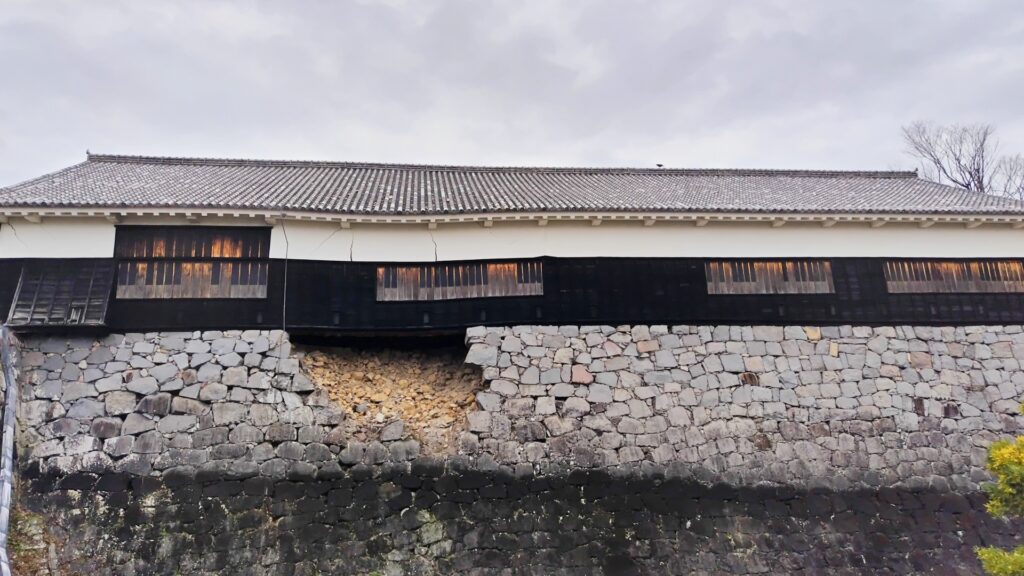
In 2016, the region experienced powerful earthquakes that caused significant damage to the castle and surrounding structures. However, restoration efforts have been steadily bringing the site back to life.
Today, visitors can once again walk through parts of the castle grounds and witness both the historical architecture and the ongoing reconstruction efforts. The castle stands not only as a symbol of Kumamoto’s samurai heritage but also as a reminder of the resilience of the local community.
A Region Shaped by Nature and History
What makes Kumamoto so compelling is the way its landscapes and culture are deeply interconnected. Volcanic activity created fertile land, which supported agriculture and settlement. Coastal waters encouraged trade and fishing communities. Mountain regions provided spiritual retreats and hot spring resorts.
As a result, the prefecture offers an incredible variety of experiences within a single journey. Travelers can hike across volcanic plains in the morning, relax in a traditional hot spring by afternoon, and explore historic streets by evening.
This diversity is one of Kumamoto’s greatest strengths as a travel destination.
If you’d like help planning a smooth and well-organized trip to Japan, our travel consultants are here to assist.
Discovering a Different Side of Kyushu
Kyushu is often celebrated for its natural beauty, and Kumamoto sits at the heart of that reputation. Yet despite its remarkable landscapes and rich history, the region still feels refreshingly less crowded than many of Japan’s most famous tourist destinations.
For visitors willing to explore beyond the usual routes, Kumamoto offers unforgettable scenery, welcoming communities, and a powerful connection to the natural forces that shaped the island.
From volcanic peaks to quiet coastal islands, Kumamoto invites travelers to discover a side of Japan that feels both wild and deeply rooted in tradition.

Create Your Own Travel Booking With Us
We specialize in crafting unforgettable journeys across Japan. Whether you’re a solo traveler, couple, or family, our expert planners, multilingual guides, and customer care team ensure your adventure is seamless and unique — from first click to final destination.
Create your travel booking website with us — and let your story unfold in Japan.