Fukushima Prefecture is often described in fragments, but rarely as a whole. Stretching from the Pacific coast to deep inland mountains, it is one of Japan’s most geographically diverse regions. To understand Fukushima, it is essential to see it not as a single narrative, but as a place of layered landscapes, resilient communities, and ongoing rediscovery.
This is a prefecture that rewards travelers who move beyond headlines and take the time to explore.
Three Regions, One Prefecture
Fukushima is traditionally divided into three distinct areas, each with its own character:
- Hamadori (the coastal region along the Pacific Ocean)
- Nakadori (the central basin and urban heart)
- Aizu (the mountainous western region)
Rather than feeling fragmented, these regions together create a sense of balance—sea, plain, and mountain shaping daily life and cultural expression.
A Landscape Defined by Scale and Space
Unlike more compact prefectures, Fukushima feels expansive. Roads stretch long between towns, fields open wide, and mountains dominate the horizon.
This sense of space influences:
- A slower pace of travel
- Deeper connection to nature
- Strong regional identities within the prefecture
For visitors, Fukushima offers room to breathe—both physically and mentally.
If you’d like help planning a smooth and well-organized trip to Japan, our travel consultants are here to assist.
Hamadori: Life Along the Pacific Coast
The eastern coastline faces the Pacific Ocean, where fishing towns and port cities developed alongside the sea. Here, daily life has long been shaped by tides, weather, and maritime traditions.
Today, Hamadori represents:
- Recovery and reconstruction
- Coastal culture and seafood traditions
- A future-oriented mindset rooted in experience
The sea remains central to both livelihood and identity.
Nakadori: The Everyday Heart of Fukushima
Running north to south through the prefecture, Nakadori is home to major cities such as Fukushima City and Koriyama. This region connects Fukushima internally and externally, serving as a transportation and commercial hub.
Nakadori reflects:
- Modern daily life
- Urban convenience balanced with rural surroundings
- A lifestyle shaped by accessibility rather than isolation
For many travelers, this region offers the most approachable introduction to Fukushima.
Aizu: Mountains, History, and Endurance
In western Fukushima, Aizu is surrounded by mountains that historically limited access. This isolation helped preserve strong traditions, architectural styles, and a deep sense of historical identity.
Aizu is known for:
- Samurai heritage and castle towns
- Snowy winters and dramatic seasonal changes
- A culture shaped by perseverance and self-reliance
The region’s past continues to influence its present.
Planning a trip to Japan and not sure where to start? We’re happy to help you design a journey that fits your travel style.
Seasonal Beauty Without Crowds
Fukushima’s size and varied geography allow different seasons to shine across regions.
- Spring brings cherry blossoms in both cities and countryside
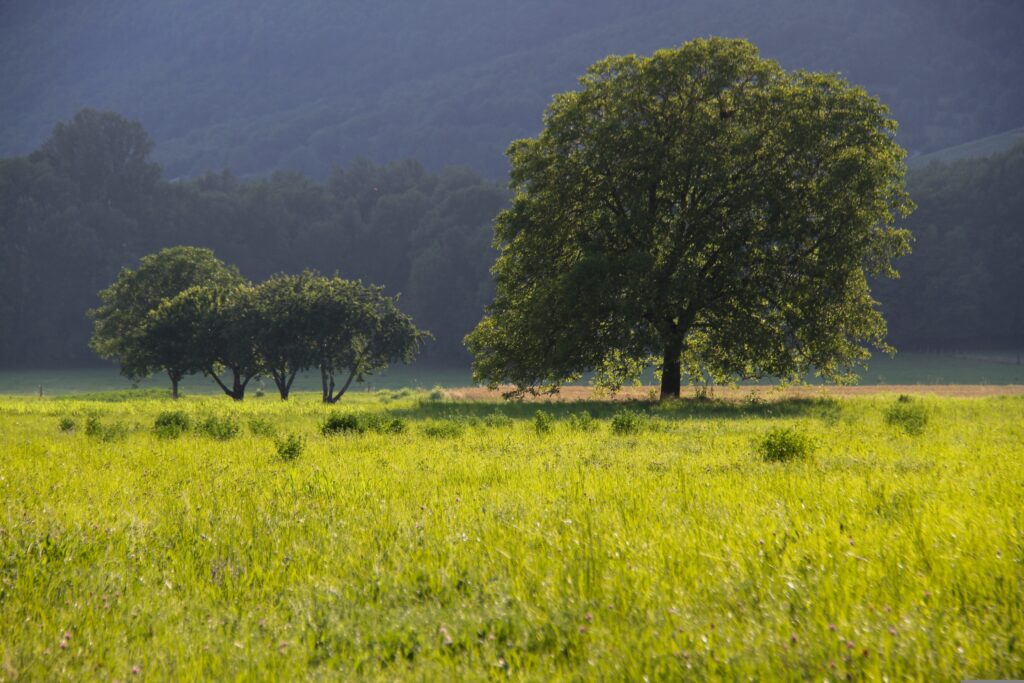
- Summer reveals lush mountains and festivals
- Autumn transforms valleys and lakes with color
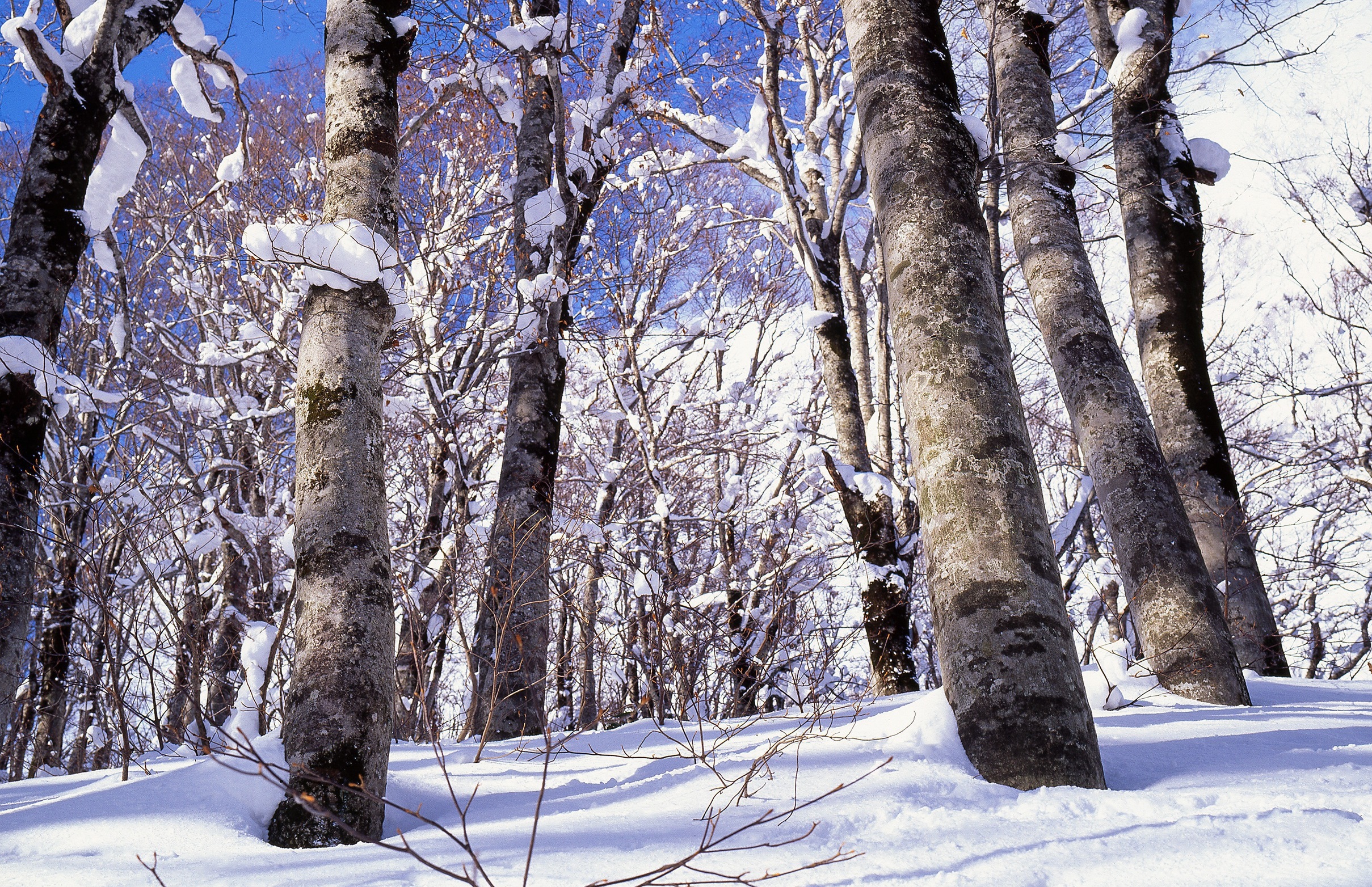
- Winter covers Aizu in deep snow
Despite this variety, many areas remain uncrowded, even during peak seasons.
Breaking the Single Story
Fukushima is often associated with a single moment in recent history, but that moment does not define the whole prefecture.
What defines Fukushima today is:
- Ongoing recovery driven by local communities
- Transparency and openness
- Pride in everyday life rather than spectacle
Travel here offers a more nuanced understanding—one shaped by experience rather than assumption.
Food, Craft, and Local Life
Across Fukushima, food culture reflects geography:
- Coastal seafood
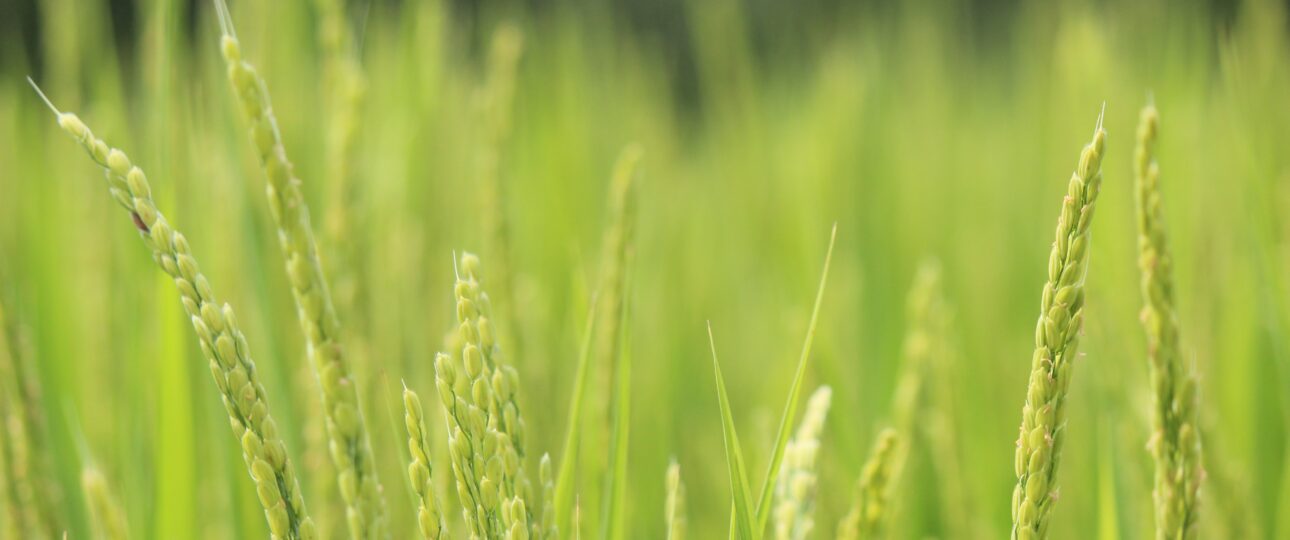
- Rice and fruit from fertile plains
- Preserved foods suited to mountain winters
Local crafts and industries emphasize durability, practicality, and regional identity.
These everyday elements quietly reveal how people live with their land.

From itinerary planning to local recommendations, our consultation service helps you travel Japan with ease and confidence.
Why Fukushima Rewards Slow Travel
Fukushima is not a destination for rushed itineraries. Its appeal lies in:
- Long drives with changing scenery
- Small towns with distinct atmospheres
- Encounters that feel unplanned rather than curated
Travelers who take their time often find Fukushima unexpectedly memorable.
An Invitation to Rediscover
Fukushima does not ask to be explained—it invites visitors to see, listen, and experience.
From coastline to mountains, from history to modern life, it offers a depth that becomes clearer with each day spent exploring.
This first introduction sets the stage for a deeper journey into Fukushima’s landscapes, food, culture, and hot spring traditions.

Create Your Own Travel Booking With Us
We specialize in crafting unforgettable journeys across Japan. Whether you’re a solo traveler, couple, or family, our expert planners, multilingual guides, and customer care team ensure your adventure is seamless and unique — from first click to final destination.
Create your travel booking website with us — and let your story unfold in Japan.