When travelers think of Nagasaki, one image often comes to mind: the city’s tragic connection to World War II. Yet reducing Nagasaki to a single historical moment means missing the extraordinary richness of one of Japan’s most culturally layered and geographically diverse prefectures.
Located on the western edge of Kyushu, Nagasaki Prefecture is a place where mountains drop dramatically into the sea, where centuries-old trading ports shaped Japan’s relationship with the outside world, and where remote islands preserve traditions that have nearly disappeared elsewhere. It is also a region where cultures from Japan, China, and Europe once met and blended, leaving behind architecture, cuisine, and customs unlike anywhere else in the country.
For travelers willing to go beyond the usual tourist routes, Nagasaki offers something rare in modern Japan: a chance to explore a destination that still feels quietly undiscovered.
A Prefecture Shaped by the Sea
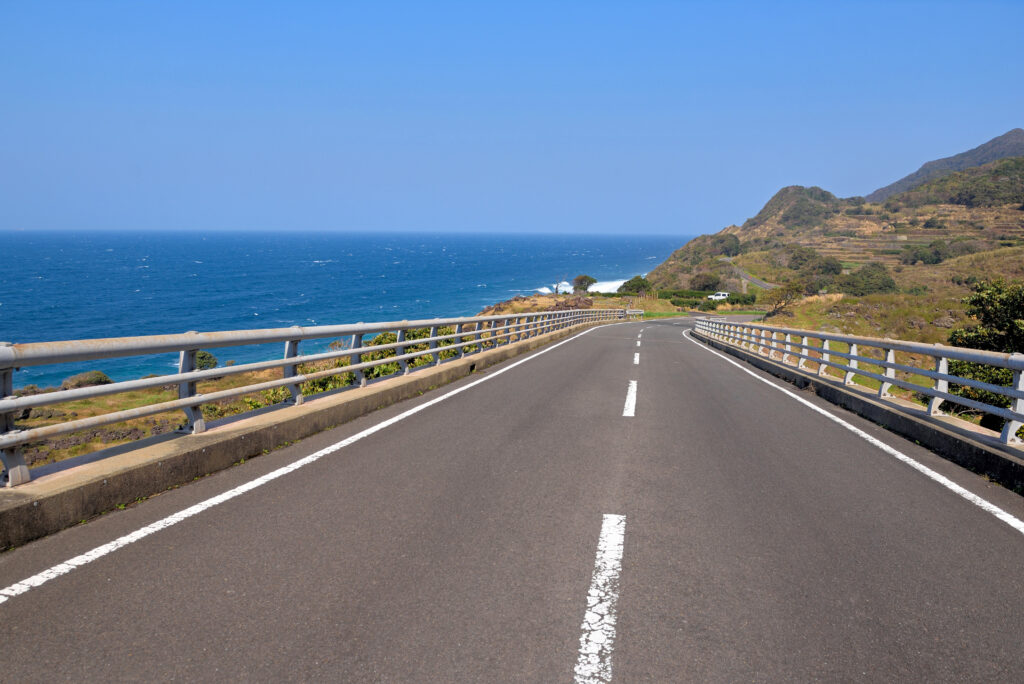
Geography plays a defining role in Nagasaki’s identity. The prefecture is made up of a rugged coastline and more than 900 islands scattered across the East China Sea. These islands and peninsulas create countless hidden coves, fishing villages, and scenic coastal landscapes that remain largely untouched by mass tourism.
Unlike the wide plains found in many other parts of Japan, Nagasaki’s terrain is dramatic and compact. Hills rise sharply above narrow valleys, and towns are often built in layers along steep slopes facing the ocean. This unique landscape gives many places in Nagasaki a picturesque, almost Mediterranean atmosphere.
Because of its proximity to the Asian continent, Nagasaki has long served as one of Japan’s most important gateways to the outside world. For centuries, ships from China, Korea, and later Europe arrived at its ports, bringing goods, ideas, and cultural influences that gradually shaped the region’s identity.
Even today, walking through Nagasaki Prefecture feels like moving through a crossroads of cultures.
Planning a trip to Japan and not sure where to start? We’re happy to help you design a journey that fits your travel style.
A Historic Port That Opened Japan to the World
Few places in Japan played a more significant role in international exchange than Nagasaki. During the Edo period (1603–1868), when the rest of Japan adopted a strict isolation policy, Nagasaki remained one of the only ports where foreign trade was permitted.
Merchants from China and the Netherlands were allowed to conduct business here, bringing scientific knowledge, technology, and cultural ideas that slowly filtered into Japanese society. This exchange laid the groundwork for what became known as Rangaku, or “Dutch learning,” which introduced Western medicine, astronomy, and engineering to Japan.
The influence of this international contact can still be seen throughout Nagasaki today. European-style buildings, Christian churches, and Chinese temples stand alongside traditional Japanese architecture. Even local food reflects these connections, blending foreign influences with Japanese culinary traditions.
Exploring Nagasaki is therefore not just about sightseeing—it is about witnessing the story of Japan’s encounter with the wider world.
The Quiet Charm of Smaller Towns
While Nagasaki City draws most of the attention, the prefecture’s true charm often lies in its smaller towns and coastal communities.
Places like Hirado, for example, once served as important trading ports where European merchants first arrived in Japan during the 16th century. Today, the town retains a peaceful atmosphere with narrow streets, historic residences, and sweeping ocean views.
Elsewhere, visitors may encounter traditional fishing villages where life still follows the rhythm of the tides. Wooden boats line small harbors, fishermen prepare their nets in the early morning, and local markets offer the day’s freshest catch.
These communities reveal a quieter side of Japan that many travelers rarely experience—one where daily life continues much as it has for generations.
Dramatic Coastlines and Natural Beauty
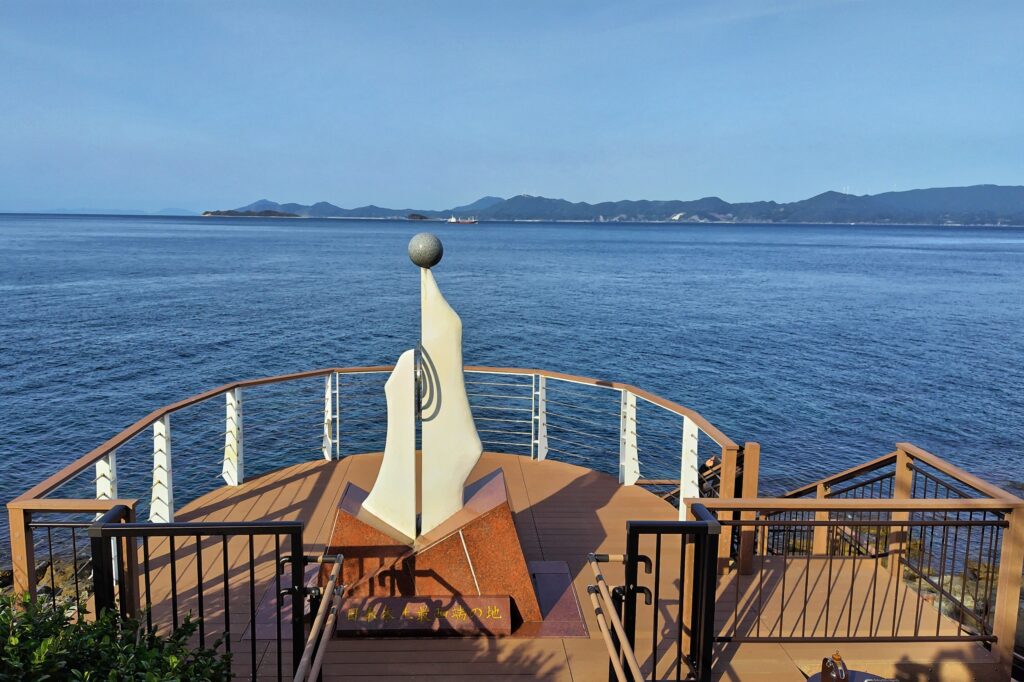
Nagasaki is also a paradise for travelers who enjoy scenic landscapes. The combination of mountains and sea creates spectacular viewpoints throughout the prefecture.
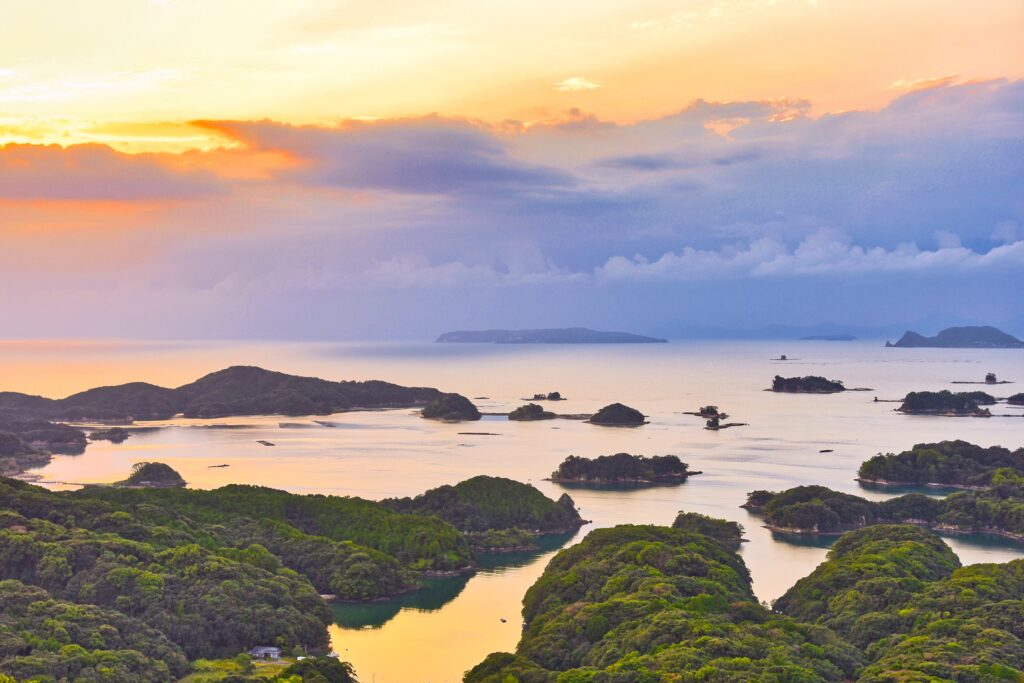
The Kujukushima area near Sasebo, for instance, is famous for its complex network of small islands scattered across calm blue waters. Despite its name meaning “ninety-nine islands,” the region actually contains more than 200 islands, forming one of Japan’s most beautiful coastal landscapes.
Observation decks in the area offer panoramic views of these emerald islands rising from the sea, particularly breathtaking at sunset when the sky reflects across the water.
Further south, rugged coastlines and hidden beaches provide opportunities for hiking, photography, and quiet exploration far from crowded tourist destinations.
A Unique Culinary Culture
Another fascinating aspect of Nagasaki is its distinctive cuisine, which reflects centuries of international exchange.
One of the most famous local dishes is Champon, a hearty noodle soup originally created by Chinese immigrants in the city. The dish combines pork broth with seafood, vegetables, and thick noodles, resulting in a comforting meal that perfectly represents Nagasaki’s cultural fusion.
Another well-known specialty is Castella, a sponge cake introduced by Portuguese merchants in the 16th century. Over time, Japanese confectioners refined the recipe, and today Castella has become one of Nagasaki’s signature sweets.
These dishes tell a story of cultural exchange just as vividly as the region’s architecture and history.
From itinerary planning to local recommendations, our consultation service helps you travel Japan with ease and confidence.
Why Nagasaki Rewards Curious Travelers
In an era when many famous destinations struggle with overtourism, Nagasaki offers something refreshingly different. The prefecture invites visitors to slow down, wander, and discover places that remain relatively untouched by large crowds.
Here, travelers can walk through centuries-old port towns, watch fishing boats return at sunset, and stand on quiet coastal cliffs overlooking the vast East China Sea.
It is a place where history is not confined to museums but woven into everyday life, where cultural influences from across the world quietly coexist, and where each island or village seems to hold its own unique story.
For those seeking a deeper and more meaningful travel experience in Japan, Nagasaki may just be one of the country’s most rewarding hidden destinations.

Create Your Own Travel Booking With Us
We specialize in crafting unforgettable journeys across Japan. Whether you’re a solo traveler, couple, or family, our expert planners, multilingual guides, and customer care team ensure your adventure is seamless and unique — from first click to final destination.
Create your travel booking website with us — and let your story unfold in Japan.