When people imagine traveling in Nagasaki Prefecture, they often picture historic churches, international trading ports, or scenic harbor views. Yet beyond the mainland lies another side of the region that many travelers rarely explore: its remote islands scattered across the Sea of Japan.
Among them, Iki and Tsushima stand out as two of the most fascinating destinations. Located between Kyushu and the Korean Peninsula, these islands have long served as cultural and historical crossroads linking Japan with the Asian continent. Their strategic location made them important trade points, defensive frontiers, and places where unique island cultures developed over centuries.
Today, Iki and Tsushima remain far less visited than many famous destinations in Japan. For travelers seeking quiet landscapes, ancient shrines, and a deeper understanding of Japan’s maritime history, these islands offer an unforgettable journey.
Iki Island: Sacred Shrines and Coastal Beauty
Iki Island lies about halfway between Kyushu and Tsushima, surrounded by clear blue waters and rugged coastlines. Despite its relatively small size, the island is rich in history and spiritual significance.
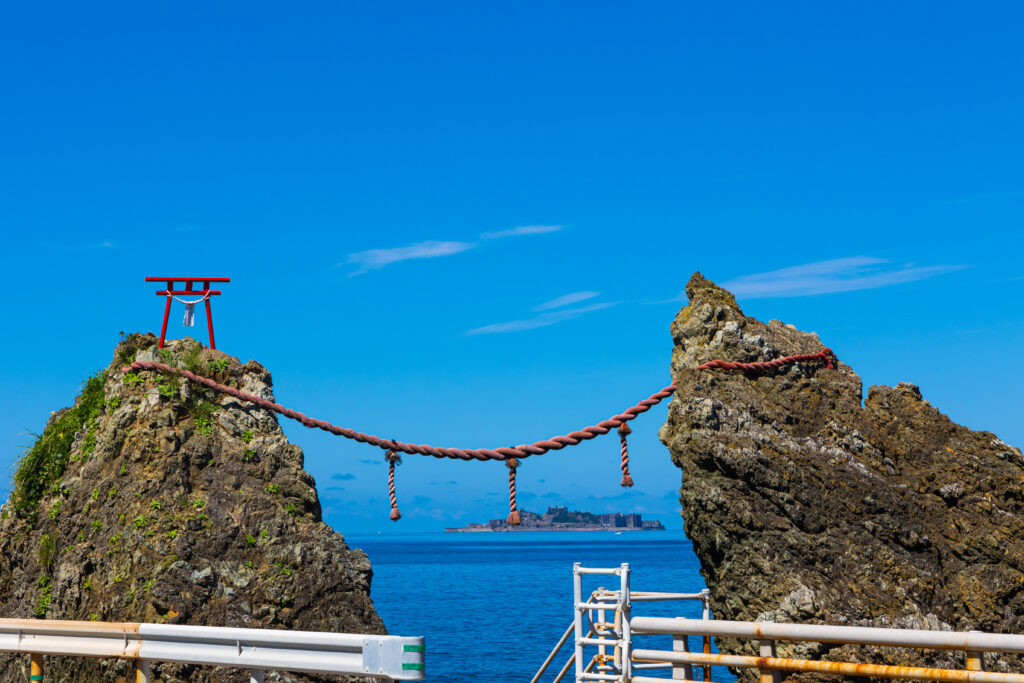
One of the most striking features of Iki is its remarkable concentration of Shinto shrines. Local tradition claims that the island is home to more than 150 shrines, earning it the nickname “Island of the Gods.” Many of these shrines are located in scenic coastal settings, with torii gates standing against dramatic ocean backdrops.
Among the most famous is Kojima Shrine, often referred to as “Iki’s Torii in the Sea.” During low tide, visitors can walk across the sand to reach the small island shrine, while at high tide the torii gate appears to float above the water.
These sacred sites reflect the island’s long-standing spiritual traditions and its deep connection with the surrounding sea.
Quiet Beaches and Untouched Nature
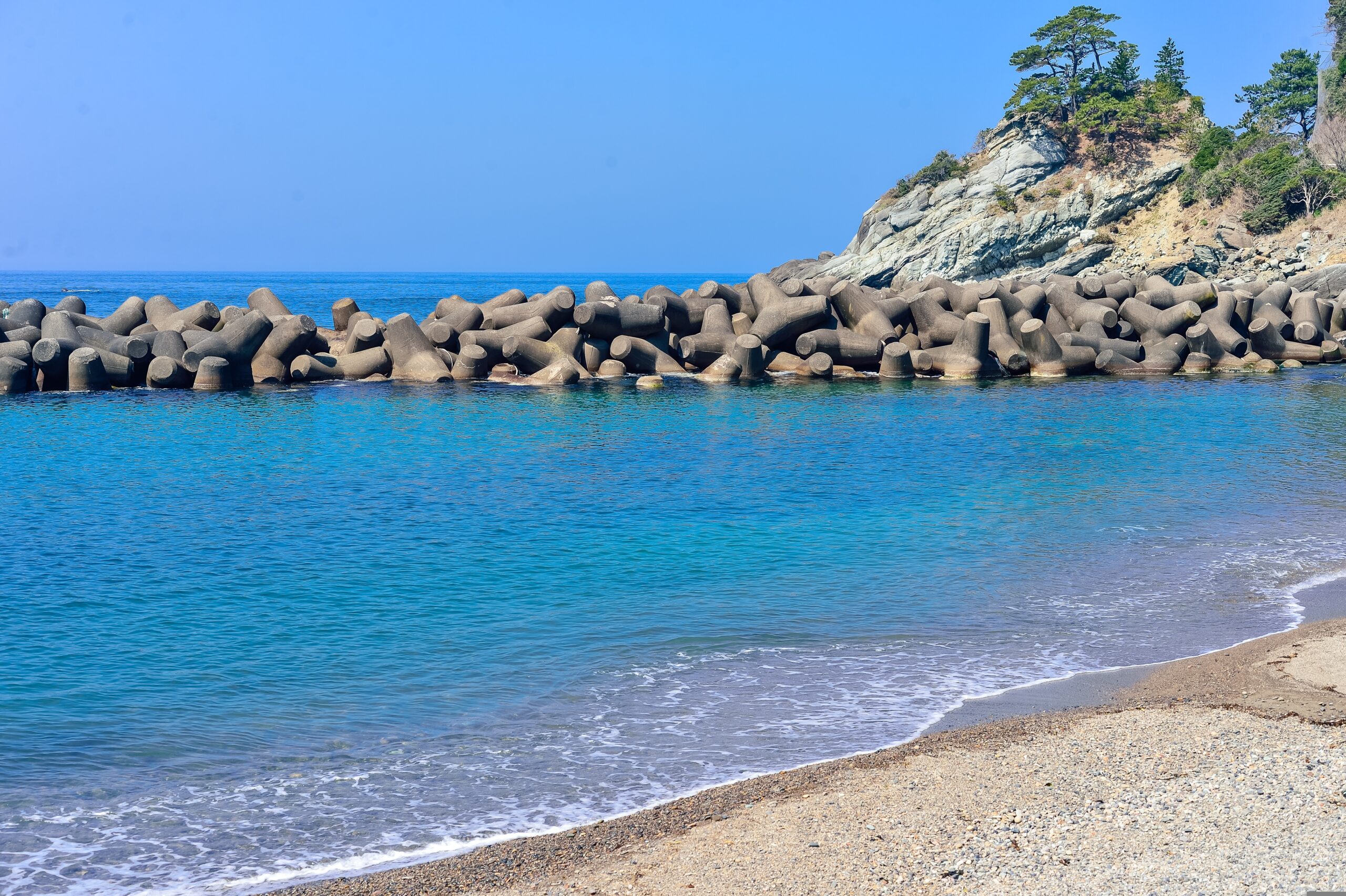
Beyond its shrines, Iki is also known for its beautiful natural scenery. The island’s coastline is dotted with sandy beaches, rocky cliffs, and small fishing villages that retain a relaxed, local atmosphere.
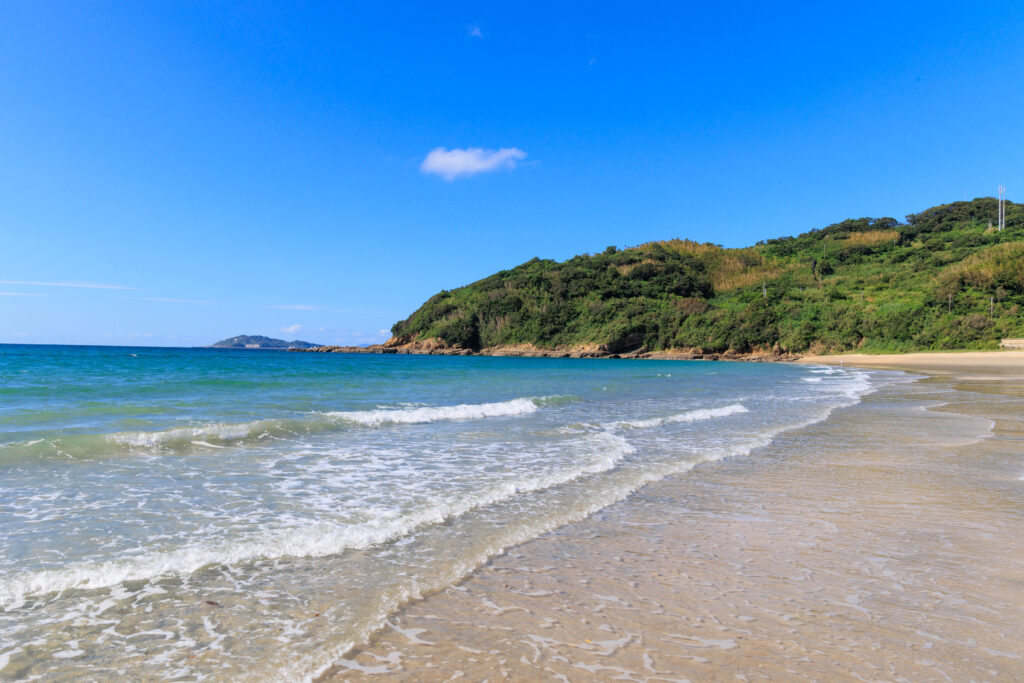
Tsutsukihama Beach is one of the island’s most popular spots, famous for its wide stretch of soft white sand and clear waters. During summer, locals and visitors gather here to swim and enjoy the calm coastal environment.
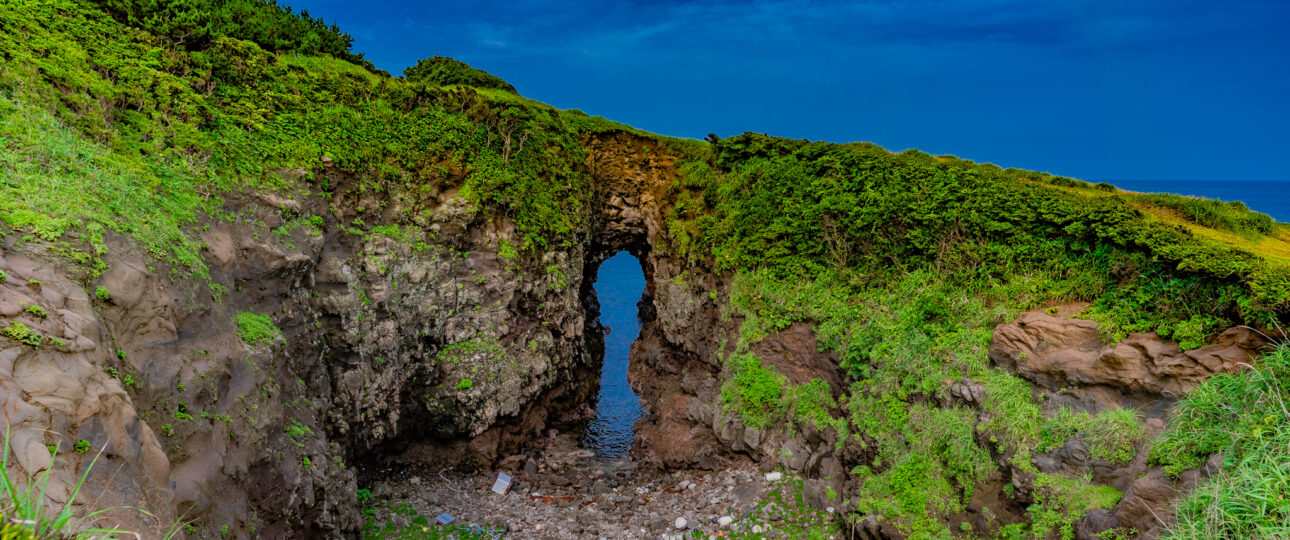
Elsewhere, dramatic rock formations and windswept cliffs offer stunning ocean views. Hiking trails along the coastline provide opportunities to experience the island’s rugged beauty while enjoying the peaceful rhythm of island life.
Compared with crowded beach destinations elsewhere in Japan, Iki offers a quieter and more intimate experience of the sea.
Planning a trip to Japan and not sure where to start? We’re happy to help you design a journey that fits your travel style.
Tsushima: A Frontier Island of History
Further north lies Tsushima Island, one of Japan’s most historically significant frontier regions. Positioned much closer to South Korea than to mainland Japan, Tsushima has long played a crucial role in diplomacy, trade, and defense.
For centuries, the island served as a key gateway between Japan and the Korean Peninsula. Diplomatic missions, merchants, and scholars frequently traveled through Tsushima, making it an important point of cultural exchange.
The island also witnessed major historical events. In 1274 and 1281, Tsushima became the first battleground during the Mongol invasions of Japan. Local warriors fought bravely against the invading forces, and the island’s role in these conflicts remains an important part of its historical identity.
Today, traces of this past can still be found in historical sites, museums, and local legends that tell the story of Tsushima’s strategic importance.
Rich Forests and Rare Wildlife
Unlike the relatively open landscapes of Iki, Tsushima is known for its dense forests and mountainous terrain. Nearly 90 percent of the island is covered in woodland, creating a rich natural environment that supports diverse wildlife.
One of the island’s most famous inhabitants is the Tsushima leopard cat, a rare and endangered species found nowhere else in the world. Conservation efforts have been underway for decades to protect this elusive animal and its habitat.
Birdwatchers are also drawn to Tsushima, as the island sits along an important migratory route between the Asian continent and Japan. During migration seasons, a wide variety of bird species can be observed resting on the island before continuing their journeys.
For nature lovers, Tsushima offers a chance to explore forests, mountains, and coastal scenery that feel wonderfully untouched.
Island Culture and Fresh Seafood
Life on Iki and Tsushima revolves around the sea. Fishing has long been one of the main industries on both islands, and the surrounding waters are known for producing some of the freshest seafood in the region.
Local specialties include sea urchin, squid, and a variety of seasonal fish caught in nearby waters. On Iki, visitors can also try Iki beef, a high-quality wagyu brand raised on the island.
Dining at small local restaurants often feels like a personal introduction to island culture. Many family-run establishments serve dishes prepared using traditional methods and ingredients sourced directly from nearby waters and farms.
Meals here are simple, fresh, and deeply connected to the rhythms of the sea.
A Different Side of Japan
Traveling to Iki and Tsushima offers something that many popular destinations no longer provide: a sense of discovery. These islands remain largely untouched by mass tourism, allowing visitors to experience a slower pace of life and landscapes that feel refreshingly authentic.
Here, travelers can watch fishing boats drift across quiet harbors, explore ancient shrines overlooking the ocean, and walk along beaches where footprints disappear quickly in the sea breeze.
The journey itself also adds to the experience. Ferries connecting the islands with Kyushu provide scenic views of the surrounding waters, gradually revealing the rugged coastlines of these remote destinations.
From itinerary planning to local recommendations, our consultation service helps you travel Japan with ease and confidence.
Why These Islands Are Worth the Journey
While they may require a little extra effort to reach, Iki and Tsushima reward travelers with experiences that are difficult to find elsewhere in Japan.
Their unique location between Japan and Korea shaped centuries of history, diplomacy, and cultural exchange. At the same time, their natural landscapes and quiet communities preserve a slower, more traditional way of life.
For those willing to venture beyond Japan’s most famous destinations, these islands reveal a side of Nagasaki Prefecture that feels both remote and deeply connected to the broader history of East Asia.
In many ways, Iki and Tsushima represent the spirit of travel itself: discovering places that remain just beyond the usual path.

Create Your Own Travel Booking With Us
We specialize in crafting unforgettable journeys across Japan. Whether you’re a solo traveler, couple, or family, our expert planners, multilingual guides, and customer care team ensure your adventure is seamless and unique — from first click to final destination.
Create your travel booking website with us — and let your story unfold in Japan.