In a country often celebrated for its seasonal beauty, few places express the philosophy of landscape design as quietly and completely as Ritsurin Garden in Kagawa Prefecture. Unlike more crowded and internationally famous gardens, Ritsurin offers something subtler—an immersive experience of balance, space, and time.
Rather than overwhelming visitors with spectacle, it invites you to slow down. Every path, every tree, every framed view has been carefully considered, yet nothing feels forced. This is a place where Japanese aesthetics are not explained—they are felt.
A Garden Shaped Over Generations
Ritsurin Garden dates back to the early Edo period and was developed over more than a century by local feudal lords. What makes it remarkable is not just its age, but the continuity of vision behind it.
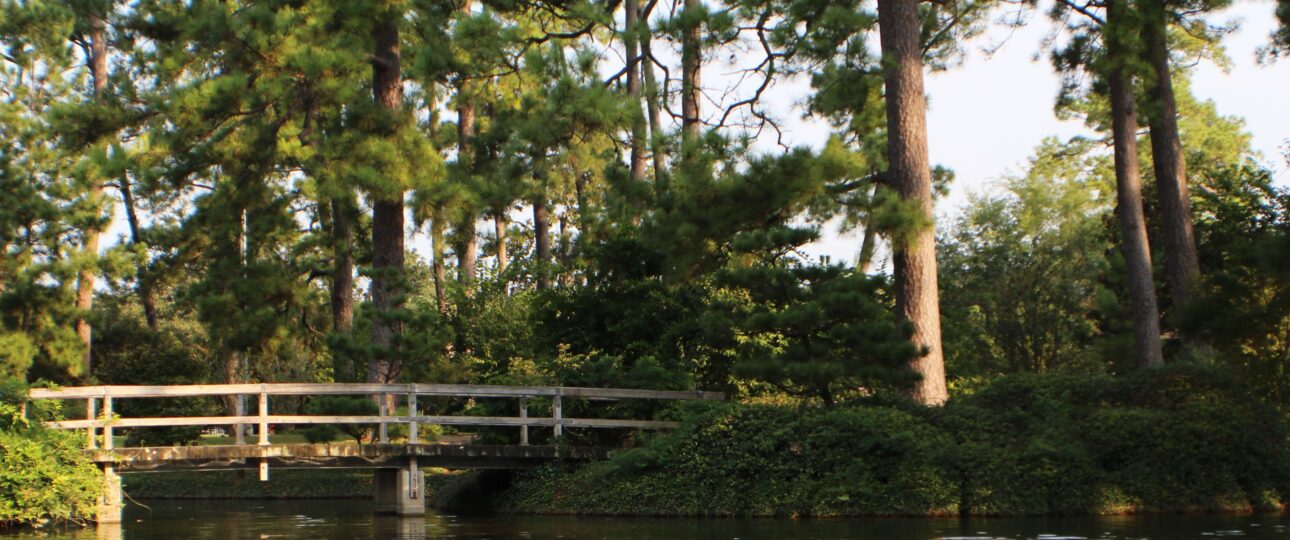
Designed as a strolling garden, it was meant to be experienced step by step. As you move through the space, the scenery unfolds gradually—bridges leading to small islands, ponds reflecting carefully pruned pines, distant hills incorporated seamlessly into the composition.
This technique, known as “borrowed scenery” (shakkei), is central to Japanese garden design. At Ritsurin, the backdrop of Mount Shiun becomes part of the garden itself, blurring the boundary between human creation and natural landscape.
The Beauty of Intentional Space
One of the most striking aspects of Ritsurin is how it uses empty space.
In many Western gardens, beauty is often associated with abundance—flowers, colors, and decorative elements filling every corner. Here, the opposite is true. Open areas of gravel, still water, and uncluttered pathways create a sense of calm and clarity.
This concept is closely tied to the Japanese aesthetic principle of ma, often translated as “negative space.” But ma is not emptiness in a literal sense—it is the space that allows things to exist in relation to each other.
At Ritsurin, this philosophy is everywhere. A single pine tree can stand alone against a wide pond, drawing your attention not just to the tree itself, but to the space around it. The result is a kind of quiet intensity, where even the smallest details feel significant.
Walking as a Way of Seeing
Ritsurin is not meant to be viewed from a single vantage point. It is a garden that reveals itself through movement.
As you follow the winding paths, perspectives shift constantly. A bridge that seemed distant becomes suddenly close. A cluster of trees opens to reveal a hidden teahouse. Reflections on the water change with the light and the angle of your view.
This dynamic experience encourages a slower pace. You begin to notice things you might otherwise overlook—the texture of moss, the sound of wind through pine needles, the subtle gradients of green across the landscape.
In this way, the act of walking becomes a form of observation, almost meditative in nature.
Seasonality Without Excess
Like many places in Japan, Ritsurin Garden transforms with the seasons. But its beauty does not rely on dramatic changes alone.
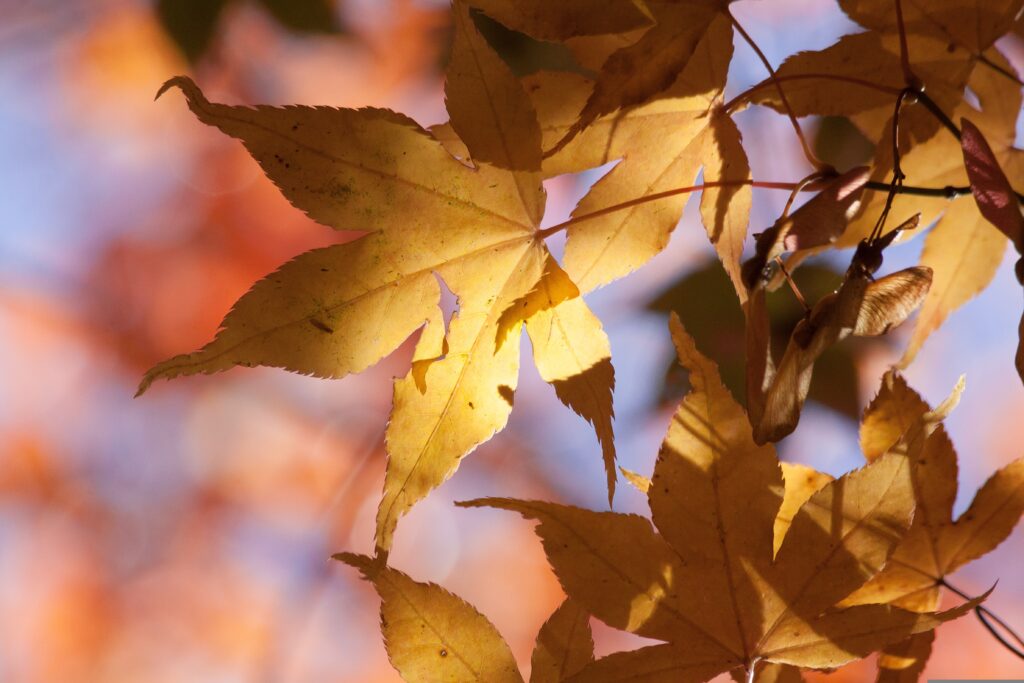
Spring brings soft cherry blossoms that frame the ponds without overwhelming them. Summer deepens the greens, creating a sense of lush stillness. In autumn, maple leaves add warmth and contrast, while winter reveals the underlying structure of the garden in a more minimalist form.
What makes these seasonal shifts special is their restraint. The garden does not chase spectacle; instead, it allows each season to express itself naturally, within the framework of its design.

From itinerary planning to local recommendations, our consultation service helps you travel Japan with ease and confidence.
Teahouses and Moments of Pause
Scattered throughout Ritsurin are traditional teahouses, where visitors can sit, rest, and take in the scenery from a fixed point.
These spaces are an essential part of the experience. After walking through the garden, sitting down with a cup of matcha creates a different kind of engagement—one that emphasizes stillness rather than movement.
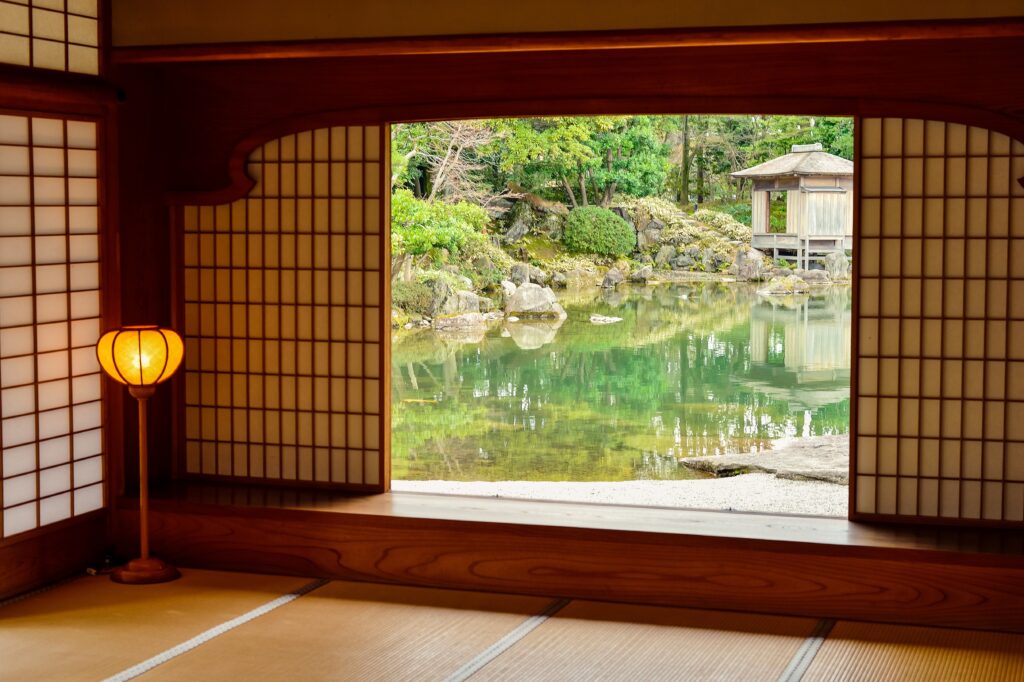
From the teahouse, the garden becomes a living painting. The carefully composed views, framed by wooden structures and sliding doors, highlight the artistry behind the landscape.
This interplay between movement and pause reflects a broader rhythm found in Japanese culture—the balance between activity and rest, between exploration and reflection.
A Local Rhythm, Not a Tourist Rush
Compared to more famous destinations in Japan, Ritsurin Garden maintains a relatively calm atmosphere. Even during peak seasons, it rarely feels overwhelming.
This allows for a more personal experience. You are not just passing through; you have the space to engage with the environment at your own pace.
In many ways, this reflects the character of Kagawa Prefecture itself. The region is known for its slower tempo, where everyday life feels less hurried and more grounded.

Understanding Japanese Aesthetics Through Place
Ritsurin Garden is often described as one of Japan’s finest gardens, but its significance goes beyond rankings or reputation.
It offers insight into how beauty is understood in Japanese culture—not as something loud or attention-grabbing, but as something that emerges through balance, restraint, and attention to detail.
Here, design is not about control, but about harmony. Human intervention shapes the landscape, yet always in dialogue with nature.
A Different Kind of Travel Experience
For travelers used to fast-paced itineraries, Ritsurin Garden offers a different approach.
It is not about checking off sights or capturing the perfect photo. Instead, it encourages a shift in perspective—toward noticing, slowing down, and appreciating the subtle relationships between elements.
Time seems to stretch here. A short visit can feel unexpectedly full, not because of how much you see, but because of how deeply you experience it.
For travelers seeking a personalized and stress-free Japan journey, our consultation service offers expert guidance every step of the way.
Where Stillness Becomes Memorable
In Kagawa Prefecture, Ritsurin Garden stands as a reminder that travel does not always have to be about movement or excitement. Sometimes, the most lasting impressions come from quiet moments—watching light change on water, hearing footsteps on gravel, or simply sitting in a space designed with care.
It is in these moments that the essence of the place reveals itself—not through grand statements, but through a kind of quiet clarity that stays with you long after you leave.

Create Your Own Travel Booking With Us
We specialize in crafting unforgettable journeys across Japan. Whether you’re a solo traveler, couple, or family, our expert planners, multilingual guides, and customer care team ensure your adventure is seamless and unique — from first click to final destination.
Create your travel booking website with us — and let your story unfold in Japan.