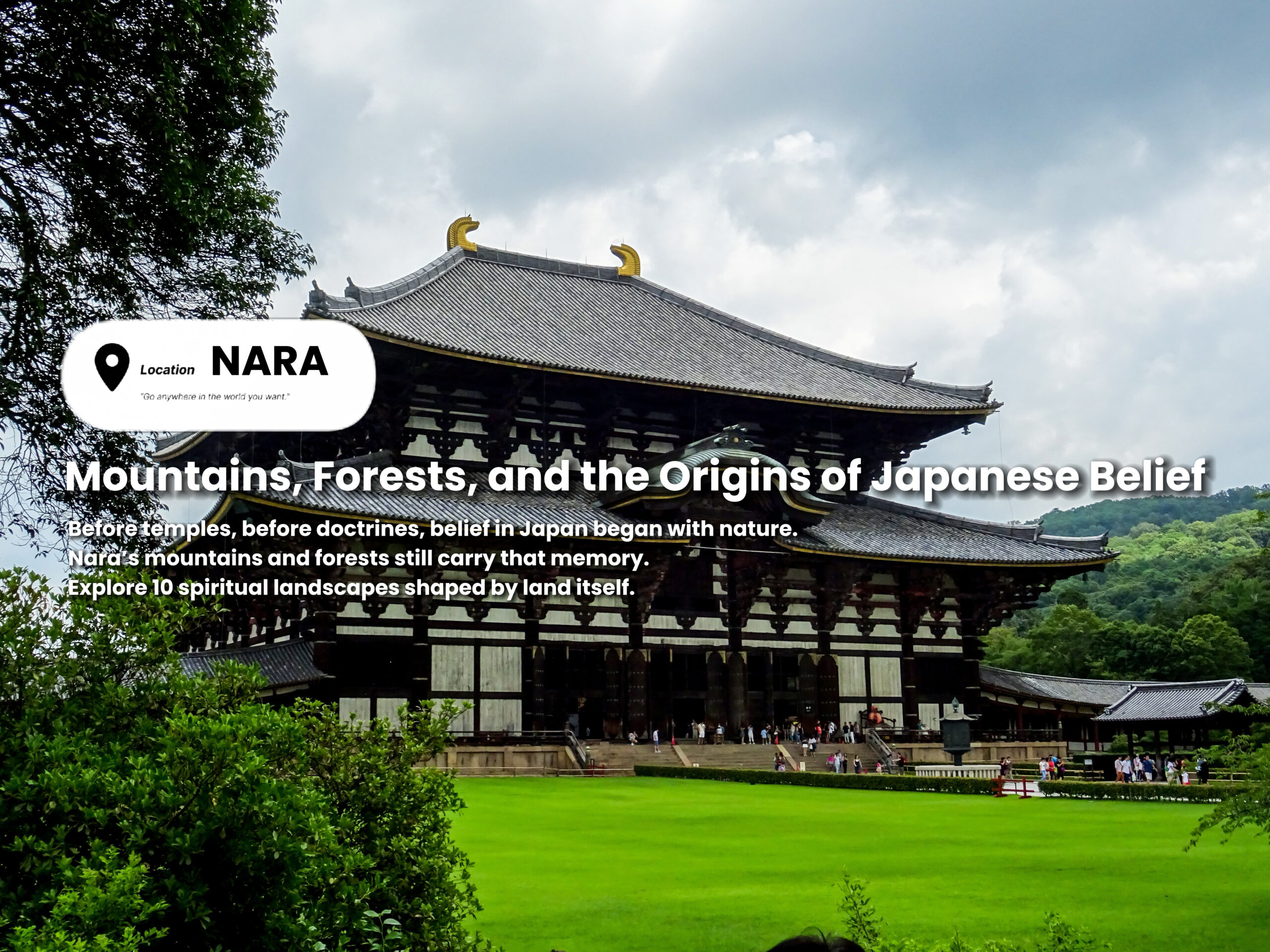
Tochigi’s historical importance cannot be separated from its spiritual landscape. Nowhere is this more evident than in Nikko, a place where religion, political power, and natural beauty came together to shape one of Japan’s most significant sacred spaces.
Rather than standing apart from nature, Tochigi’s religious sites were designed to exist within it—reflecting a worldview in which mountains, forests, and water were believed to be alive with meaning.
Nikko as a Spiritual Center
For centuries, Nikko has been regarded as a sacred mountain region. Long before its grand architecture was built, the area was already valued as a place of worship and retreat. The mountains surrounding Nikko were believed to offer spiritual protection, making the region an ideal setting for temples and shrines.
This belief shaped the layout of Nikko itself. Buildings were placed in harmony with the landscape, connected by forest paths rather than city streets. Even today, visitors often notice how quickly the atmosphere changes upon entering the area—sounds soften, light filters through cedar trees, and the pace of movement slows naturally.
Faith and Power in Japanese History
Nikko’s importance grew significantly during Japan’s early modern period, when religious authority and political power became closely linked. The region became a place not only of prayer, but of symbolism—representing stability, protection, and continuity.
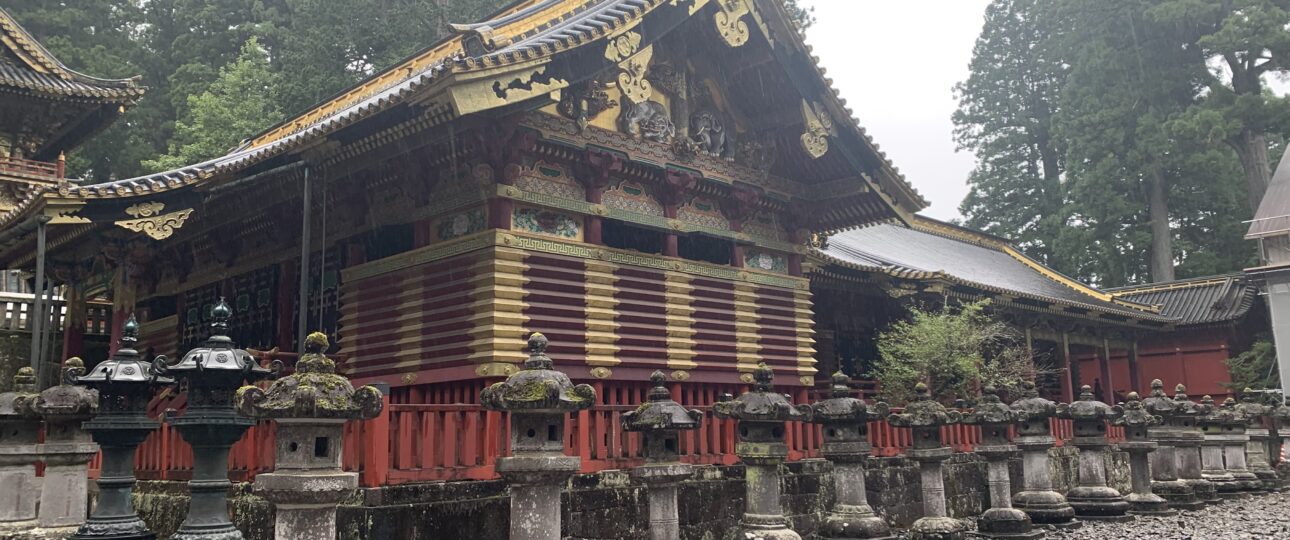
The craftsmanship found in Nikko’s architecture reflects this role. Elaborate carvings, layered structures, and carefully planned spatial design were meant to communicate reverence and permanence. Yet despite their richness, these sites never overpower their surroundings. Nature remains an equal presence, reminding visitors that human achievement exists within a larger order.
For travelers seeking a personalized and stress-free Japan journey, our consultation service offers expert guidance every step of the way.
Architecture Designed for Reflection
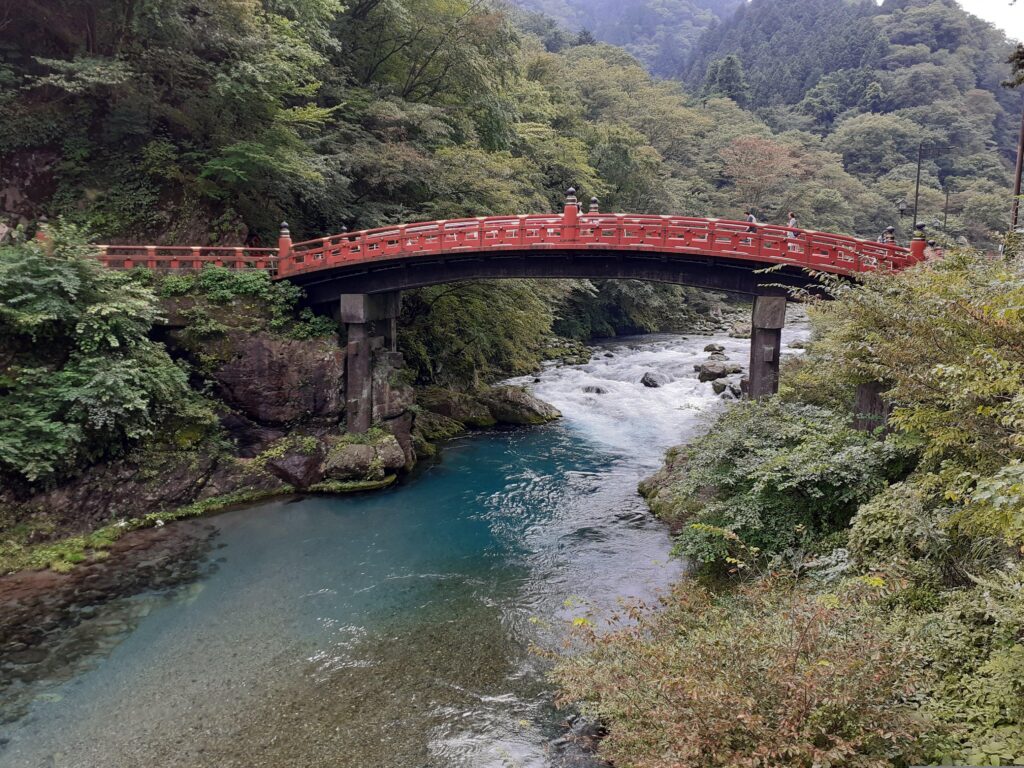
One of the most striking features of Nikko’s sacred spaces is how they guide movement and attention. Paths curve rather than run straight. Gates frame views of forests and mountains. Steps slow the body before entering important areas.
This design encourages reflection rather than efficiency. Visitors are not rushed from one point to another; instead, they are invited to pause, observe, and become aware of their surroundings. It is an experience that feels intentional and deeply rooted in traditional Japanese values.
The Role of Nature in Belief
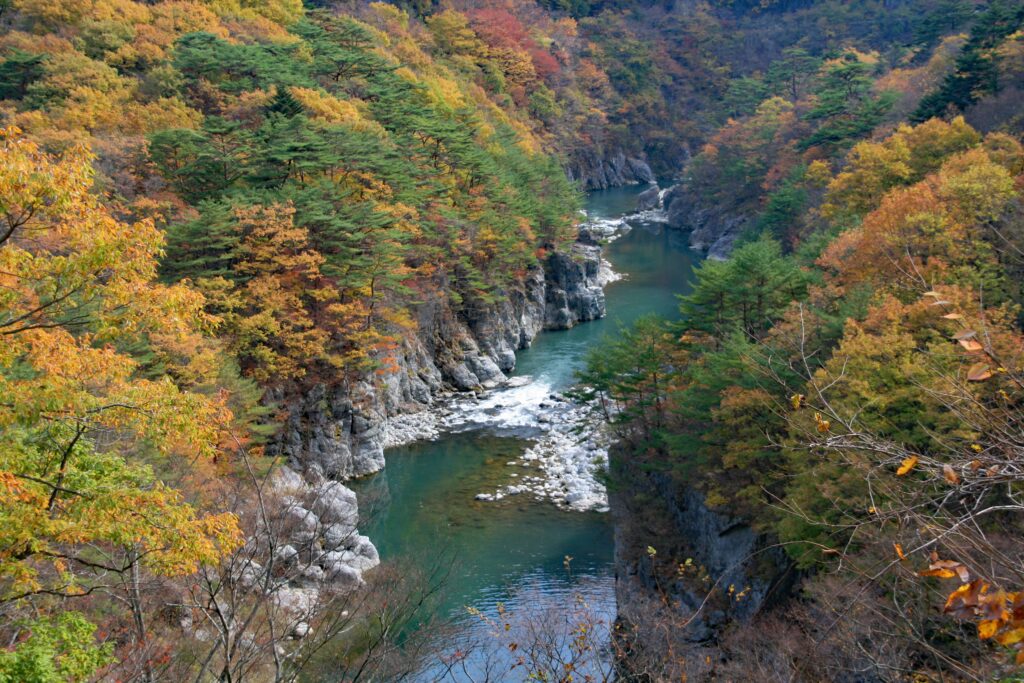
In Tochigi, nature itself is considered sacred. Forests, rivers, and mountains are not simply backgrounds for worship—they are active participants.
This perspective helps explain why Nikko’s religious sites remain powerful today. Even without deep knowledge of Japanese belief systems, travelers often sense a quiet intensity in these spaces. The environment communicates meaning through sound, light, and scale.
During different seasons, the atmosphere shifts:
- Spring brings renewal and softness
- Summer deepens the forest’s stillness
- Autumn adds dramatic color and contrast
- Winter emphasizes silence and form
Each season reveals a new dimension of the same sacred landscape.
If you’d like help planning a smooth and well-organized trip to Japan, our travel consultants are here to assist.
Beyond Nikko: Spiritual Landscapes Across Tochigi
While Nikko is the most famous example, spiritual spaces appear throughout Tochigi. Smaller shrines, roadside temples, and mountain sanctuaries reflect the same relationship between belief and environment.
These lesser-known sites often provide a more personal experience—one that allows visitors to observe local practices and traditions without crowds. They also show how faith continues to shape everyday life in the region, not just its historic landmarks.
Why Sacred Space Matters to Modern Travelers
In an era of fast-paced travel and constant stimulation, Tochigi’s sacred spaces offer something increasingly rare: room to breathe and reflect. Visitors are not expected to rush or consume information. Instead, they are encouraged to experience presence—through walking, observing, and listening.
This makes Tochigi especially meaningful for travelers seeking more than sightseeing. It is a destination for those interested in understanding how history, belief, and landscape intersect in Japan.
A Living Legacy
Nikko and the spiritual landscapes of Tochigi are not relics of the past. They remain active places of worship, reflection, and cultural continuity. By preserving the balance between human design and natural surroundings, Tochigi offers a powerful example of how sacred spaces can remain relevant across centuries.

Create Your Own Travel Booking With Us
We specialize in crafting unforgettable journeys across Japan. Whether you’re a solo traveler, couple, or family, our expert planners, multilingual guides, and customer care team ensure your adventure is seamless and unique — from first click to final destination.
Create your travel booking website with us — and let your story unfold in Japan.