Nagasaki Prefecture is often described as one of Japan’s most historically layered regions. For centuries, this coastal area served as a gateway between Japan and the wider world, shaping political events, cultural exchange, and religious history.
While Nagasaki City itself is widely known, the prefecture is also home to several historic towns where the past can still be experienced in remarkably vivid ways. From old trading ports and castle towns to quiet communities with deep spiritual traditions, these places reveal how Nagasaki developed into one of Japan’s most internationally connected regions.
For travelers interested in history and culture, exploring these historic towns offers a deeper understanding of the forces that shaped both Nagasaki and Japan as a whole.
Hirado: A Gateway of Early International Trade
One of the most historically significant towns in Nagasaki Prefecture is Hirado. Located on the northwestern coast of Kyushu, Hirado played a crucial role during the early period of international trade in Japan.
In the 16th and early 17th centuries, merchants from Portugal, the Netherlands, and England arrived in Hirado, establishing trading posts that connected Japan to global trade networks. European ships once anchored in the harbor, bringing goods, knowledge, and new cultural influences.
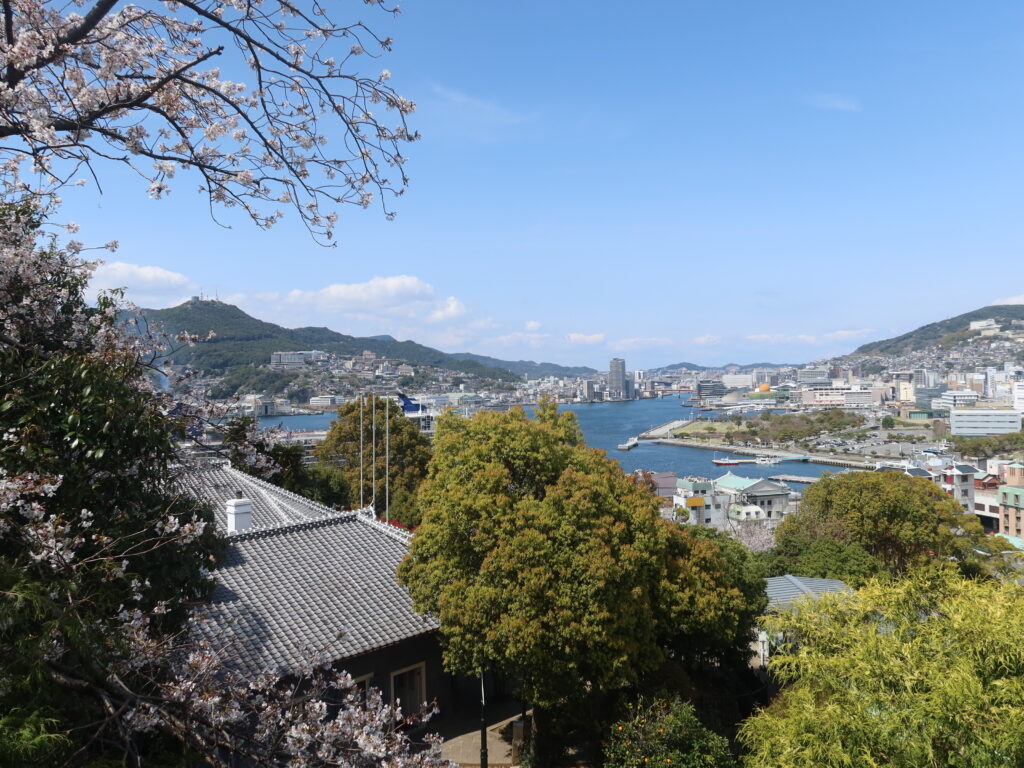
Today, Hirado retains a peaceful atmosphere while preserving many reminders of its international past. Hirado Castle stands on a hill overlooking the harbor, offering panoramic views of the surrounding sea. Nearby streets feature traditional buildings alongside historic Western-style structures that reflect the town’s early contact with Europe.
Walking through Hirado feels like stepping into a chapter of Japan’s maritime history.
Planning a trip to Japan and not sure where to start? We’re happy to help you design a journey that fits your travel style.
Shimabara: A Castle Town with a Dramatic Past
Further south lies the historic town of Shimabara, known for its impressive castle and dramatic role in Japanese history.
Shimabara Castle was originally built in the early 17th century and served as the center of a feudal domain. Today, the castle has been carefully restored and houses exhibits that explore the region’s history, including the events of the Shimabara Rebellion.
This uprising, which took place in the 1630s, involved thousands of peasants and Christian believers who rebelled against heavy taxation and religious persecution. The rebellion was eventually suppressed, but it became one of the most significant conflicts of the Edo period.
In addition to its historical importance, Shimabara is also known for its charming streets and waterways. Clear spring water flows through canals that run alongside traditional houses, creating a tranquil setting that contrasts with the town’s dramatic past.
Omura: A Town of Hidden Christian History
Another town with deep historical significance is Omura, located near Nagasaki Airport. Omura played an important role in the history of Christianity in Japan.
During the 16th century, the local lord Omura Sumitada became one of the first Japanese feudal leaders to convert to Christianity. Under his rule, the region became an important center for missionary activity and cultural exchange with European traders and missionaries.
Although Christianity was later banned, the legacy of these early communities continued to shape the region. Today, historical sites and churches around Omura reflect this unique chapter in Japanese religious history.
Visitors exploring the area can learn about the challenges faced by early Christian communities and the cultural exchanges that took place during this fascinating period.
Sasebo and the Scenic Kujukushima Islands
While many historic towns focus on the past, Sasebo offers a combination of history and natural beauty.
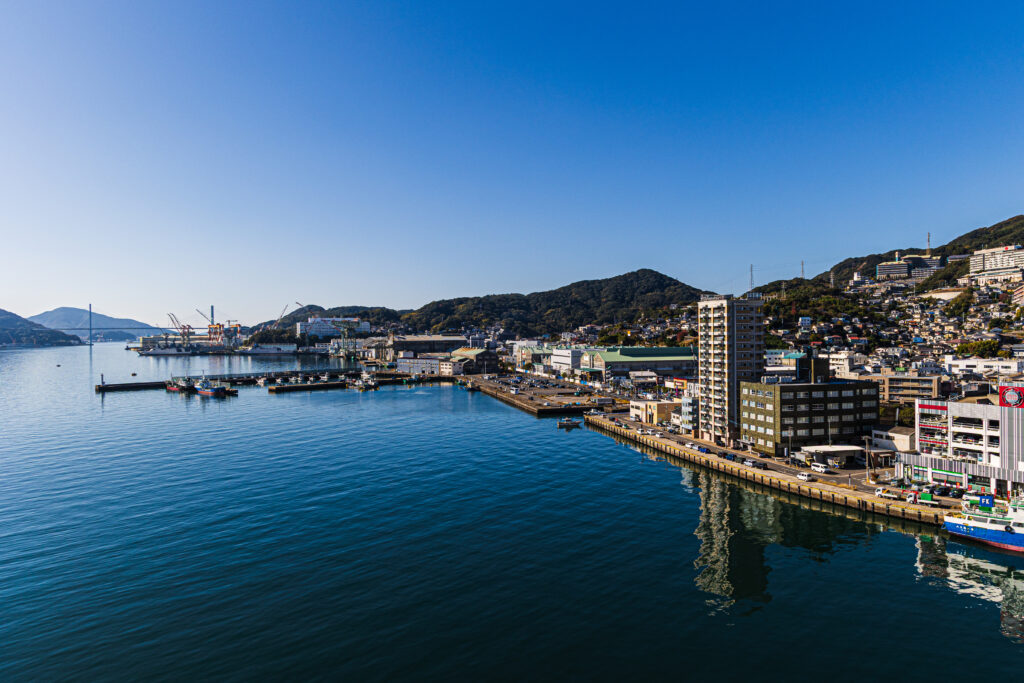
Located in northern Nagasaki Prefecture, Sasebo developed as an important naval port in the late 19th century during Japan’s modernization. Today, the city blends modern urban life with access to one of the most scenic coastal landscapes in Japan.
Just offshore lies the Kujukushima area, famous for its cluster of small islands scattered across calm blue waters. Despite the name meaning “ninety-nine islands,” the region actually contains more than 200 islands of various shapes and sizes.
Observation decks and boat cruises allow visitors to appreciate the breathtaking scenery of these emerald islands rising from the sea. The area is especially beautiful at sunset when the sky’s colors reflect across the water.
Sasebo demonstrates how Nagasaki continues to balance historical legacy with natural beauty.
Preserving the Stories of the Past
What makes these towns so special is the way they preserve different chapters of Nagasaki’s long and complex history. Each community reflects a unique moment in the region’s development—whether as a trading port, castle town, or center of cultural exchange.
Unlike large modern cities where historic districts can feel separated from daily life, many towns in Nagasaki still maintain a strong connection to their past. Old streets, historic buildings, and traditional customs remain part of the everyday landscape.
For travelers, this creates an experience that feels both authentic and immersive.
From itinerary planning to local recommendations, our consultation service helps you travel Japan with ease and confidence.
Why Exploring Nagasaki’s Historic Towns Matters
Understanding Nagasaki requires looking beyond a single location or historical event. The prefecture’s identity was shaped by centuries of international contact, political change, and cultural exchange.
By visiting places like Hirado, Shimabara, Omura, and Sasebo, travelers can trace the many layers of history that define the region today.
These towns reveal how global trade, religious encounters, and local traditions all contributed to the unique character of Nagasaki.
For those who enjoy discovering stories hidden within landscapes and architecture, exploring these historic towns provides a fascinating journey through one of Japan’s most compelling regions.

Create Your Own Travel Booking With Us
We specialize in crafting unforgettable journeys across Japan. Whether you’re a solo traveler, couple, or family, our expert planners, multilingual guides, and customer care team ensure your adventure is seamless and unique — from first click to final destination.
Create your travel booking website with us — and let your story unfold in Japan.