When BBC Travel released its list of the Best Places to Travel in 2026, Ishikawa Prefecture stood out as one of the few destinations in Japan to make the top twenty. For many international travelers, Ishikawa may not yet be as familiar as Tokyo or Kyoto—but that is precisely what makes it special.
Located along Japan’s Sea of Japan coast, Ishikawa offers a rare balance of well-preserved tradition, refined local culture, natural beauty, and a slower pace of travel. In recent years, it has quietly earned recognition from travel experts and cultural enthusiasts alike. BBC’s selection reflects not just popularity, but a destination’s ability to offer meaningful, sustainable, and culturally rich travel experiences—qualities that define Ishikawa perfectly.
A Destination Rooted in Living Tradition
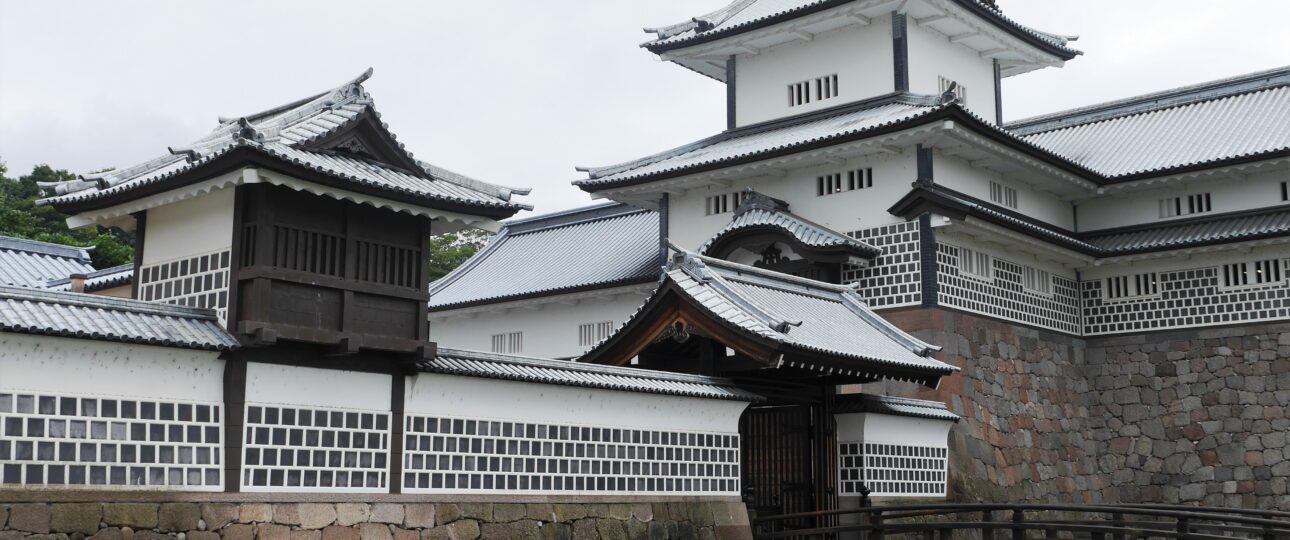
One of the key reasons Ishikawa captured BBC’s attention is its remarkable ability to preserve tradition without turning it into a museum display. The prefecture’s capital, Kanazawa, is often described as “Little Kyoto,” but the comparison only goes so far. While Kyoto impresses with scale, Kanazawa captivates through intimacy and continuity.
Historic districts such as Nagamachi Samurai District and Higashi Chaya District are not reconstructed replicas. They are living neighborhoods where traditional wooden townhouses still stand, and daily life continues much as it has for centuries. Teahouses remain active, local artisans maintain workshops, and seasonal festivals follow rhythms set long before modern tourism.
This sense of authenticity—where culture is lived rather than staged—is increasingly rare, and it aligns closely with BBC Travel’s emphasis on destinations that protect cultural heritage while welcoming visitors respectfully.
Planning a trip to Japan and not sure where to start? We’re happy to help you design a journey that fits your travel style.
Kanazawa: Cultural Depth Without the Crowds
At the heart of Ishikawa’s appeal lies Kanazawa, a city that offers depth without overwhelming its visitors. Unlike larger tourist hubs, Kanazawa allows travelers to explore at a relaxed pace, moving easily between history, art, and everyday local life.
One of the city’s most celebrated landmarks, Kenrokuen Garden, is considered one of Japan’s three great gardens. Yet even here, the experience feels contemplative rather than crowded. Seasonal changes—cherry blossoms in spring, fresh greenery in summer, autumn colors, and snow-covered landscapes in winter—offer entirely different moods throughout the year.
Kanazawa is also home to world-class cultural institutions, including the 21st Century Museum of Contemporary Art, which contrasts beautifully with the city’s historic streets. This seamless blend of old and new reflects Ishikawa’s broader identity: respectful of tradition, yet quietly innovative.
Craftsmanship That Defines a Region
Another defining feature of Ishikawa is its deep connection to traditional craftsmanship. The prefecture is widely regarded as one of Japan’s most important centers for traditional arts, many of which remain actively practiced today.
From Kanazawa gold leaf, used not only in art but also in architecture and cuisine, to Kaga Yuzen silk dyeing, Kutani porcelain, and lacquerware from the Noto Peninsula, these crafts are not preserved behind glass. Visitors can observe artisans at work, visit studios, and even participate in hands-on workshops.
This emphasis on craftsmanship reflects a broader global trend toward experiential travel—travelers want to understand how things are made, who makes them, and why they matter. Ishikawa offers these experiences in an authentic and respectful way, making it especially relevant for modern travelers.
The Noto Peninsula: Nature, Community, and Sustainability
Beyond Kanazawa, Ishikawa’s quieter regions played a significant role in its BBC recognition. The Noto Peninsula, extending into the Sea of Japan, represents a side of Japan that many travelers never see.
Here, dramatic coastlines, terraced rice fields, and small fishing villages define the landscape. Traditional festivals, known as Noto no Matsuri, continue to bring communities together, often involving massive lanterns or dramatic floats carried through narrow village streets.
Noto is also recognized by UNESCO as a Globally Important Agricultural Heritage System (GIAHS), highlighting its sustainable farming and fishing practices passed down over generations. This focus on sustainability—both cultural and environmental—aligns strongly with BBC Travel’s criteria for future-focused destinations.
From itinerary planning to local recommendations, our consultation service helps you travel Japan with ease and confidence.
A Culinary Culture Shaped by the Sea and the Seasons
Food is another area where Ishikawa excels quietly but confidently. Thanks to its location along the Sea of Japan, the prefecture is known for exceptionally fresh seafood, particularly during winter.
Kanazawa’s Omicho Market, often called “Kanazawa’s kitchen,” showcases local ingredients in their most honest form. Unlike markets designed primarily for tourists, Omicho remains deeply integrated into local life. Seasonal fish, regional vegetables, and traditional sweets tell the story of Ishikawa’s climate and geography.
Beyond casual dining, Ishikawa also boasts a refined culinary scene influenced by its samurai past. Kaga cuisine emphasizes subtle flavors, seasonal presentation, and visual harmony—values closely tied to Japanese aesthetics and hospitality.
Why Ishikawa Resonates in 2026
BBC’s selection of Ishikawa reflects a broader shift in how people travel. In 2026, travelers are increasingly seeking destinations that offer:
- Fewer crowds and deeper cultural engagement
- Sustainable tourism that supports local communities
- Experiences rooted in place, history, and seasonality
Ishikawa answers all of these needs naturally. It does not rely on spectacle or trend-driven attractions. Instead, it offers something far more enduring: a sense of place.
Travelers leave Ishikawa not with a checklist completed, but with a deeper understanding of Japan beyond its major cities.
Planning a Visit to Ishikawa
While Ishikawa is easy to reach via shinkansen from Tokyo, the prefecture rewards thoughtful planning. Exploring beyond Kanazawa—into Noto, Kaga Onsen villages, and coastal towns—reveals the full richness of the region.
Whether you are interested in traditional culture, nature-based travel, local cuisine, or simply slowing down and observing everyday Japan, Ishikawa offers flexibility for different travel styles. This makes it especially suitable for customized itineraries, allowing travelers to shape experiences around their personal interests.
Looking for a tailor-made Japan travel experience?
A Destination Worth Discovering Now
Being named one of BBC’s Best Places to Travel in 2026 places Ishikawa firmly on the global travel map—but it remains refreshingly grounded. Its charm lies not in trying to impress, but in quietly being itself.
For travelers looking to experience Japan with depth, balance, and authenticity, Ishikawa is not just a destination to visit—it is a place to truly experience.

Create Your Own Travel Booking With Us
We specialize in crafting unforgettable journeys across Japan. Whether you’re a solo traveler, couple, or family, our expert planners, multilingual guides, and customer care team ensure your adventure is seamless and unique — from first click to final destination.
Create your travel booking website with us — and let your story unfold in Japan.