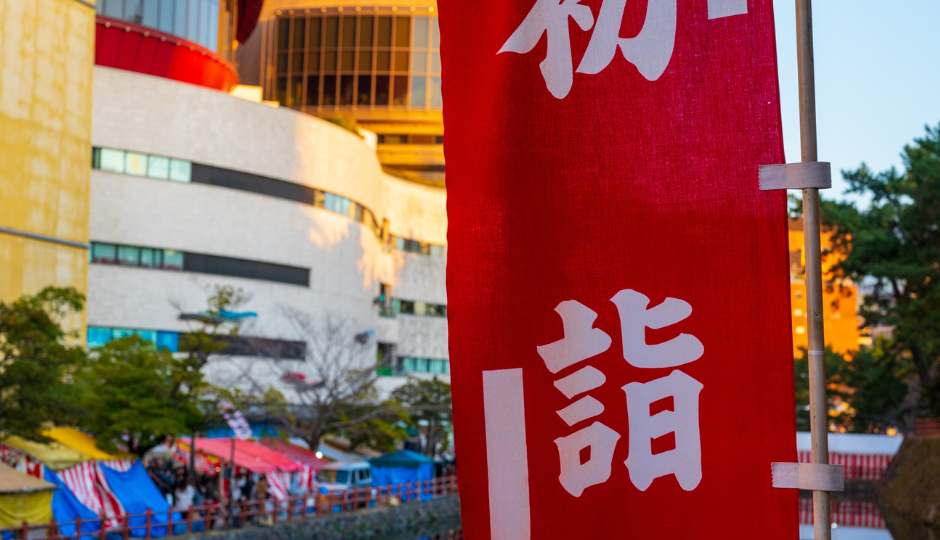
Hatsumode is the first shrine or temple visit of the New Year in Japan. It is not a sightseeing activity, but a quiet ritual that marks the symbolic beginning of the year.
For travelers, understanding hatsumode helps avoid confusion and sets realistic expectations for visiting shrines during this period.
What hatsumode represents
Hatsumode is about reflection, gratitude, and hope for the coming year. People visit shrines or temples to pray for health, safety, and stability rather than excitement or celebration.
When hatsumode takes place
Most people visit between January 1st and January 3rd, although some continue throughout the first week of the year.
What travelers will notice
- Calm but purposeful atmosphere
- Orderly queues
- Quiet conversations
- Minimal tourist behavior
Is hatsumode suitable for visitors?
Yes, as long as visitors are respectful and patient. Observing quietly is often more appropriate than taking photos.
How hatsumode fits into travel plans
Hatsumode works best as a short, meaningful stop rather than a main attraction. Pairing it with a relaxed day keeps the experience enjoyable.
Comfort-focused itineraries often suit this rhythm:
FAQ
Do I need to follow specific rituals?
No. Observing respectfully is sufficient.
Are shrines crowded during hatsumode?
Popular shrines can be busy, but the atmosphere remains orderly.