Subheading: Traditions, meaning, and how families celebrate Girls’ Day in Japan
Every year on March 3, homes across Japan quietly transform.
Delicate dolls appear on tiered platforms, dressed in elaborate court costumes from Japan’s imperial past. Peach blossoms are displayed. Special foods are prepared. And families gather—not for a large public festival, but for something more intimate.
This is Hinamatsuri, often called Girls’ Day or the Doll Festival.
Unlike many Japanese celebrations that take place outdoors with crowds and performances, Hinamatsuri is rooted in the home. It is a celebration of growth, protection, and quiet wishes for the future.
The Meaning Behind Hinamatsuri
Hinamatsuri dates back over a thousand years to the Heian period, when people believed that misfortune and impurities could be transferred into objects—often simple paper dolls—and then carried away by rivers.
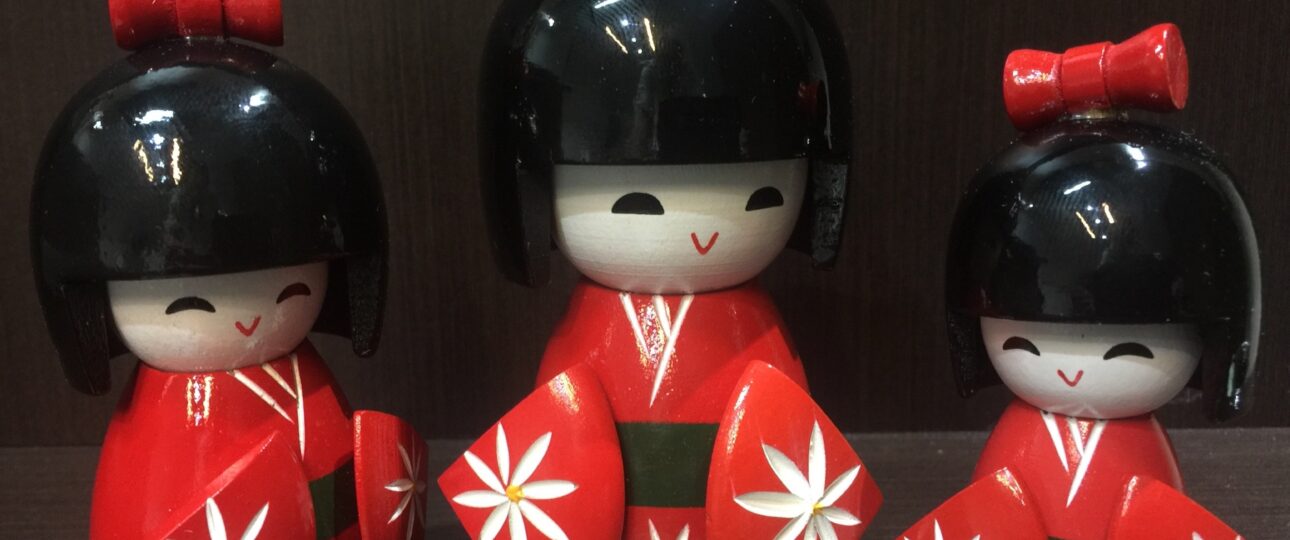
Over time, this practice evolved into the display of ornamental dolls known as hina ningyō.
Today, these dolls no longer float away. Instead, they are carefully arranged and preserved, representing the imperial court and symbolizing protection, health, and happiness for young girls.
The Hina Doll Display
The centerpiece of Hinamatsuri is the hina doll display.
A traditional set is arranged on a red-covered, multi-tiered platform. At the top sit the emperor and empress, dressed in Heian-era attire. Below them are court ladies, musicians, and attendants, each placed in a specific order.
The display is not random—it reflects hierarchy, balance, and tradition.
In many families, these dolls are treasured heirlooms, passed down through generations.
A Celebration at Home
Unlike festivals such as hanami or summer matsuri, Hinamatsuri is primarily celebrated at home.
Families may gather for a meal, display the dolls together, and take time to reflect on their children’s growth.
There is a quiet, almost reflective quality to the day. It is less about excitement and more about appreciation.
If you’d like help planning a smooth and well-organized trip to Japan, our travel consultants are here to assist.
Traditional Foods of Hinamatsuri
Food also plays an important role in the celebration.
Some of the most common dishes include:
- Chirashizushi (scattered sushi with colorful toppings)
- Hishimochi (layered rice cakes in pink, white, and green)
- Hina-arare (small, colorful rice crackers)
- Amazake (a lightly sweet, non-alcoholic rice drink)
Each item carries symbolic meaning, often tied to health, purity, and seasonal change.
The Symbolism of Peach Blossoms
Hinamatsuri is sometimes also called the Peach Festival.
Peach blossoms are believed to ward off evil spirits and represent femininity and grace. Their soft colors also reflect the arrival of early spring.
This seasonal connection makes Hinamatsuri not only a cultural event, but also a quiet celebration of renewal.
When the Dolls Must Be Put Away
There is a well-known belief in Japan that hina dolls should be taken down promptly after March 3.
According to tradition, leaving them displayed too long may delay a daughter’s marriage.
While many families now treat this as a lighthearted superstition, it still reflects the cultural importance placed on timing and ritual.
Experiencing Hinamatsuri as a Traveler
For visitors to Japan, Hinamatsuri may not always be immediately visible.
Because it is largely a private celebration, you won’t find large crowds or major public events everywhere.
However, some places—such as museums, historic towns, and cultural centers—hold special exhibitions featuring hina doll displays.
Walking into one of these spaces offers a rare glimpse into a tradition that is usually kept within the home.
Planning a trip to Japan and not sure where to start? We’re happy to help you design a journey that fits your travel style.
A Festival of Quiet Wishes
Hinamatsuri is not loud or dramatic.
It is a festival of small gestures—carefully arranged dolls, seasonal foods, and quiet moments shared with family.
And perhaps that is what makes it so meaningful.
In a country known for its grand festivals and changing seasons, Hinamatsuri stands apart as something more personal—
a reminder that not all celebrations need to be seen to be felt.

Create Your Own Travel Booking With Us
We specialize in crafting unforgettable journeys across Japan. Whether you’re a solo traveler, couple, or family, our expert planners, multilingual guides, and customer care team ensure your adventure is seamless and unique — from first click to final destination.
Create your travel booking website with us — and let your story unfold in Japan.