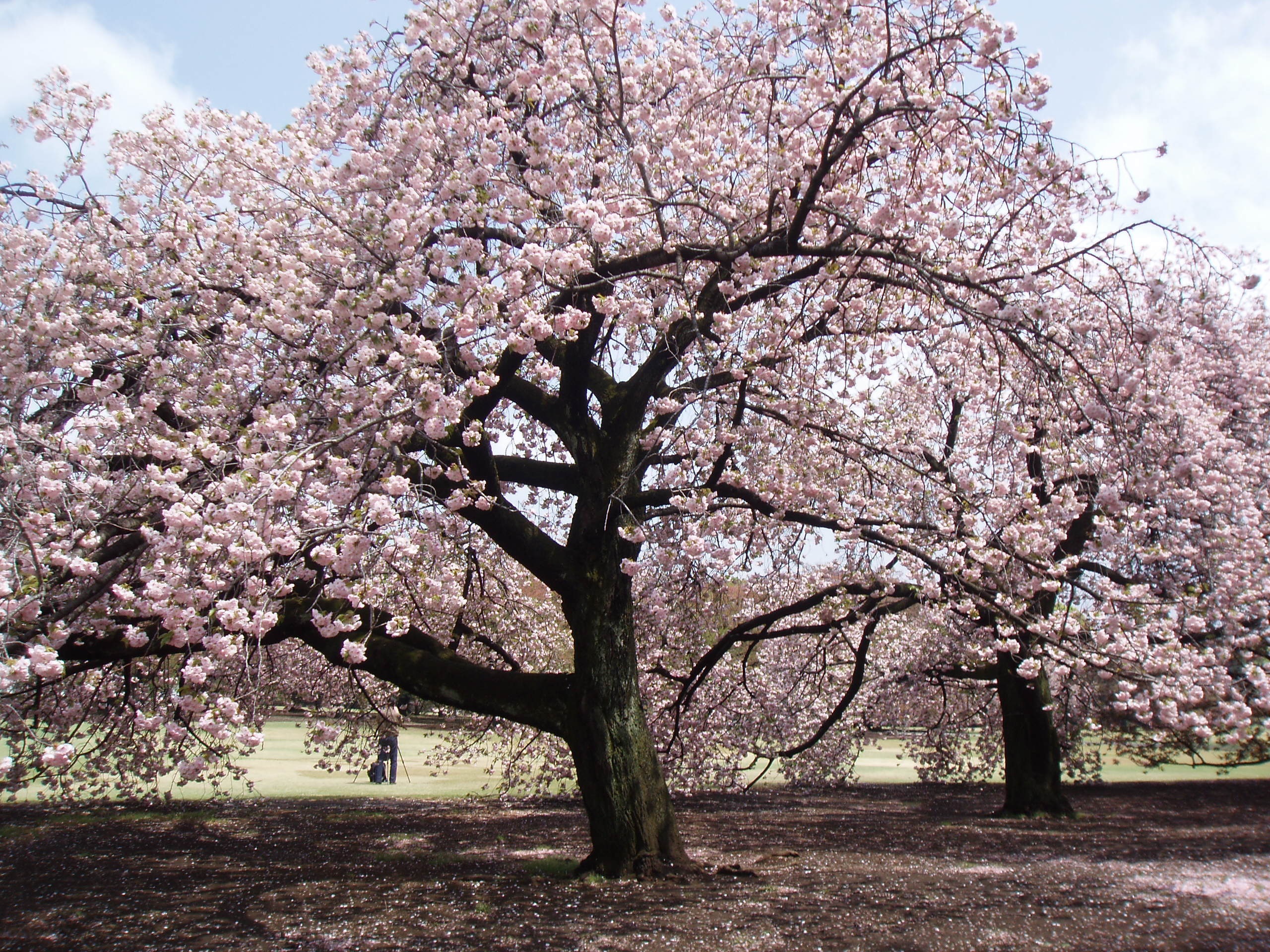
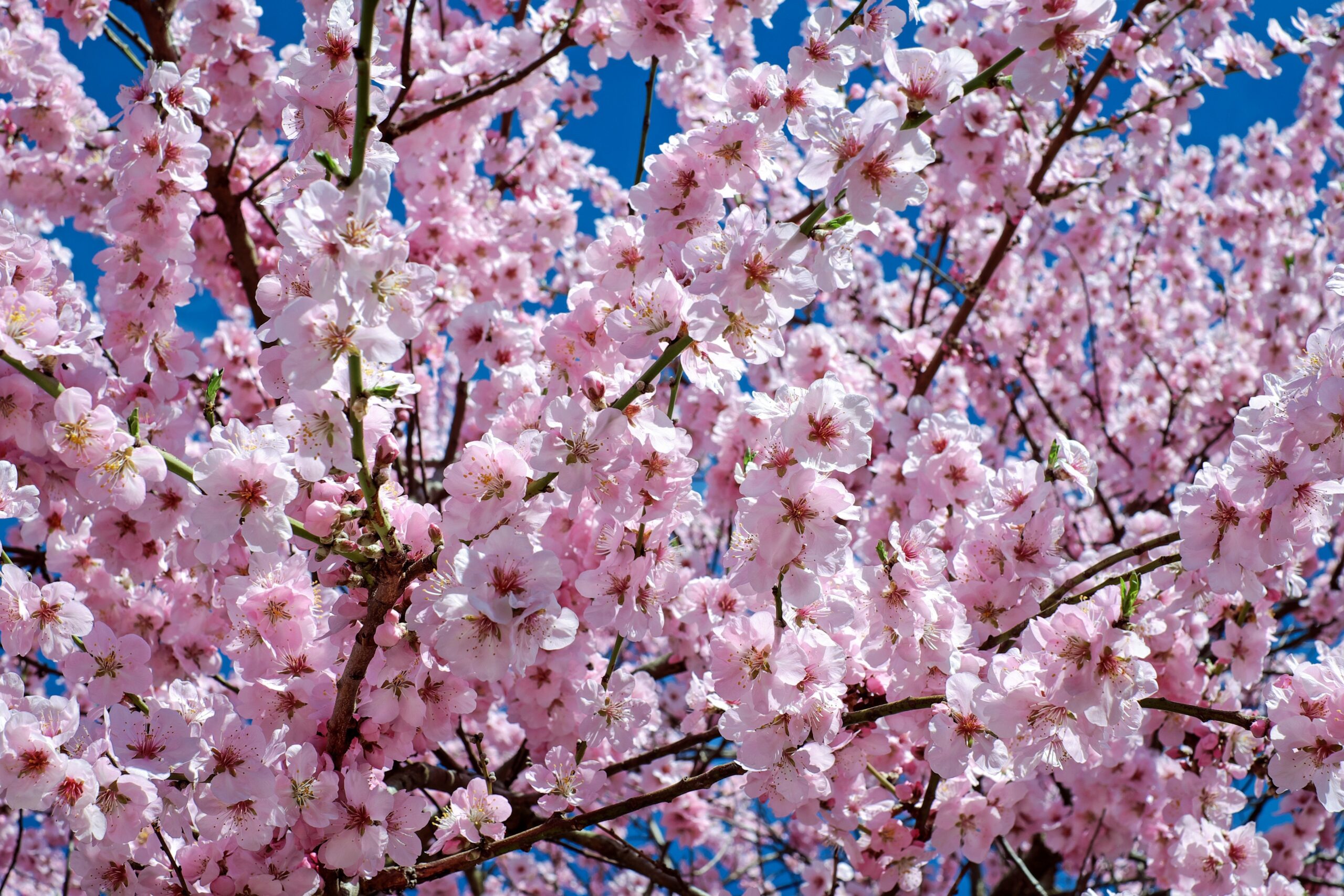
Planning a Japan trip around cherry blossom season in 2026 is exciting, but the number of cities, forecast maps, and “must-see spots” can easily become overwhelming. Instead of trying to chase peak bloom in every region, it is more realistic to choose one main route that roughly follows the natural sakura wave from south to north.
This itinerary guide explains how cherry blossom season usually moves across Japan and suggests practical 2026 routes based on typical timing patterns. The goal is not to guarantee a specific bloom day, but to design a trip that feels beautiful and relaxed even if nature is slightly early or late.
How cherry blossom season usually moves across Japan
Every year is different, but cherry blossoms in Japan generally open in the following order:
- Early regions: Kyushu and western Honshu (Fukuoka, Hiroshima, Okayama)
- Core cities: Tokyo, Yokohama, Nagoya, Kyoto, Osaka, Nara
- Later regions: Tohoku (Sendai, Aomori) and then Hokkaido (Hakodate, Sapporo)
In a typical year:
- Major cities like Tokyo and Kyoto see blossoms around late March to early April.
- Tohoku often blooms in mid to late April.
- Hokkaido usually reaches full bloom from late April into early May.
Because exact dates shift based on weather, it is better to design your 2026 itinerary around a range rather than a single “perfect day”. The routes below follow this idea: you choose whether to aim for the core cities at their usual time, focus on a calmer late-season route, or give yourself more days and flexibility.
If you prefer to start with a higher-level comparison of sakura travel styles, you can also read:
Step 1: choose your 2026 sakura “zone”
Before deciding on every city, ask yourself which zone best matches your schedule for 2026:
- Zone A – Core sakura window: late March to early April, focusing on Tokyo, Kyoto, Osaka, and nearby spots.
- Zone B – Extended Honshu window: early to mid April, adding secondary cities and cultural areas after the main cities.
- Zone C – Late-season window: mid April to early May, following the blossoms north into Tohoku and Hokkaido.
Once you pick a zone, you can build a realistic itinerary instead of trying to be everywhere at once.
Route 1: Classic 7–10 day Tokyo & Kyoto sakura itinerary (Zone A)
This route is ideal if you will be in Japan during the core sakura weeks of 2026 and want to experience famous spots such as Ueno Park, Meguro River, Maruyama Park, and the Philosopher’s Path. The key is to keep the route simple so that crowds and train transfers do not drain your energy.
Suggested outline (7–10 days)
- Day 1–3: Tokyo – Explore classic cherry blossom areas, neighborhoods, and maybe a side trip to a nearby onsen or lakeside area.
- Day 4: Travel via Hakone or another scenic stop – Enjoy views of nature and hot springs on the way to Kansai.
- Day 5–7: Kyoto & Nara – Focus on key sakura temples, riverside paths, and quieter early-morning walks.
- Optional Day 8–10: Osaka or Kobe – Add city lights, food, and additional parks if your schedule allows.
This kind of itinerary works well if you are visiting Japan for the first time and want icons over complexity. For pacing reference, you can look at this sample route:
Example itinerary operated by Jatravi
Prefer a focused first-time route during cherry blossom season?
Route 2: 11–14 day cultural sakura itinerary across Honshu (Zone B)
If you have more time in 2026 and want to combine cherry blossoms with deeper cultural experiences, an 11–14 day itinerary across Honshu offers an excellent balance. Instead of rushing from city to city, you can follow the blossoms through major hubs and then into smaller historical or coastal towns.
Suggested outline (11–14 days)
- Day 1–3: Tokyo – Core sakura spots, neighborhoods, and a mix of modern and traditional areas.
- Day 4–5: Hakone or Kawaguchiko – Onsen, mountains, and lake views that feel especially peaceful in spring.
- Day 6–8: Kyoto – Iconic temples, riverside paths, and evening walks during sakura illumination.
- Day 9–10: Hiroshima & Miyajima or Kanazawa – A quieter, more reflective part of the trip with historical depth.
- Day 11–13: Osaka or another secondary city – Food, city lights, and final shopping before departure.
- Optional Day 14: extra buffer day in Kyoto or Tokyo to keep the itinerary relaxed.
This style of itinerary is ideal for couples, returning visitors, and travelers who prefer a comfortable rhythm with room for spontaneous walks, cafés, and local discoveries. For 2026, it also offers flexibility if forecasts shift slightly, because you have more time for repeat visits to favorite areas.
Example itineraries operated by Jatravi
Want a cultural journey with a sustainable pace during sakura season?
View 14-day senior-friendly tour View 15-day senior-friendly tour
Route 3: Late-season Tohoku & Hokkaido sakura itinerary (Zone C)
If your 2026 travel dates fall later—around mid April to early May—or if you want to avoid the most crowded weeks, consider following the cherry blossoms north into Tohoku and Hokkaido. This approach often feels calmer and more spacious, with scenic coastal towns, castles, and parks that are less intense than peak Tokyo–Kyoto weekends.
Suggested outline (9–12 days)
- Day 1–2: Tokyo – Start with a short stay for arrival, shopping, and any remaining blossoms in parks or riverside areas.
- Day 3–5: Tohoku region – Visit castle towns, riversides, and local parks where blossoms arrive later than central Japan.
- Day 6–9: Hokkaido (Hakodate & Sapporo) – Follow the sakura north to experience late-season blooms in cities with wide streets and open spaces.
- Optional Day 10–12: Extend in Hokkaido or return to Tokyo for a smoother departure.
This route is ideal if you prefer wide open spaces, cooler temperatures, and a slightly slower pace without sacrificing seasonal beauty. It is also a smart choice for travelers whose vacation dates in 2026 do not align with the main Tokyo–Kyoto sakura window.
Example late-season route operated by Jatravi
Considering a calmer, late-bloom sakura trip in Hokkaido?
How to adjust your 2026 itinerary once forecasts are released
Each year, official cherry blossom forecasts are updated several times from winter to spring. For a 2026 trip, it is a good idea to:
- Choose your zone (A, B, or C) and basic route now, based on your vacation dates.
- Book hotels in key cities early—especially Tokyo, Kyoto, and popular onsen towns.
- Use updated forecasts later to adjust the details of your day trips rather than the entire route.
Instead of trying to rewrite your whole itinerary when forecasts shift, use the extra information to decide:
- Which park or river path you will visit on which day.
- Whether to spend an extra morning in one area instead of adding a new city.
- Where to place a flexible “free day” that can move slightly within your plan.
Choosing the right length for your 2026 cherry blossom trip
Cherry blossom season feels busier and more intense than many other months in Japan. Because of this, the same number of days can feel very different depending on your travel style. As a simple guideline for 2026:
- 7 days: best for a focused first trip if you are comfortable with a faster pace.
- 10–12 days: ideal for travelers who want both icons and cultural depth.
- 14+ days: most comfortable for seniors, families, and anyone who wants a slower rhythm.
If you are still deciding how long you should stay, these guides may help:
- 7 vs 11 vs 14 Days in Japan During Cherry Blossom Season
- How to Choose the Right Length for a Japan Trip (7–17 Days)
FAQ: planning a 2026 Japan cherry blossom itinerary
When is the best time to visit Japan for cherry blossoms in 2026?
Cherry blossoms in Japan usually start in late March in major cities like Tokyo and Kyoto, then move north into Tohoku and Hokkaido through April and early May. For 2026, it is safest to plan around a range of dates and choose one main zone rather than chasing a single peak day.
Is 7 days enough for a Japan cherry blossom trip?
Seven days can work for a focused cherry blossom trip if you keep the route simple, such as Tokyo and Kyoto only, and accept a faster pace. If you want a more relaxed rhythm with cultural depth, 10 to 14 days is usually more comfortable.
What is a good Japan cherry blossom itinerary for 10–14 days?
A balanced 10–14 day cherry blossom itinerary typically visits Tokyo, an onsen or mountain area such as Hakone, then Kyoto and another cultural region like Hiroshima, Miyajima or Kanazawa, with an extra buffer day to keep the schedule relaxed.
Is Hokkaido a good option for late cherry blossoms?
Yes. Hokkaido usually reaches full bloom later than central Japan, from late April into early May. It is a good option in years when your vacation dates do not match the Tokyo–Kyoto peak or if you prefer fewer crowds and wider open spaces.
Final thoughts on designing your 2026 cherry blossom itinerary
The most successful sakura trips are not the ones that chase every forecast update—they are the ones that balance seasonal beauty with a route that feels realistic for your energy and travel style.
For 2026, start by choosing your sakura zone, then pick the route that matches your pace: a focused 7–10 day classic itinerary, an 11–14 day cultural journey across Honshu, or a calmer late-season route through Tohoku and Hokkaido. Once that structure is in place, you can refine hotel choices, day trips, and onsen stays to create a spring itinerary that feels like it was designed for you, not for an algorithm.
Need help matching these routes to your exact 2026 dates?
Tell us your preferred travel window, pace, and interests, and we will suggest a customised cherry blossom itinerary based on the routes above.