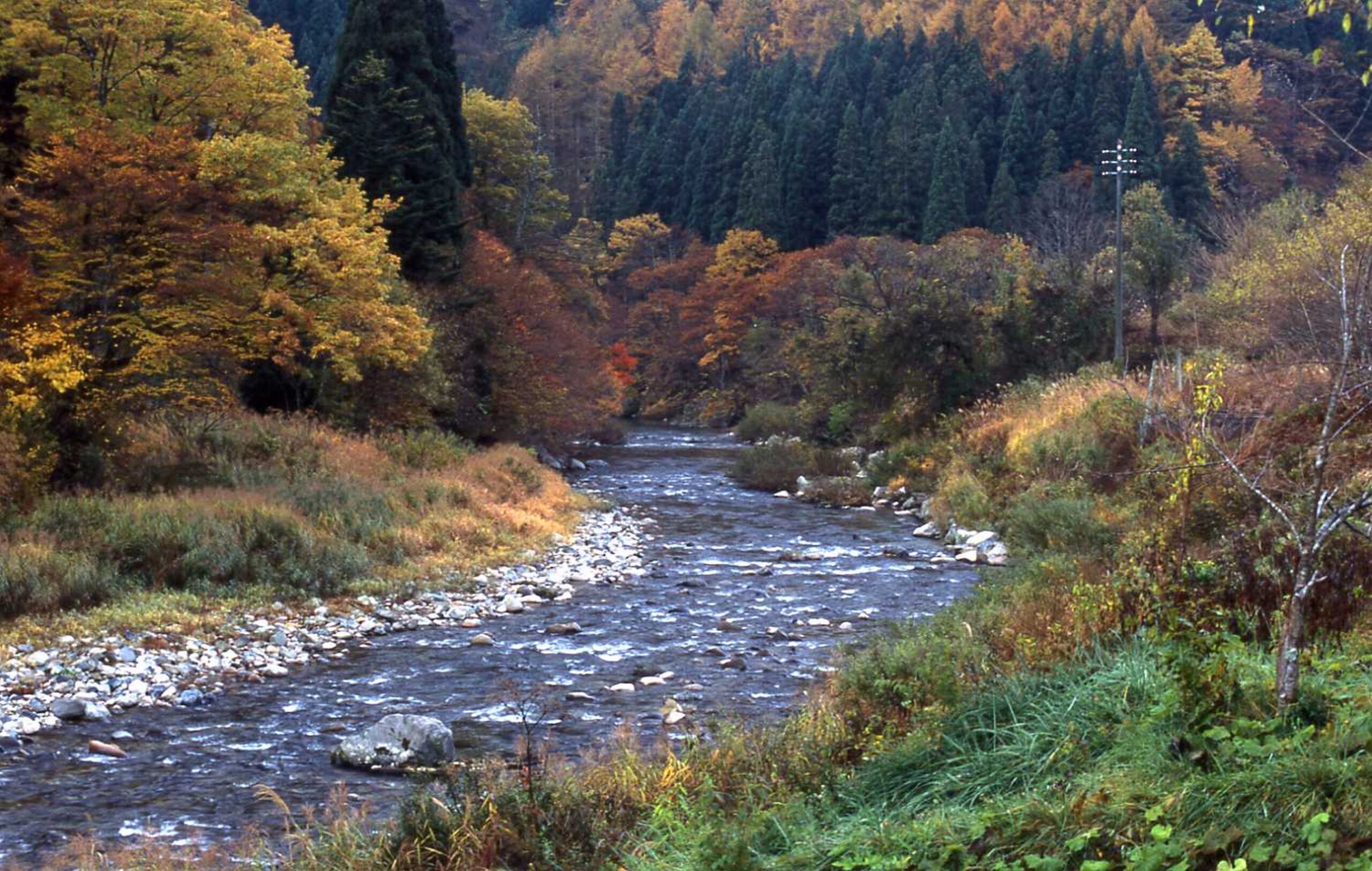
Japan’s autumn leaves do not peak everywhere at the same time. Colours begin in northern and high-altitude areas before moving through Tohoku, the mountains, Tokyo, Kyoto and western Japan. This guide combines the first 2026 forecast with practical destination and route advice.
Japan Meteorological Corporation released its first 2026 autumn foliage forecast on September 2. Autumn temperatures are expected to remain warmer than average in many areas, so red and yellow leaves are generally forecast to reach their best colour around the usual time or later than usual.
The current city forecast places red maple viewing around November 29 in Tokyo, December 4 in Osaka and December 11 in Kyoto.
These dates refer to representative trees in each city. They are not guaranteed peak dates for every garden, temple or mountain destination. Higher elevations can change several weeks before nearby city centres.
View the September 2, 2026 forecast from Japan Meteorological CorporationJapan Autumn Leaves Timing by Region
Autumn colours generally progress from colder locations to warmer ones and from higher elevations to lower ground. A mountain near Tokyo may change several weeks before a garden in central Tokyo.
| Region | Usual planning window | Example destinations | Planning note |
|---|---|---|---|
| Hokkaido highlands | Mid-September–early October | Daisetsuzan, Asahidake, Ginsendai | High mountain areas change before nearby cities |
| Hokkaido lower areas | Early–late October | Sounkyo, Jozankei, Noboribetsu | Timing varies substantially by elevation |
| Tohoku | Early October–early November | Hakkoda, Oirase Gorge, Lake Towada | Northern mountains change before cities and valleys |
| Japanese Alps and Nikko | Mid-October–mid-November | Kamikochi, Nikko, Nagano | Some mountain transport finishes before winter |
| Mt. Fuji area | Late October–mid-November | Lake Kawaguchiko and northern Fuji area | Foliage and clear Mt. Fuji views are separate variables |
| Tokyo | Mid-November–early December | Rikugien, Meiji Jingu Gaien, Mt. Takao | Mt. Takao generally changes before central gardens |
| Kyoto, Osaka and Nara | Mid-November–early December | Kyoto temples, Arashiyama, Nara Park | Some 2026 city colours may continue into December |
| Western Japan and Kyushu | Mid-November–early December | Miyajima, Takachiho and mountain onsen areas | Warm coastal areas can change later |
2026 Japan Autumn Leaves Forecast by City
The following dates come from the first 2026 forecast published on September 2. “Red maple” and “yellow ginkgo” dates refer to representative observation trees rather than every attraction in the city.
| City | Red maple forecast | Yellow ginkgo forecast | Compared with average |
|---|---|---|---|
| Sapporo | November 7 | November 6 | Red maple later than average |
| Aomori | November 13 | November 6 | Around average |
| Sendai | November 25 | November 29 | Around average |
| Tokyo | November 29 | November 26 | Around average |
| Kanazawa | November 30 | November 10 | Around average |
| Nagano | November 21 | November 14 | Red maple later than average |
| Kyoto | December 11 | November 27 | Around average |
| Osaka | December 4 | November 24 | Around average |
| Hiroshima | November 28 | November 20 | Around average |
| Fukuoka | December 7 | November 27 | Ginkgo later than average |
Japan Meteorological Corporation plans another forecast update in early October. Check the current forecast again if your itinerary depends on a narrow viewing window.
10 Best Places to See Autumn Leaves in Japan
1. Daisetsuzan National Park, Hokkaido
Daisetsuzan is one of the strongest choices for travelers arriving before the main Honshu foliage season. High areas around Asahidake and Ginsendai are among Japan’s earliest places to change colour.
This is a mountain destination rather than a simple city park. Prepare for cold conditions, rapidly changing weather and seasonal transport arrangements.
2. Sounkyo, Hokkaido
Sounkyo combines mountain scenery, waterfalls, ropeway access and an onsen-town stay. It works particularly well for travelers who want to experience northern autumn at a slower pace.
An overnight stay is generally more practical than trying to fit the valley into a rushed day trip.
3. Oirase Gorge and Lake Towada
Oirase Gorge combines a forested stream with waterfalls, moss and changing leaves. Pairing the gorge with Lake Towada creates a more complete Tohoku autumn journey.
Accommodation and transport should be planned in advance. Road congestion can affect popular foliage weekends.
4. Nikko, Tochigi
Nikko is convenient for travelers based in Tokyo. Its different elevations create a longer sequence of colour, with Oku-Nikko and Lake Chuzenji usually changing before the lower shrine district.
Avoid trying to cover every elevation in one short peak-season day. Traffic between the station, shrine area and lake can make an overloaded itinerary unrealistic.
5. Lake Kawaguchiko, Mt. Fuji
Lake Kawaguchiko combines autumn leaves with the possibility of Mt. Fuji views. Its lakeside and maple-lined areas fit naturally into a Tokyo-to-Kyoto route.
Foliage does not guarantee clear mountain views. Staying overnight gives you another opportunity if clouds obscure Mt. Fuji during the afternoon.
6. Kanazawa and Kenrokuen
Kanazawa offers traditional gardens, historic districts, regional food and autumn scenery without requiring the entire trip to revolve around Kyoto.
It can be included in a route connecting Tokyo, the Hokuriku region and Kyoto.
7. Tokyo Gardens and Ginkgo Avenues
Tokyo offers red maples at gardens such as Rikugien and Koishikawa Korakuen, yellow ginkgo at Meiji Jingu Gaien and more spacious seasonal scenery at Shinjuku Gyoen.
Mt. Takao usually changes before central Tokyo. Use weekday mornings for the most popular gardens and avenues whenever possible.
8. Kyoto Temples and Gardens
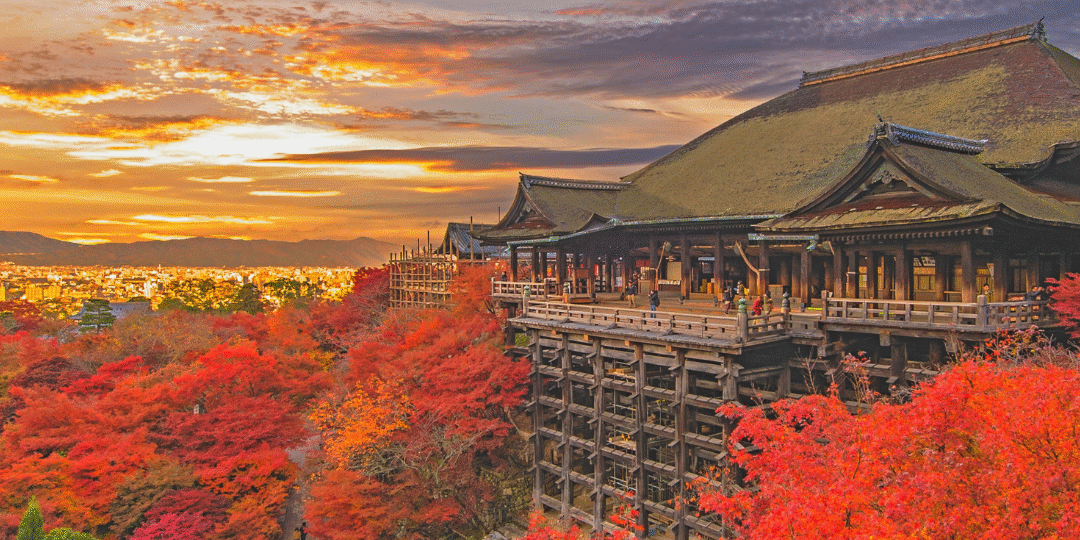
Kyoto is the classic choice for red maples around temples, gardens and historic districts. Popular options include Tofukuji, Eikando, Nanzenji, Kiyomizudera, Arashiyama and Takao.
The city does not peak everywhere at once. Northern and higher areas may change before central and southern Kyoto, allowing the daily route to be adjusted.
9. Nara
Nara combines autumn trees with temples, parkland and historic landscapes. Nara Park, Yoshikien, Isuien and temple approaches provide different combinations of maples, ginkgo and traditional architecture.
Nara works as a Kyoto or Osaka day trip, although an overnight stay provides quieter early-morning access.
10. Miyajima, Hiroshima
Miyajima combines coastal scenery, shrine architecture and autumn leaves. Momijidani Park is the best-known foliage area, while the route toward Mt. Misen offers a more natural setting.
Staying overnight allows you to experience the island before and after the main flow of daytime visitors.
Suggested Japan Autumn Routes by Travel Date
Travelers who want a private, conversion-focused route can compare Jatravi’s Japan autumn tours and custom fall foliage trips .
How to Avoid Japan’s Autumn Foliage Crowds
- Visit famous gardens and temples close to opening time.
- Use weekdays for Kyoto, Nikko and Mt. Takao whenever possible.
- Stay overnight instead of making every destination a day trip.
- Choose one major foliage attraction per morning.
- Visit secondary gardens while tour groups concentrate at headline sites.
- Check live colour reports before making a long detour.
- Use trains or buses where seasonal road congestion is severe.
- Avoid scheduling several distant Kyoto temples in one afternoon.
Practical Planning Advice for Autumn 2026
Do not plan around one exact peak date
Autumn colour develops gradually. Different tree species, elevations and parts of the same city may reach their best colour on different days. A multi-location route is safer than building the trip around one garden on one morning.
Book accommodation before the final forecast
Waiting for a precise forecast may mean losing suitable hotels in Kyoto, Lake Kawaguchiko, Nikko and popular onsen destinations. Reserve a sensible regional window first, then adjust individual day trips closer to travel.
Pack for changing temperatures
Autumn afternoons may be mild, while mornings, evenings and mountain areas can be cold. Bring layers, a weather-resistant outer layer and shoes suitable for wet leaves, slopes and uneven temple paths.
Check seasonal transportation
Mountain roads, ropeways, buses and hiking areas may operate seasonally. Confirm the official timetable and final return service before visiting rural locations without a private vehicle.
Keep an alternative destination
If colour develops earlier or later than expected, switching elevation or region can be more effective than visiting the originally planned location regardless of current conditions.
For broader weather, crowd and seasonal comparisons, read Jatravi’s month-by-month guide to the best time to visit Japan .
Choose the Right Autumn Planning Page
Tell us your travel dates, group, preferred pace and seasonal priorities. Jatravi can prepare an initial personalized itinerary proposal with autumn destinations suited to your likely travel window. There is no charge for submitting an enquiry or receiving the initial proposal.
Request a Free Autumn Trip ProposalFrequently Asked Questions
What does the 2026 Japan autumn leaves forecast predict?
The first forecast, released on September 2, predicts that many areas will peak around the usual time or later. Tokyo’s representative red maple date is forecast around November 29, Osaka around December 4 and Kyoto around December 11.
When is the best time to see autumn leaves in Japan?
The season generally runs from September in high-altitude Hokkaido to early December in Tokyo, Kyoto and western Japan. The best period depends on the region and elevation.
When will autumn leaves peak in Tokyo in 2026?
The first 2026 forecast places Tokyo’s representative red maple date around November 29 and its yellow ginkgo date around November 26. Individual gardens and Mt. Takao may peak at different times.
When will autumn leaves peak in Kyoto in 2026?
The first forecast places Kyoto’s representative red maple date around December 11 and its yellow ginkgo date around November 27. Higher and northern parts of Kyoto may change earlier.
Where can I see early autumn leaves in Japan?
For September and early October, consider high-elevation destinations in Hokkaido such as Daisetsuzan and Asahidake. Tohoku and mountain destinations become better options during October.
Is November a good month for autumn leaves in Japan?
Yes. November is useful for combining mountain destinations, Tokyo, Mt. Fuji, Kanazawa and Kyoto, although the best region depends on whether you travel in early or late November.
Can the autumn foliage forecast change?
Yes. Temperature, elevation, tree variety and local weather can move the timing. Check an updated forecast and local colour reports shortly before travel.
Forecast information was checked against the first 2026 autumn foliage forecast published by Japan Meteorological Corporation on September 2, 2026. Forecast dates may change, and individual attractions can peak earlier or later than representative city trees.