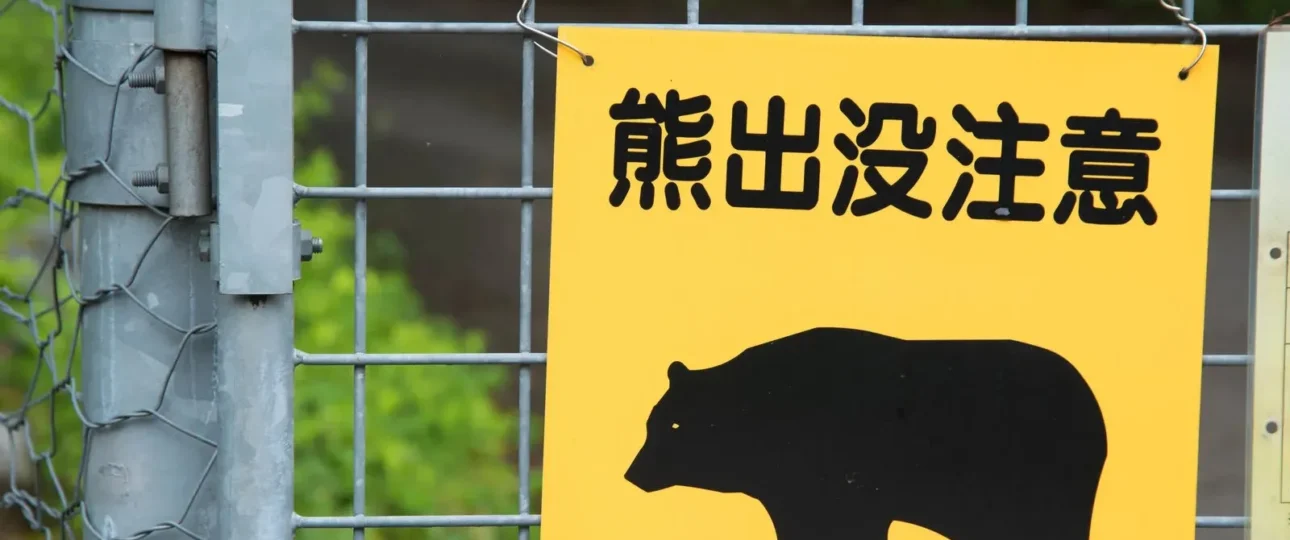
Japan is still safe for most visitors, but travelers entering mountain, forest and rural areas should check current local bear alerts and adjust hiking plans when necessary.
Latest Japan Bear Warning Information
Japan’s national tourism information service listed an English Japan Tourism Agency Bear Warning in September 2026. This is a useful reminder for international visitors, but it is not a single nationwide closure notice.
Bear conditions are managed locally. Prefectures and municipalities may publish sighting maps, advisories, warnings, trail restrictions or temporary closures. The status can therefore be different in Hokkaido, Tohoku, Nagano, Gifu and other mountain destinations on the same day.
As one current example, Miyagi Prefecture updated its bear-alert page on October 14, 2026. It advised travelers and residents to review its sighting map, avoid activity around dawn and dusk, travel in groups, make sound and avoid leaving food waste accessible.
Which Travelers Need Extra Care?
Autumn requires particular attention because many travelers enter forested areas for foliage viewing while bears may be actively searching for food before winter. Spring can also require caution after bears emerge from hibernation.
Where Are Bears Found in Japan?
| Area | Bear type | What this means for travelers |
|---|---|---|
| Hokkaido | Brown bears | Check local alerts before hiking, camping or entering remote areas. Follow trail and park instructions strictly. |
| Honshu | Asian black bears | Relevant in many mountain regions, including parts of Tohoku, Chubu, Hokuriku, Kansai and Chugoku. |
| Shikoku | Small, limited black-bear population | Local information remains important in relevant mountain habitat even though the population is limited. |
| Major urban centers | Not typical bear habitat | Ordinary central-city sightseeing normally continues. Check alerts only when heading into outlying mountain districts. |
Do not use a prefecture-wide headline as the only basis for a decision. A sighting near a remote trail does not automatically affect a city hotel many kilometers away. Conversely, a quiet trail outside a famous city may still require checking.
What to Do Before Entering a Bear Area
- Check the prefecture, municipality, national park or trail operator’s latest official alert.
- Ask your accommodation or local tourism office whether recent sightings affect your exact route.
- Respect all closures and do not pass warning barriers.
- Avoid walking alone around dawn or dusk where local authorities advise against it.
- Travel in a group and make your presence known in areas with poor visibility.
- Keep food and rubbish secured. Never intentionally feed wildlife.
- Avoid headphones that prevent you from hearing activity or warnings around you.
- Choose a busier alternative route if a recent sighting has occurred near the original trail.
What Should You Do If You See a Bear?
The correct response may depend on the bear species, its behavior and the distance involved. Use instructions issued for the destination you are visiting. The Ministry of the Environment’s bear-response resources provide official background and encounter guidance.
Should You Change Your Japan Itinerary?
A complete cancellation is rarely the first response. Use the following decision process:
| Situation | Recommended response |
|---|---|
| City itinerary with no mountain excursion | Continue normally and monitor ordinary travel advisories. |
| Bear advisory elsewhere in the same prefecture | Check the exact location before changing plans. |
| Recent sighting close to your trail or accommodation | Contact the operator or tourism office and prepare an alternative. |
| Official trail closure or entry restriction | Do not enter. Replace the activity with a safer route or indoor experience. |
| Remote solo hike without current local information | Delay the hike or choose a managed, busier route with reliable access to current advice. |
For autumn travel, compare current viewing conditions with our Japan autumn leaves guide . During winter, visitors staying near mountain resorts can also review the Japan ski resort opening-date guide .
Tell Jatravi your travel dates, destinations, group size and planned outdoor activities. We can review the overall route and suggest practical alternatives that fit your interests. This is a planning enquiry—not an instant tour purchase.
Request Your Free Itinerary ConsultationFrequently Asked Questions
Is Japan safe to visit during a bear warning?
Yes, most city-based travel remains unaffected. Bear warnings are most relevant to specific mountain, forest and rural areas. Check the exact destination rather than cancelling an entire Japan trip.
Are there bears in Tokyo and Kyoto?
Bears are not a normal concern in the busy central districts of Tokyo or Kyoto. However, outlying mountain areas within or near these prefectures may have wildlife habitat and should be checked separately.
When are bears most active in Japan?
Conditions vary, but spring after hibernation and autumn before winter can require additional attention. Local authorities may also recommend avoiding dawn and dusk in affected areas.
Should I carry a bear bell in Japan?
Making sound may reduce the risk of surprising a bear, but a bell does not guarantee safety. Current alerts, official closures, route choice and local advice remain more important.
What should I do if I encounter a bear?
Stay calm, do not run or approach it, avoid sudden movements and back away slowly while giving it an escape route. Follow the specific official guidance for the region and report the sighting once safe.
Should a bear sighting make me cancel my hike?
A recent sighting near the exact trail requires serious attention. Contact local authorities or the trail operator and use an alternative if the trail is closed or local advice recommends avoiding it.
Bear sightings, warnings and trail access can change quickly. This article is general travel-planning information and does not replace instructions from police, park staff, prefectural authorities or other emergency services. Check official local information immediately before entering a mountain or rural area.