
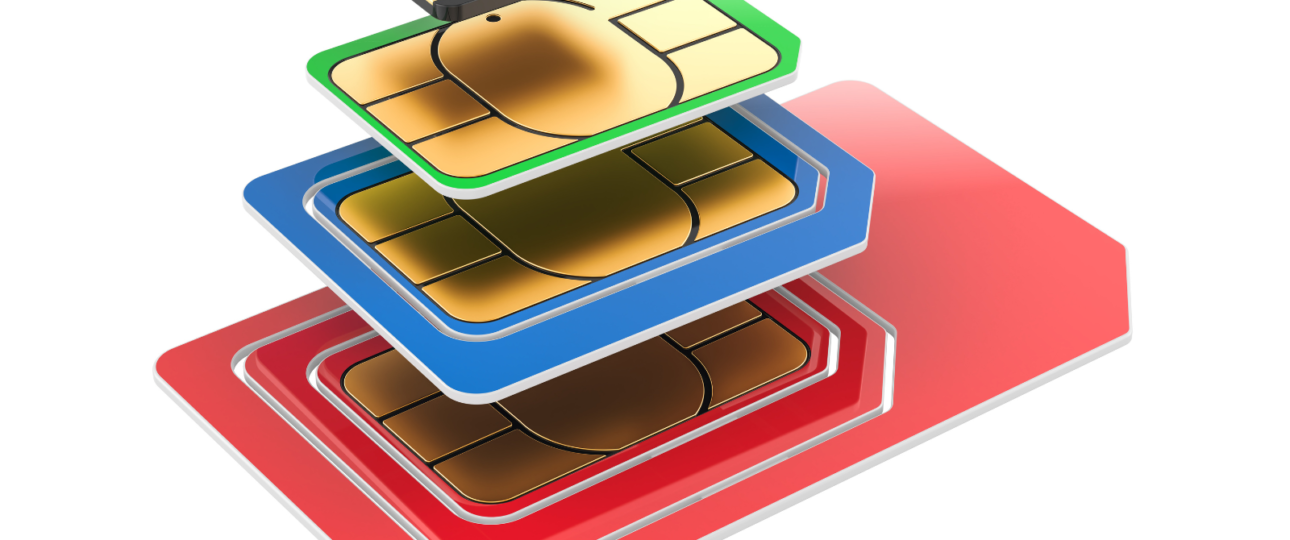
Trying to decide between eSIM and Pocket WiFi in Japan? Both options work well, but the best choice depends on how you travel.
This guide gives you a simple overview to help you understand the difference and choose the right option for your trip.
eSIM vs Pocket WiFi: Quick Overview
- eSIM: Best for convenience and solo travelers
- Pocket WiFi: Best for groups and multiple devices
Both options provide reliable internet in Japan, but they offer very different travel experiences.
Key Differences That Matter
Convenience
eSIM is easier to set up because you do not need to pick up or return any device.
Flexibility
Pocket WiFi allows multiple devices to connect at the same time, which is useful for groups.
Setup
eSIM can be activated instantly using a QR code, while Pocket WiFi requires pickup and return.
Which One Should You Choose?
- 👉 Traveling alone → eSIM
- 👉 Traveling with others → Pocket WiFi
- 👉 Want the simplest setup → eSIM
- 👉 Need multiple connections → Pocket WiFi
Read the Full Comparison Guide
If you want a more detailed comparison including cost, speed, and real travel scenarios, check our complete guide:
👉 eSIM vs Pocket WiFi Japan: Complete Guide
Looking for the Best eSIM for Japan?
If you are leaning toward eSIM, here are our recommended options:
👉 Best eSIM for Japan: Recommended Plans
Final Thoughts
There is no single answer for every traveler. The best option depends on your travel style, number of devices, and how much convenience you want.
For most solo travelers, eSIM is the easiest choice. For families and groups, Pocket WiFi can still be a better fit.



[…] Still deciding between eSIM and pocket WiFi? Try this detailed guide: eSIM vs Pocket WiFi in Japan. […]